


Antique Fireside Furniture
Antique fireside furniture gathers the heavy timber seats and polished metal accessories that made hearths habitable across centuries.
Antique Fireside Furniture
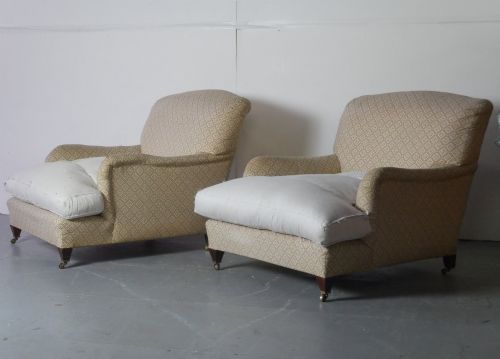
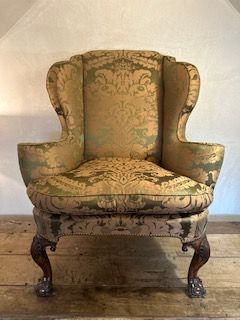
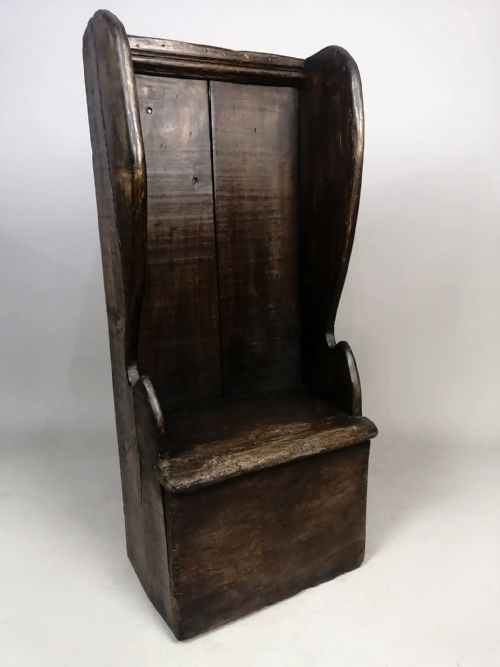
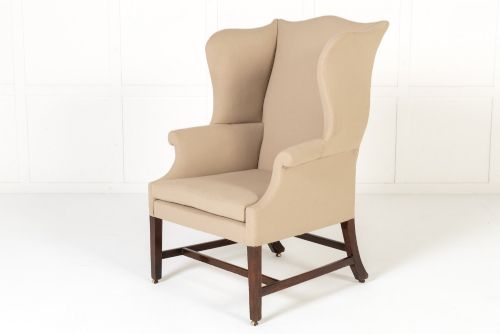
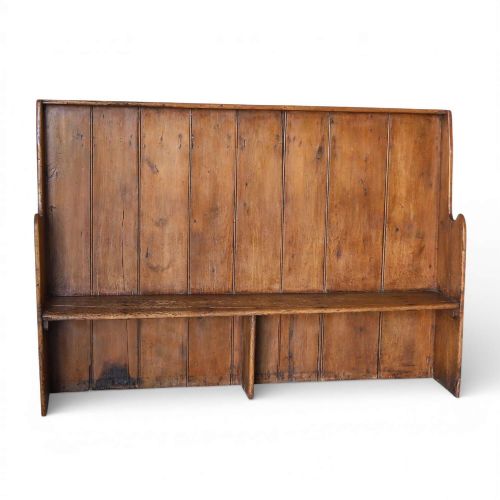
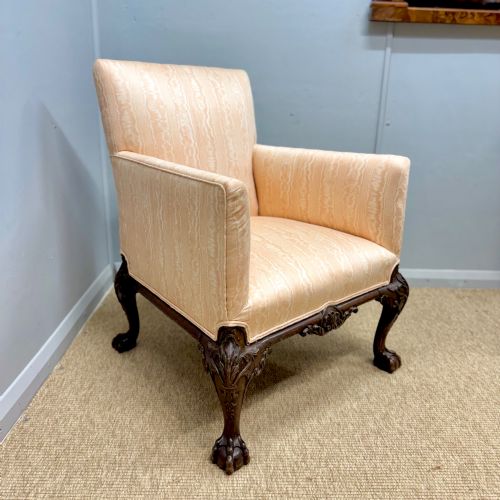
Antique fireside furniture encompasses the robust seating and heavy accessory pieces designed to sit beside domestic hearths, drawing primarily from eighteenth and nineteenth-century British country house and vernacular traditions. These items range from high-backed settle benches and deep-seated wing armchairs to specialised lambing chairs intended to block draughts.
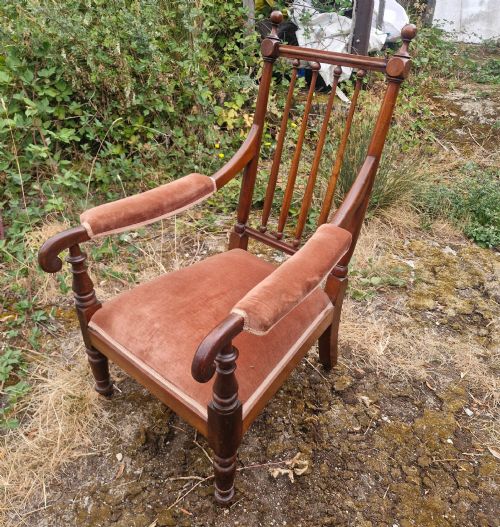
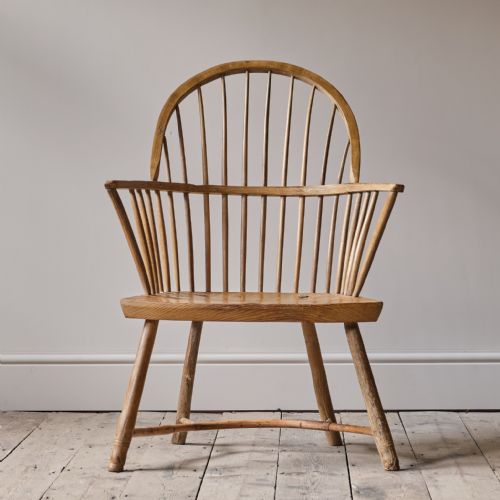
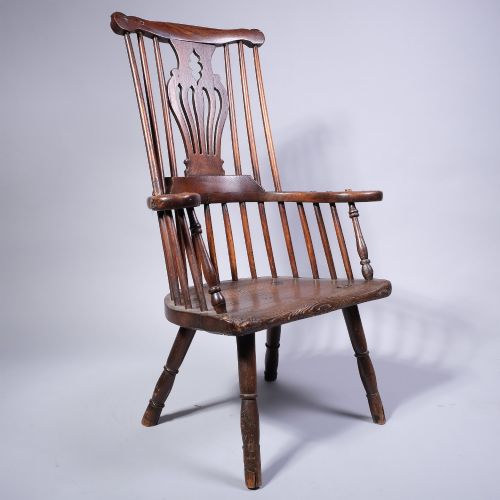
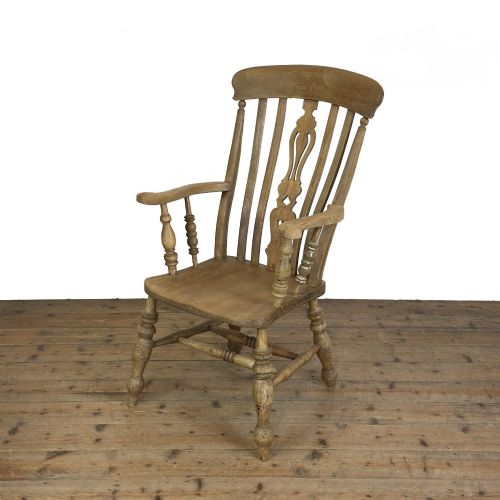
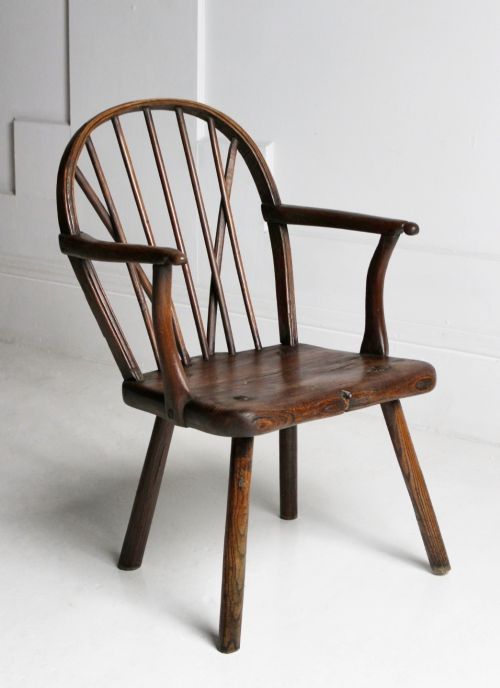
The most common iterations encountered here are sturdy Windsor and stick-back armchairs built from mixed native timbers alongside large oak settles and brass coal containers. Vernacular pieces from the Georgian and Victorian eras dominate the selection, showing functional adaptations for warmth and comfort.
Materials and Construction
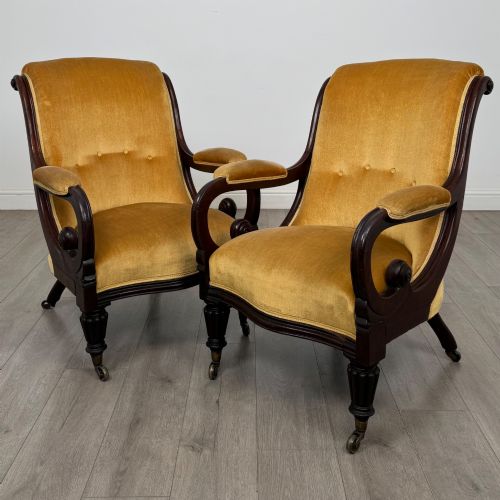
Makers relied on durable native hardwoods such as oak, elm, ash, and mahogany, frequently combining multiple timbers within a single Windsor or stick-back chair to serve different structural demands. Turning lathes shaped spindles and legs, while heavy plank construction formed the solid bodies of settles and coal boxes.
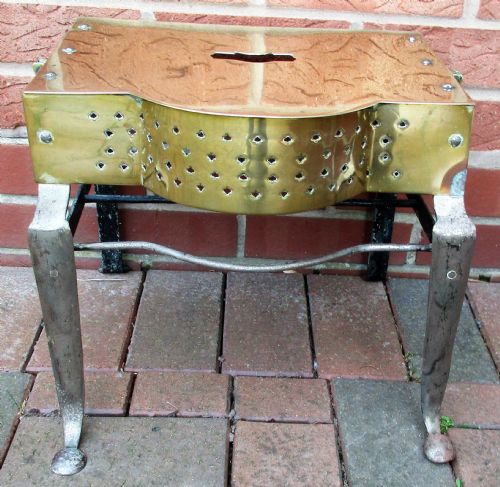
Metal accessories combined hand-beaten copper panels, cast brass, and steel, utilising riveting and dovetailing to withstand intense hearth heat. Wood surfaces typically received wax finishes that built up deep patinas over generations of use.
Listings feature eighteenth and nineteenth-century oak, elm, and mahogany seating alongside solid brass coal containers.
Judging Quality
Quality rests in the integrity of the timber selection and the retention of original surfaces rather than pristine condition. Pieces that retain their honest, unbleached patinas and early vernacular repairs demonstrate a superior historical honesty.
Structural refinement dictates the upper tier of the range, visible in the balance of a comb-back Windsor or the precise turning of spindle legs. Lesser examples suffer from unsympathetic timber replacement or heavy sanding that strips away surface character.
Whytock & Reid·Harrods·Wheeler Of Arncroach
The Antique Fireside Furniture Glossary
- Lambing chair
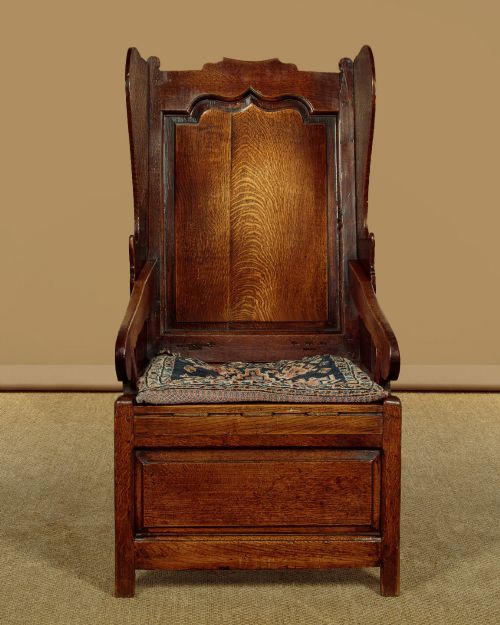
- An enclosed wooden armchair featuring high wings and a solid base designed to shield the sitter from floor draughts near an open hearth.
- Settle
- A high-backed wooden bench with solid arms and a closed base that prevented cold air from circulating beneath the seat.
- Windsor chair
- A wooden chair constructed with a solid shaped seat into which the legs, back spindles, and bow are independently fitted.
- Footman
- A metal stand placed before the fire to keep plates warm.
- Patina
- The surface sheen and colour developed by wood and metal over decades of handling and polishing.
Antique Fireside Furniture: Frequently Asked Questions
What is a lambing chair?
A lambing chair is a specialised wooden seat with high wings and solid sides designed to keep the occupant warm by blocking cold draughts near the hearth.
These chairs often feature storage compartments beneath the seat and were historically used by shepherds or invalids requiring extra shelter.
How do I spot an old settle?
An older settle shows construction methods like pegged mortise and tenon joints, hand-planed panels, and timber shrinkage that aligns with age.
Inspect the base and feet for wear patterns consistent with decades of movement on stone or wooden floors.
Were coal boxes used daily?
Coal boxes and scuttles were utilitarian hearth containers designed to store and transport fuel to the fire.
Finer examples in brass, copper, and inlaid rosewood sat in Victorian reception rooms, combining daily utility with decorative display.
What timbers were used most?
Makers utilised native hardwoods like oak, elm, ash, and mahogany, frequently mixing timbers within a single piece of furniture.
Elm provided strong, split-resistant seats for Windsor chairs while ash supplied flexible wood for bent spindles.