


Antique Fine Art Print
An antique fine art print brings historical depth and graphic elegance to a room, offering original visual narratives from past centuries.
Antique Fine Art Print
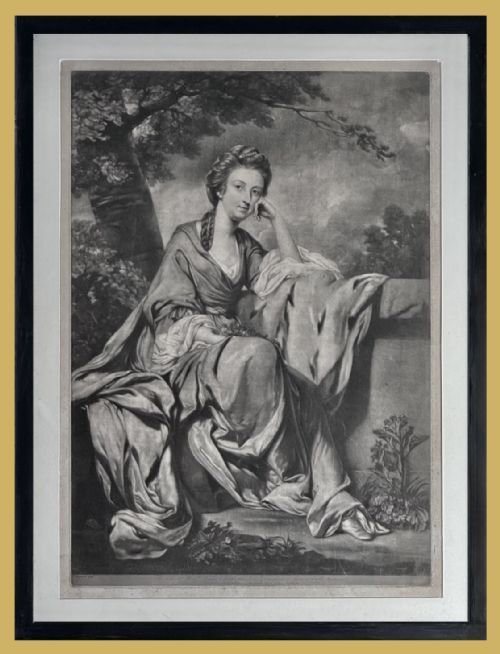
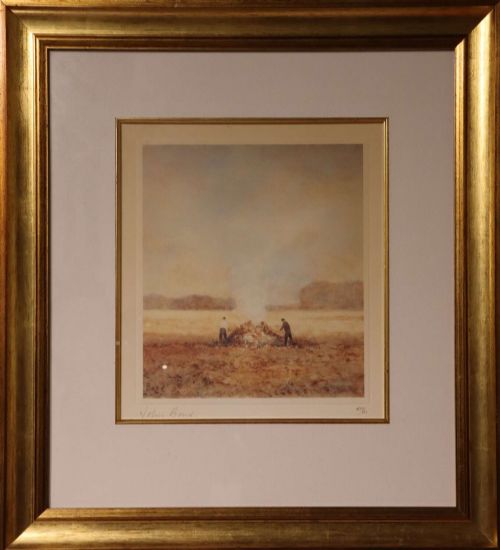
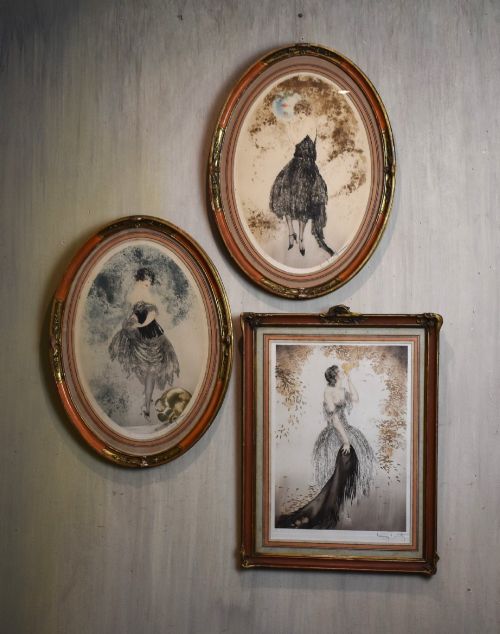
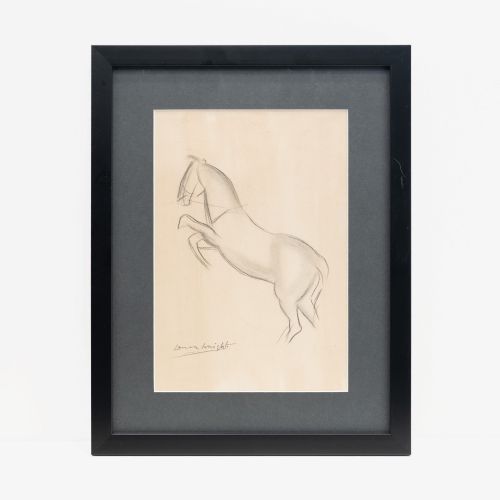
When searching for an antique fine art print, collectors encounter a diverse selection of printed works, engravings, etchings, and mezzotints alongside original paintings.
The pieces on this page span several centuries, reaching from the eighteenth century through the Victorian and Edwardian eras into the early twentieth century.
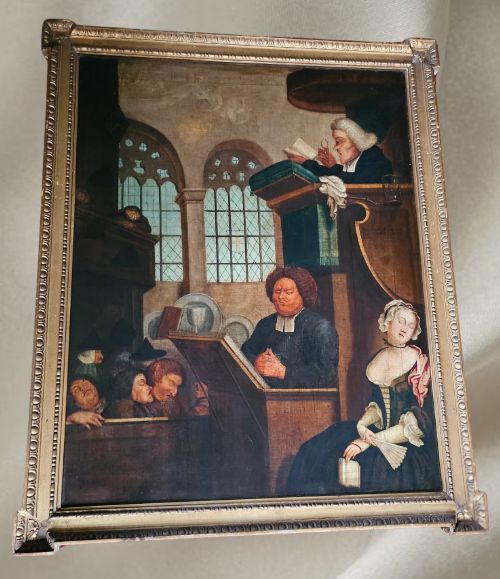
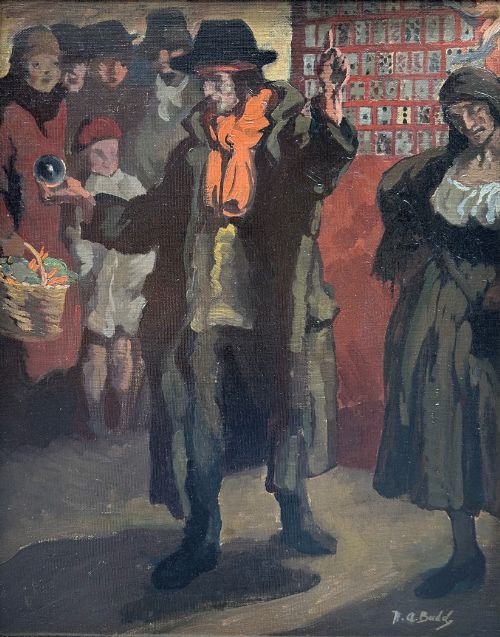
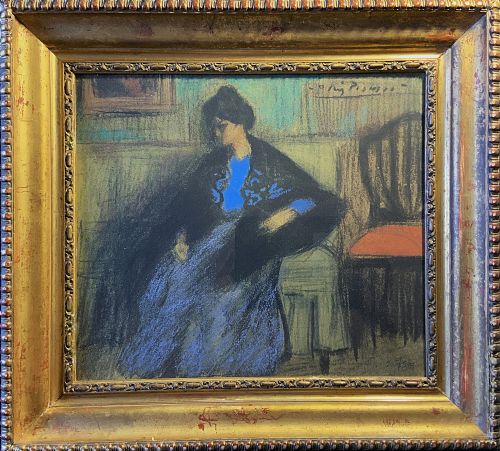
Engravings and mezzotints after master painters dominate the paper selections, accompanied by watercolours, pastels, and oils on canvas or board.
Materials and printmaking techniques
Makers utilised high-grade paper, copper plates for intricate engravings, and specialised ink to transfer detailed imagery from artist to sheet.
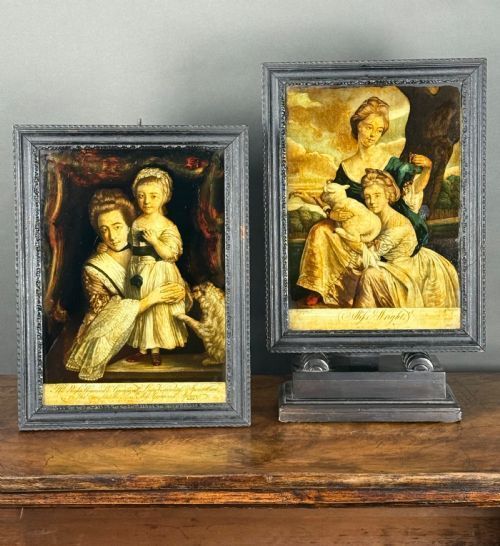
Mezzotints and reverse glass prints required meticulous hand-finishing, sometimes incorporating colour applied beneath glass or rich ink tones on paper.
Framed works frequently rely on wood and giltwood frames, often accented with gold leaf to complement the visual weight of the art.
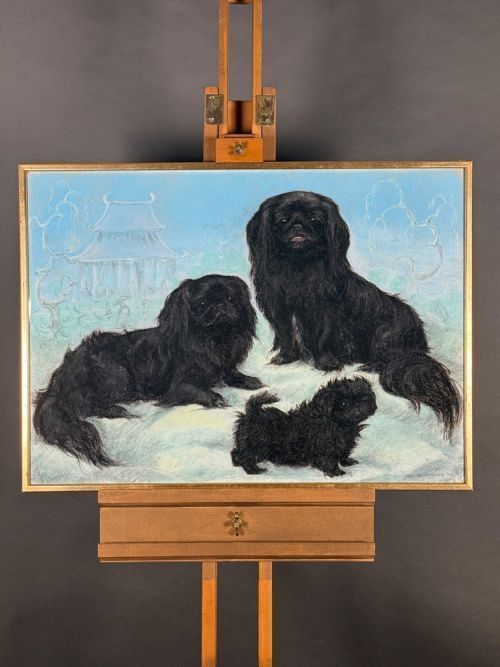
Several listings capture domestic animals behaving entirely like humans, from pekingese dog studies to Persian kittens enjoying a formal tea party.
Quality variations in historical prints
The finesse of the impression separates superior prints from weaker impressions, revealing the crispness of the lines carved into the original plate.
Preservation of the paper surface, depth of the plate mark, and fidelity of any hand-applied colour dictate the standing of an individual piece.
The caliber of the publisher, the involvement of celebrated printmakers, and documented provenance elevate certain examples above standard decorative works.
Edward Fisher·Amand Durand·Valentine Green·Louis Icart·Sydney Wilson·E L Riepenhausen
The Antique Fine Art Print Glossary
- Mezzotint
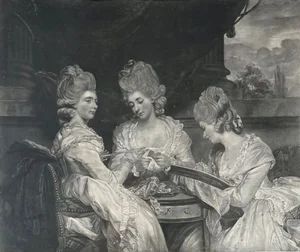
- A printmaking process where the copper plate is roughened to produce rich dark tones and subtle graduations of light. This tonal method allows for velvety contrasts in portraits.
- Engraving
- A technique of cutting lines directly into a metal plate with a sharp tool to hold ink. The resulting impressions display remarkable precision and linear clarity.
- Etching
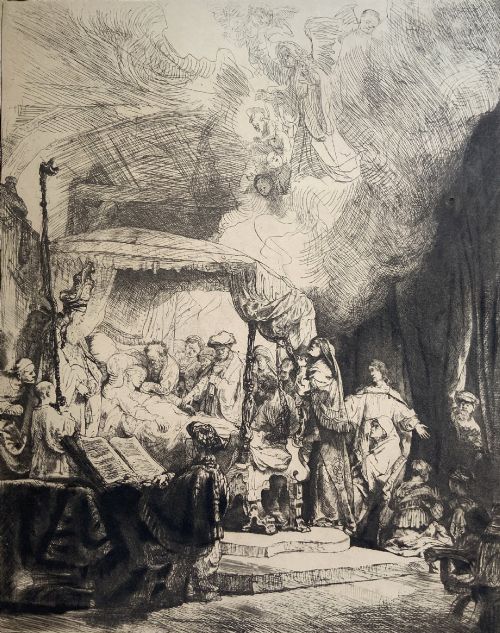
- A method where acid bites lines into a metal plate coated with an acid-resistant ground. Artists draw freely through the ground to expose the metal before chemical biting.
- Collotype
- A photomechanical printing process used to produce high-detail facsimile reproductions. It relies on a hardened gelatin layer rather than a screen.
- Chromolithograph
- A multicoloured print produced by applying separate lithographic stones for each colour. This technique creates vibrant hues without the need for hand tinting.
Antique Fine Art Print: Frequently Asked Questions
What is a mezzotint?
A mezzotint is a print created by roughening a copper plate to hold ink, producing deep tones and smooth tonal transitions.
Master printmakers used this laborious method to translate oil paintings into highly textured monochrome art.
How do I care for antique paper?
Antique paper prints require protection from direct sunlight and excessive humidity to prevent fading and foxing.
Framing with acid-free mounts and UV-filtering glass ensures these delicate works survive safely on your walls.
What distinguishes an etching from an engraving?
An engraving is cut directly into metal with a burin, while an etching is bitten into the plate using acid.
This chemical process gives etched lines a freer, more fluid character compared to the precise incisions of an engraving.
Are these prints originals?
Many historical prints are period impressions pulled from the original plates, often created as fine art editions or book illustrations.
They represent authentic historical artefacts from the periods in which they were printed rather than modern reproductions.