






Antique Filing Unit
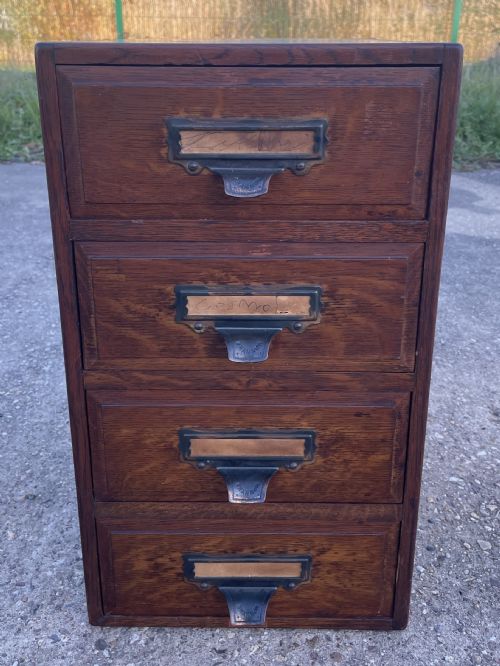
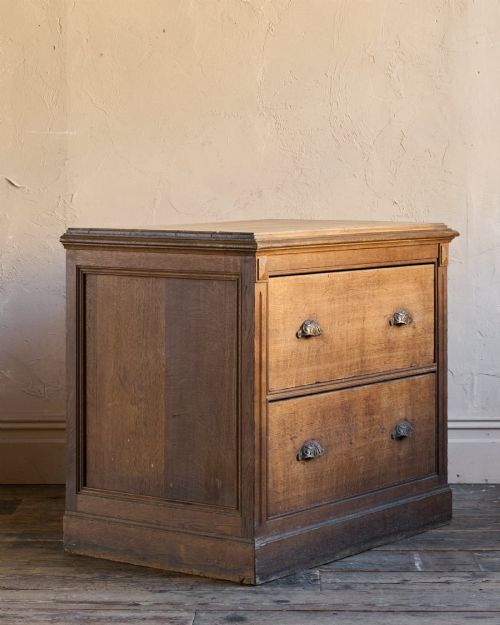
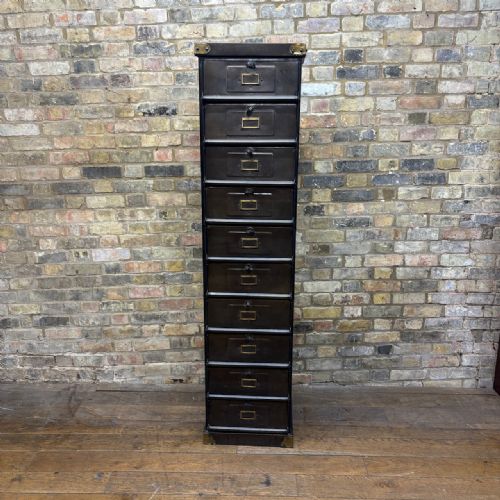
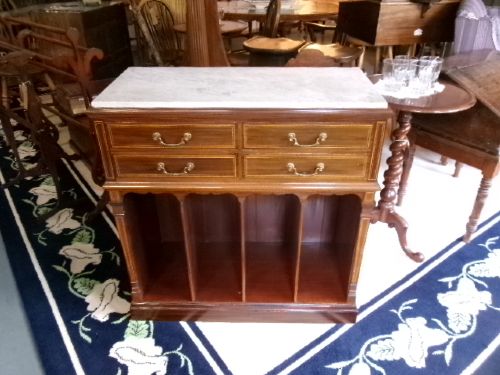
An antique filing unit brings serious workspace provenance into a room, offering robust storage built from solid oak, mahogany and pine.
Antique Filing Unit
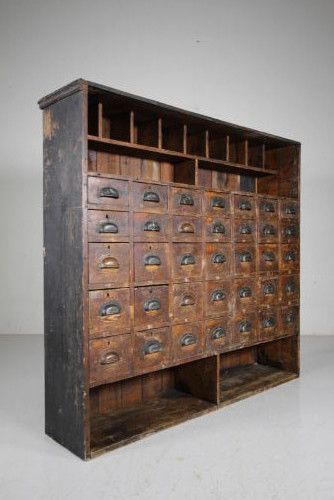
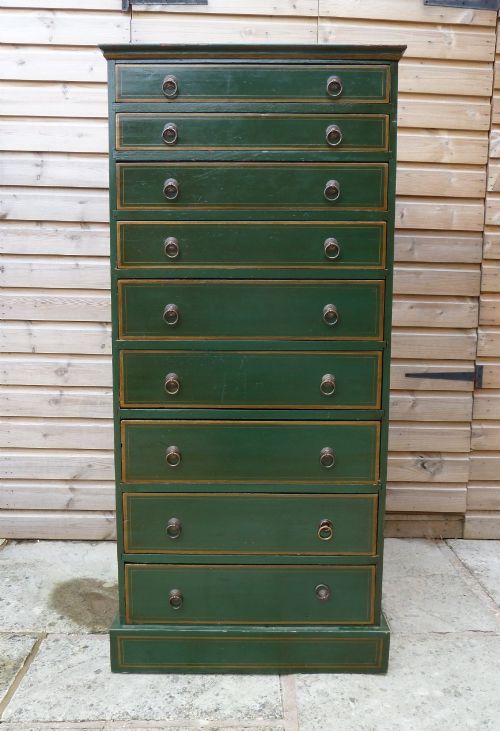
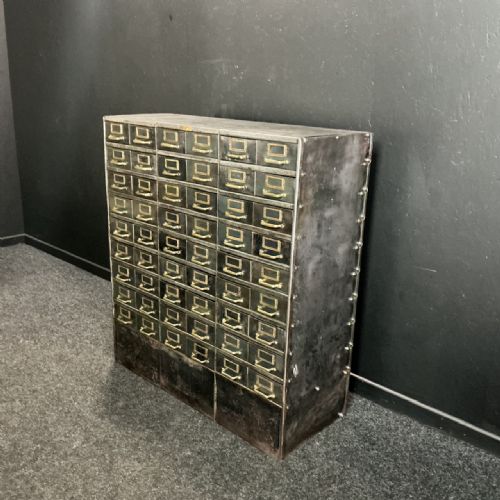
An antique filing unit serves as a practical storage solution, appearing on this page in forms such as vertical filing cabinets, banks of drawers, tambour cabinets, plan chests and card filing sets. Buyers seeking an antique filing unit will frequently encounter sturdy timber pieces dating from the nineteenth century through to the 1940s.
The selection ranges from tall oak vertical filing cabinets and multi-drawer office chests to French post office filing shelves and specialised letter files. These items reflect commercial and domestic workspace history across periods including the Victorian era, Edwardian period, and early twentieth century.
Commercial and industrial pieces dominate the selection, utilising durable hardwoods and softwoods suited to heavy daily organisation. Workshops and offices of the past relied on these functional configurations to manage correspondence, plans and documents.
How they were made
Cabinetmakers constructed these pieces primarily from solid oak, mahogany, walnut and pine, reinforced with brass hardware, cast iron and wooden framing. Construction methods prioritized longevity, utilising robust joinery to withstand the heavy loads of paper and ledgers.
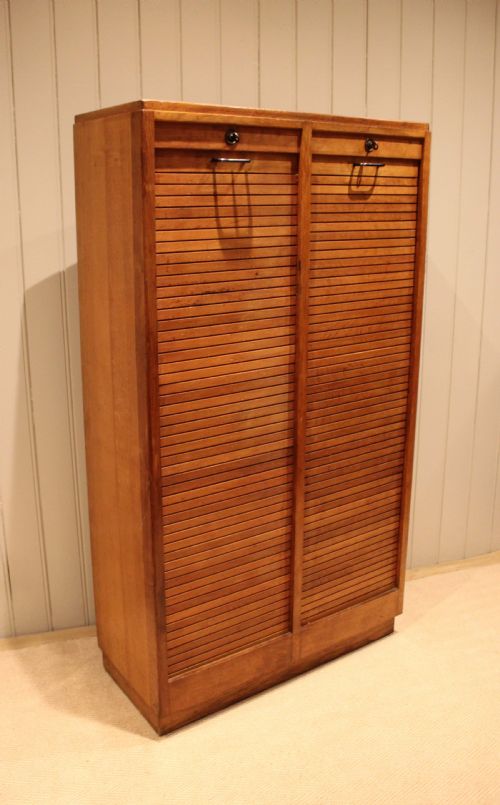
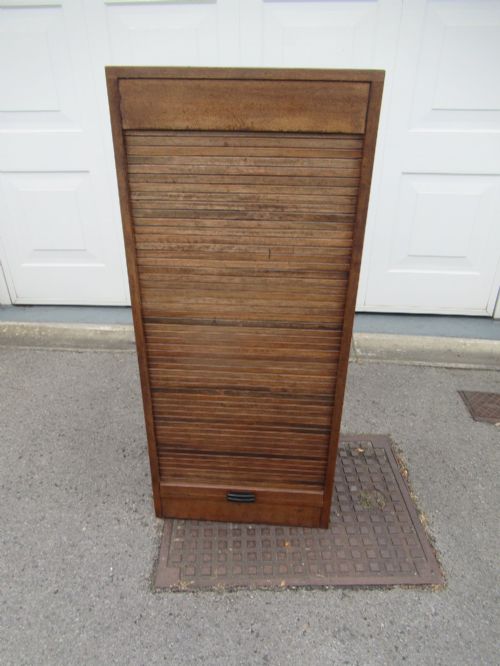
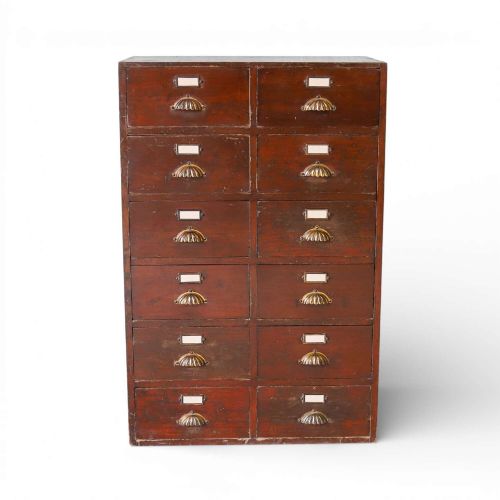
Specialist mechanisms defined advanced storage items, notably the flexible wooden slats of tambour fronts that slide smoothly around a track to conceal interior shelves or files. Original brass shell pulls, label holders and index systems completed the functional design of commercial cabinetry.
Antique Filing Unit Retail Price Guide 2026
Typical asking prices for filing unit among the pieces listed under this phrase on Sellingantiques today, from the lower quarter to the upper quarter. They describe what is for sale here now, not the wider market.
Listings feature oak, mahogany, walnut, pine and brass across Victorian, Edwardian and early twentieth century periods.
What varies in quality
The calibre of timber and the preservation of original mechanical elements distinguish superior examples from standard utility pieces. Figured grain variations in walnut or mahogany and the intact operation of tambour doors indicate higher production standards.
Completeness of original hardware, such as authentic brass handles and label holders, elevates a piece. Retaining functioning internal adjustable shelves or specific filing mechanisms demonstrates the original integrity of the design.
Amberg·Shannon
The Antique Filing Unit Glossary
- Tambour
- A flexible shutter made from narrow strips of wood glued to canvas, allowing doors to slide around a curved track. This mechanism conceals shelving in office and filing cabinets.
- Bank of drawers
- A multi-drawer storage unit designed for sorting paperwork, cards or small items. These units were standard fixtures in historical offices, libraries and shops.
- Plan chest
- A wide, shallow multi-drawer cabinet built to store large architectural plans, maps and artwork flat. They offer deep capacity through numerous stacked horizontal drawers.
- Cartonnier
- A desktop or freestanding piece featuring multiple vertical compartments or drawers for holding papers and documents. Originating in France, they often incorporate leather and fine wood veneers.
- Wellington chest
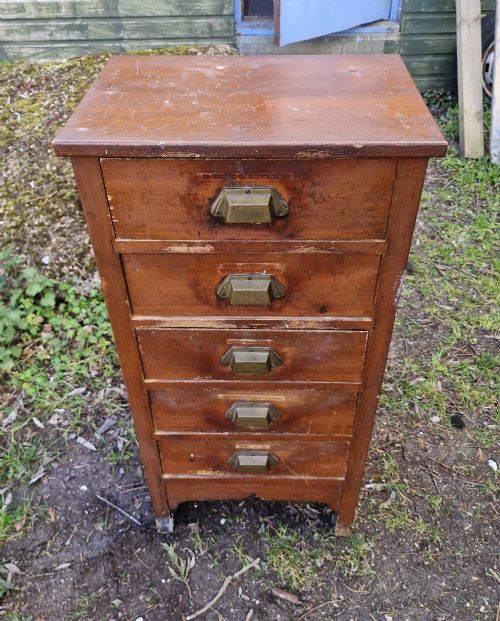
- A tall, narrow chest of drawers secured by a vertical locking bar on one side that fastens with a key. This design originated in the nineteenth century for secure document storage.
Antique Filing Unit: Frequently Asked Questions
What fits inside an antique filing unit?
These units accommodate paperwork, index cards, plans and office supplies within their specialised drawers and shelving compartments. Interiors range from narrow card index trays to deep vertical file partitions and wide shallow plan drawers.
Modern users adapt these compartments for contemporary stationery, craft supplies or household documents while retaining the original organizational layout.
How do tambour doors operate?
Tambour doors slide horizontally or vertically along recessed tracks built into the cabinet frame. The door consists of narrow wooden slats attached to a flexible canvas backing that curves smoothly around the cabinet corners.
Opening the cabinet requires sliding the handle until the slats disappear into the sides or back of the housing, revealing the internal shelves.
Where were these cabinets used?
Historical offices, post offices, libraries, architectural practices and merchant shops utilised these units for daily document management. Commercial environments relied on their secure and systematic storage to handle vast quantities of correspondence.
Domestic studies and libraries also housed smaller variations, such as music cabinets and multi-functional side cabinets, for personal administration.
How do I identify the period?
Dating relies on timber choices, construction techniques, hardware styles and patent marks found on the fittings. Victorian and Edwardian pieces often display rich mahogany or oak with traditional brass drop handles or shell pulls.
Later twentieth-century examples introduce streamlined industrial styling, simpler metal hardware and alternative timber finishes like beech and painted pine.