



Antique Filigree Brooch
An antique filigree brooch is a delicate piece of wirework jewellery, offering intricate metal patterns that catch the eye and elevate period attire.
Antique Filigree Brooch
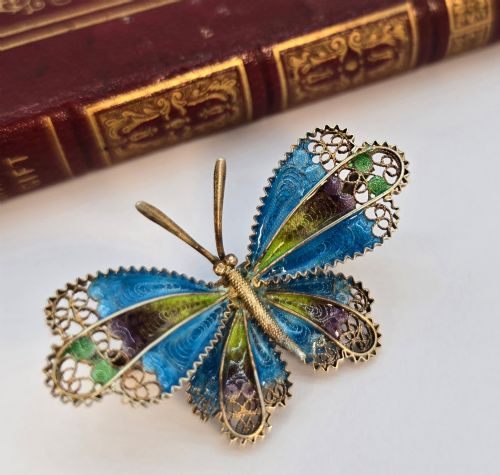
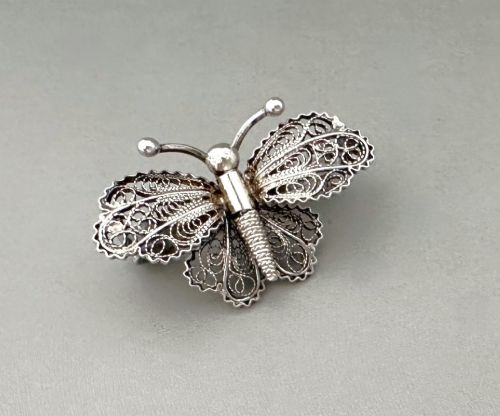
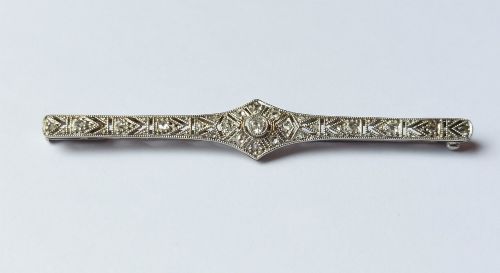
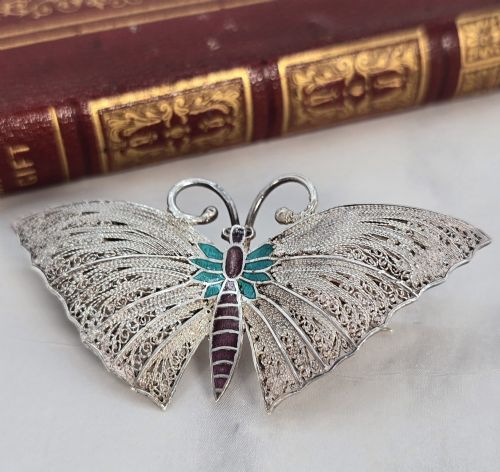
An antique filigree brooch represents a refined form of metalwork jewellery that utilises fine twisted threads soldered together to form openwork patterns. Buyers exploring this category will find an array of delicate designs, ranging from geometric Art Deco bars to naturalistic butterfly motifs.
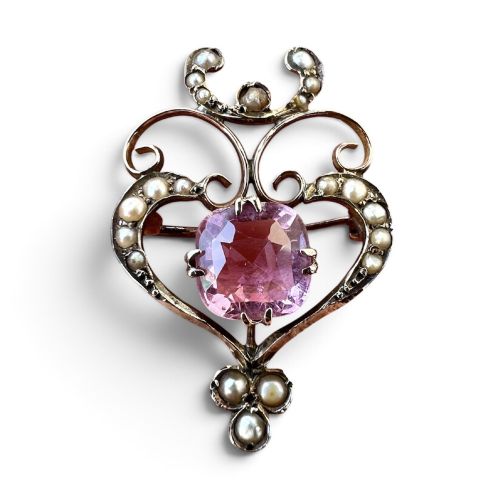
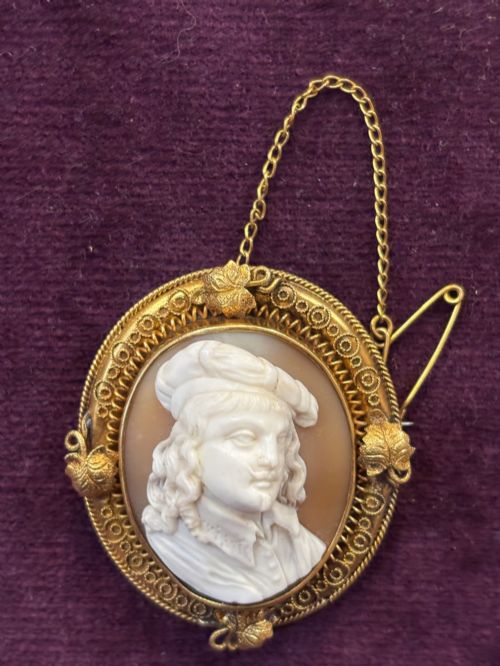
The pieces appearing on this page span several distinct eras, with the 1930s yielding numerous silver and enamel butterfly examples. Alongside these, Victorian and Edwardian iterations showcase cameos, pearls, and diamonds set within elaborate frames.
Origins vary across these jewels, encompassing Continental workshops, Chinese Export pieces, and English Victorian designs. This diversity ensures that collectors can encounter everything from modest silver novelty brooches to substantial gold and gemstone creations.
Materials and construction methods
The fabrication of these ornaments relies heavily on fine wire manipulation, where silver, yellow gold, or platinum is drawn into slender threads and shaped into scrolls and lacework motifs. Cannetille techniques further augment this wirework by incorporating tiny granules and domed elements into the metal foundation.
Precious and semi-precious stones frequently anchor the wire designs, with diamonds, sapphires, tourmalines, and amethysts secured in collet or bezel settings. Additionally, enamel work and hand-carved materials such as shell, coral, and lava cameos provide centres of colour within the metallic frames.
Antique Filigree Brooch Retail Price Guide 2026
Typical asking prices for filigree brooch among the pieces listed under this phrase on Sellingantiques today, from the lower quarter to the upper quarter. They describe what is for sale here now, not the wider market.
Several butterflies here have survived nearly a century without losing a single antenna of their delicate silver wirework.
Factors that distinguish the finest examples
The calibre of a piece rests upon the precision and complexity of the wire soldering, where superior examples exhibit uniform gauge and secure joints without excess solder obscuring the design. Finer works also demonstrate greater weight in the precious metal and superior crispness in hand-carved cameos or detailed enamel work.
The integration of gemstones further elevates a piece, distinguishing standard silver novelty items from substantial platinum or high-karat gold jewels set with matched diamonds and sapphires. Preservation of the original metal finish and intact enamel or delicate pin mechanisms complete the distinction between ordinary and exceptional specimens.
The Antique Filigree Brooch Glossary
- Filigree
- Fine metal wire, usually gold or silver, soldered into openwork lace patterns. It forms the primary decorative element of these brooches.
- Silver Gilt
- Silver that has been coated with a thin layer of gold. This treatment provides the warmth of gold with the lighter weight of a silver base.
- Cameo
- A gemstone, shell, or lava carved in relief to display a raised design against a contrasting background. These carvings frequently serve as the central focus of Victorian brooches.
- Art Deco
- A design style prevalent in the 1920s and 1930s characterised by sleek geometric lines and platinum settings. Pieces from this period often utilise contrasting gemstones like diamonds and emeralds.
- Saphiret
- A special type of nineteenth-century glass that reflects a distinct blue and brown colour shift. It is occasionally found set within antique jewellery.
Antique Filigree Brooch: Frequently Asked Questions
How do I date an antique filigree brooch?
Dating relies on examining the metal type, gemstone cuts, and overall stylistic motifs. For instance, geometric platinum pieces point to the Art Deco era, while delicate wirework combined with shell cameos typically suggests the Victorian period.
Assay marks and maker stamps, where present on the reverse, offer further chronological clues. Comparing the pin mechanism and catch style against known period standards also helps narrow down the decade of manufacture.
How should I care for delicate filigree jewellery?
The intricate openwork wire requires gentle handling to prevent bending or catching on garments. Cleaning should be performed with a soft brush and mild soapy water, avoiding harsh chemical dips that might damage softer stones or enamel.
Storage in a dedicated box prevents the fragile protruding pins or delicate silver threads from sustaining pressure. Regular inspection by a jeweller ensures that any gemstone settings remain secure.
What motifs are common in antique filigree brooches?
Insect and floral themes dominate many surviving examples, particularly the butterfly motif executed in silver and colourful enamel. Geometric ribbon and scroll patterns also recur frequently across Edwardian and Art Deco wirework.
Figurative elements, including carved cameos of classical profiles, appear regularly in nineteenth-century pieces. These varied subjects reflect the shifting aesthetic tastes of the Victorian through to the 1930s periods.