


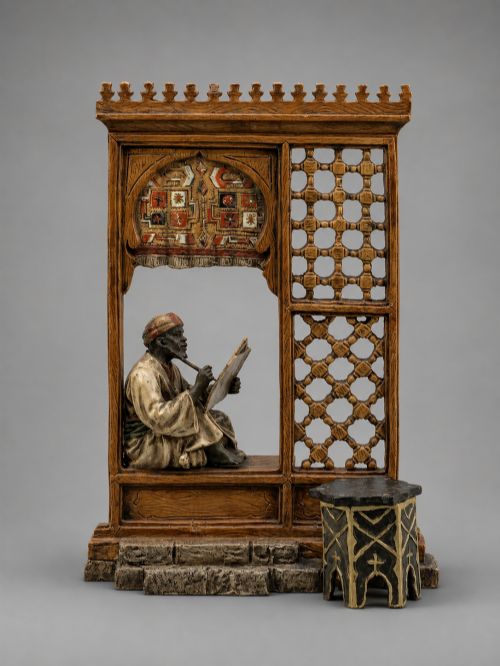
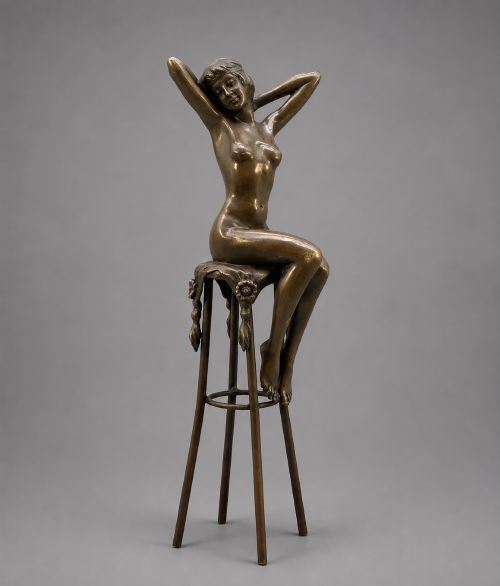

Antique Figurine Statue
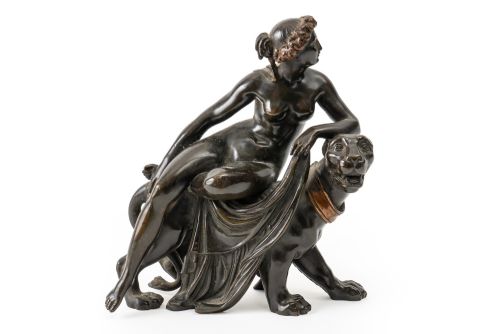
When searching for an antique figurine statue, collectors encounter sculpted representations in bronze, marble, wood, and porcelain spanning multiple centuries.
Antique Figurine Statue
An antique figurine statue encompasses three-dimensional sculpted forms produced across the nineteenth and twentieth centuries, ranging from small cabinet bronzes to substantial decorative figures. Buyers searching this phrase look for craftsmanship that translates human figures, animals, and mythological subjects into solid media.
The most common examples on this page derive from the Victorian, Art Deco, and Classical Revival periods, frequently cast in bronze, carved in alabaster or wood, or modelled in ceramic. These pieces served primarily as interior ornaments for domestic mantels, libraries, and display cabinets.
Materials and Techniques
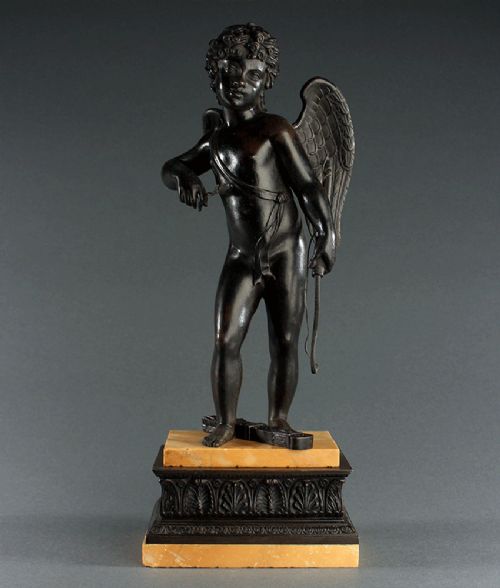
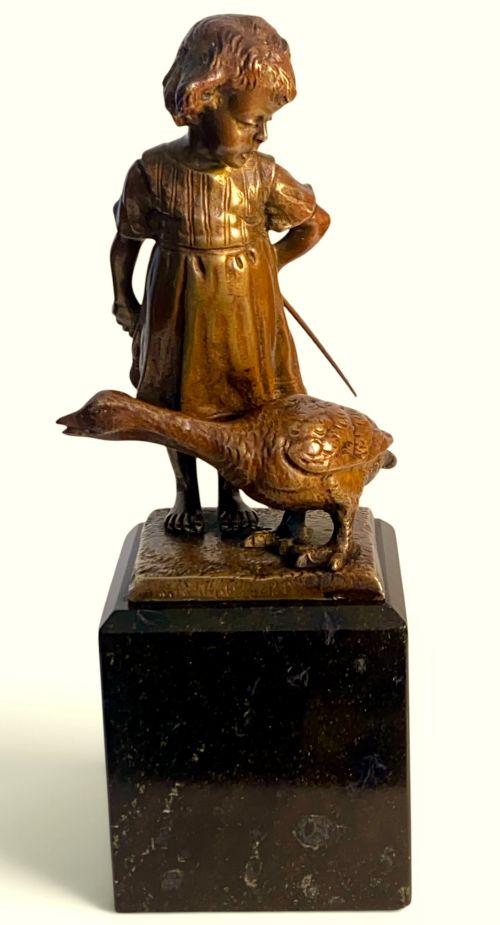
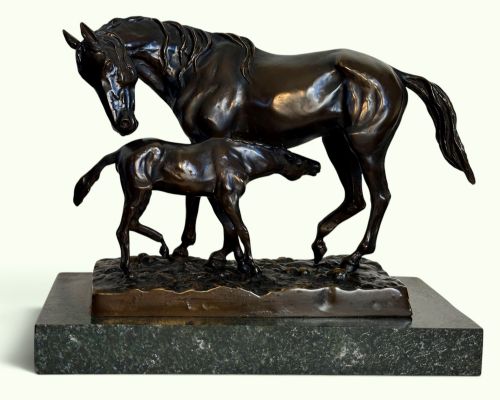
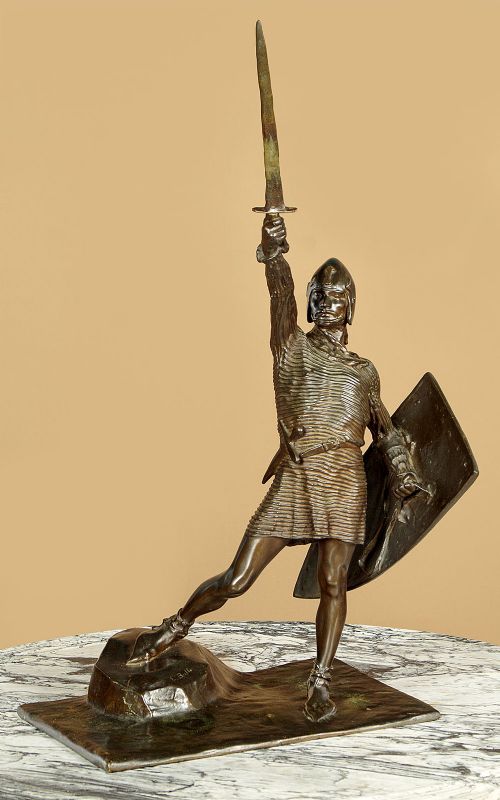
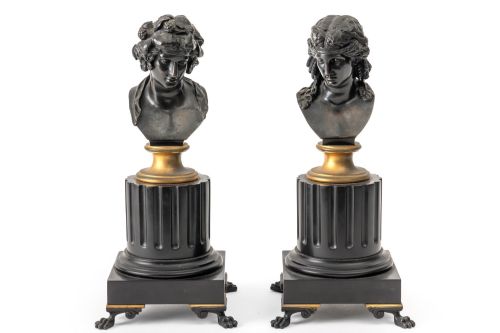
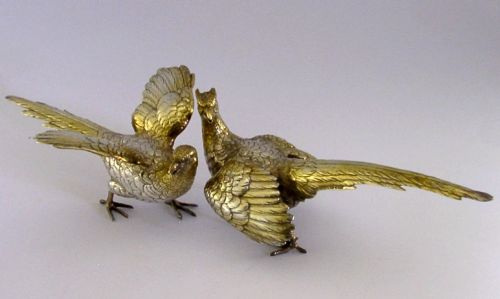
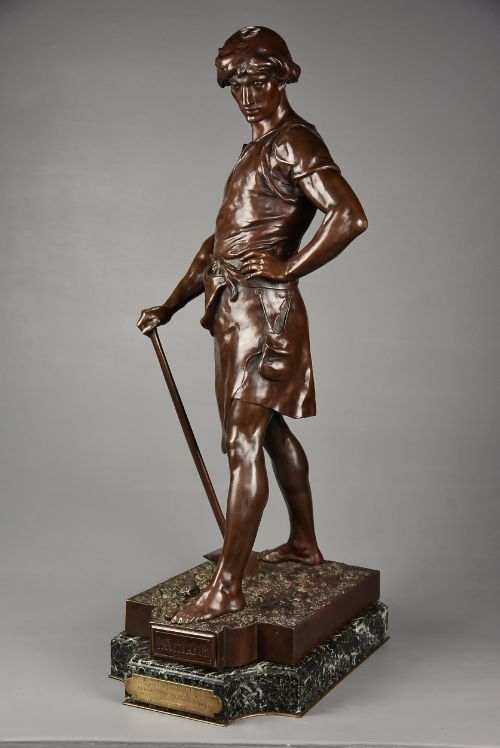
Many metal sculptures utilise the lost-wax casting method for bronze, allowing intricate details on figures and animals to emerge clearly before receiving patination or silvering. Cast metals are frequently mounted onto heavy bases of marble or slate to provide stability.
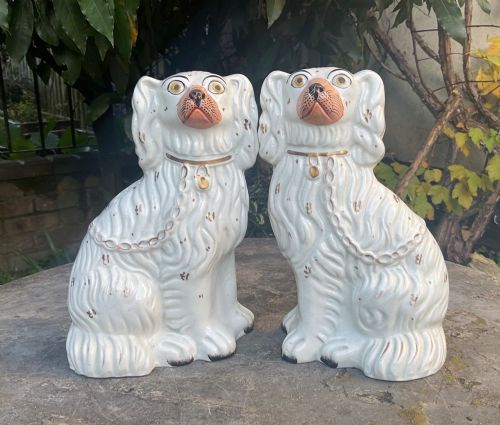
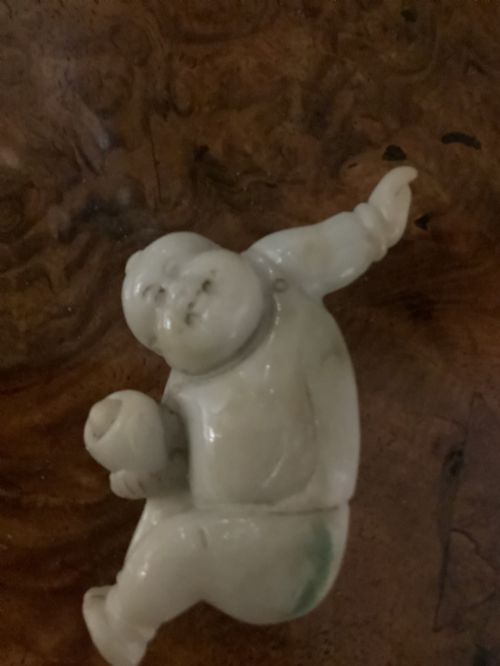
Carved pieces rely on hand-chiselling techniques applied to natural materials such as alabaster, jade, linden wood, and cedar. Ceramic and porcelain examples combine slip-casting or hand-modelling with specialised glazes or bisque firings.
Antique Figurine Statue Retail Price Guide 2026
Typical asking prices for figurine statue among the pieces listed under this phrase on Sellingantiques today, from the lower quarter to the upper quarter. They describe what is for sale here now, not the wider market.
Several listings depict animals engaged in human pursuits, including fighting tigers and three wise monkeys.
Assessing Quality
The integration of the figure with its base, the depth of the patina, and the clarity of maker signatures or foundry stamps distinguish standard decorative output from works by known sculptors and established foundries.
Barbedienne·P. J. Mène·Gustave Dussart·D. H. Chiparus·Jean de Roncourt·Hagenauer·Maurice Giraud-Rivière·Valentino Besarel·Luca Madrassi·Pierre Collinet·Tom Mackie·Carl Kauba
The Antique Figurine Statue Glossary
- Animalier
- A term for nineteenth-century sculptors who specialised in realistic depictions of animals, particularly dogs, big cats, and horses. These artists studied live subjects extensively to capture natural movement.
- Patination
- The chemical treatment or natural ageing process that colours the surface of bronze and other metals. A deliberate patina enhances the visual depth of a sculpture.
- Spelter
- A zinc alloy frequently utilised as an economical alternative to bronze during the late nineteenth and early twentieth centuries. It is typically painted or electroplated to simulate heavier metals.
- Bisque
- Unglazed white porcelain that has been fired once, producing a matte, marble-like texture favoured for delicate figurative sculptures.
- Grand Tour
- A nineteenth-century cultural tradition where travellers collected bronze reductions of classical antiquities and Renaissance masterpieces as souvenirs of European journeys.
Antique Figurine Statue: Frequently Asked Questions
What is an animalier sculpture?
Animalier sculptures focus specifically on realistic portrayals of animals in motion or repose, capturing accurate musculature and behaviour.
These works gained immense popularity in nineteenth-century Europe, particularly through French foundries that produced studies of lions, hounds, and horses.
How do I care for antique alabaster?
Alabaster requires gentle dusting with a soft, dry cloth and must be kept away from moisture and direct sunlight. Because the stone is relatively soft, harsh cleaning agents will damage the polished surface.
Displaying pieces on stable surfaces prevents accidental knocks that could chip projecting limbs or delicate drapery.
What distinguishes spelter from bronze?
Spelter is a zinc-based alloy that feels lighter than bronze and is softer to the touch, often showing a dull grey metal beneath worn paint or plating. Bronze is heavier, more durable, and develops a genuine oxidation patina over time.
Foundry marks and crisper surface detailing typically indicate true bronze rather than spelter.
Where were Grand Tour bronzes made?
Grand Tour bronzes were produced primarily in Italy and France during the nineteenth century to satisfy travellers collecting miniature copies of classical statues.
These pieces allowed owners to bring museum-quality representations of ancient Roman and Renaissance art into private homes.