

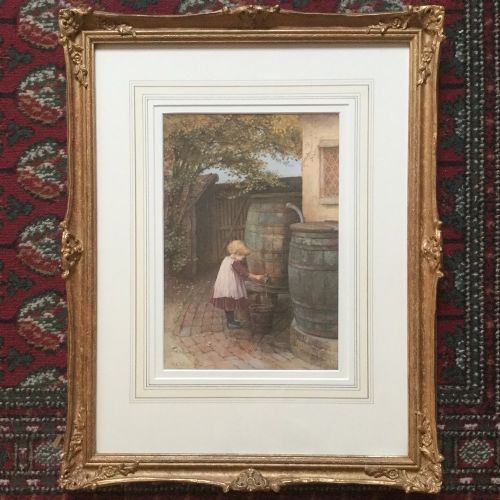


Antique Figurative Print
An antique figurative print brings human stories into a room, capturing intimate moments, portraits, and narratives on paper or canvas.
Antique Figurative Print
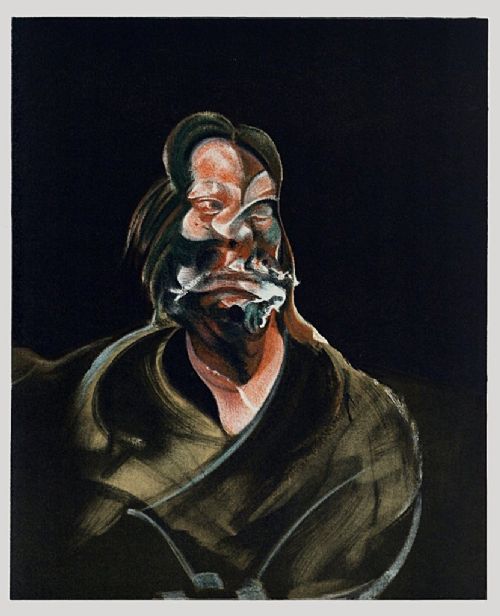
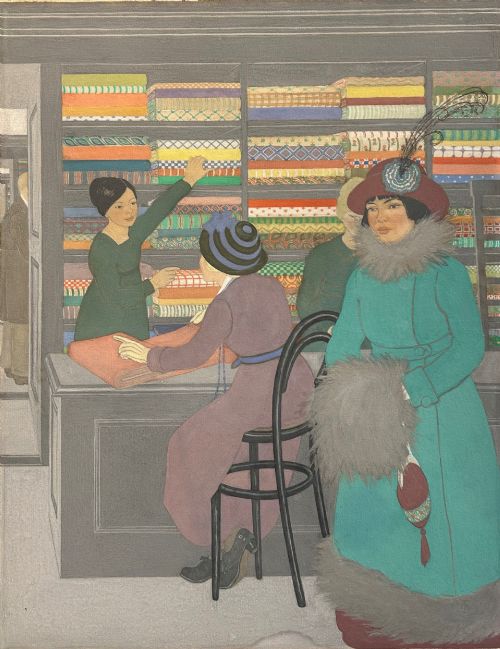
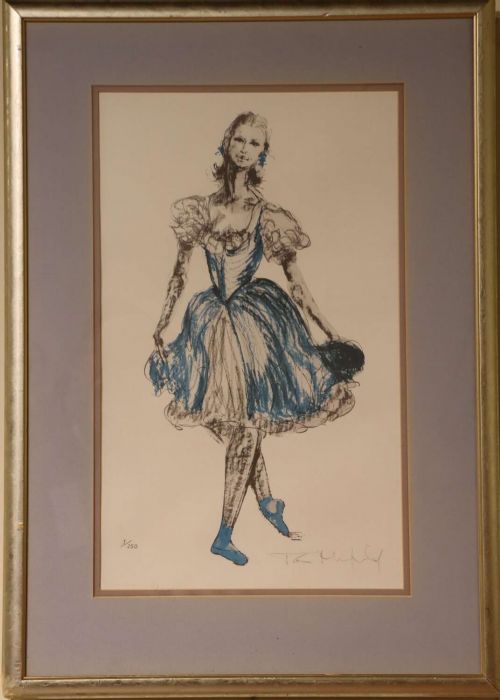
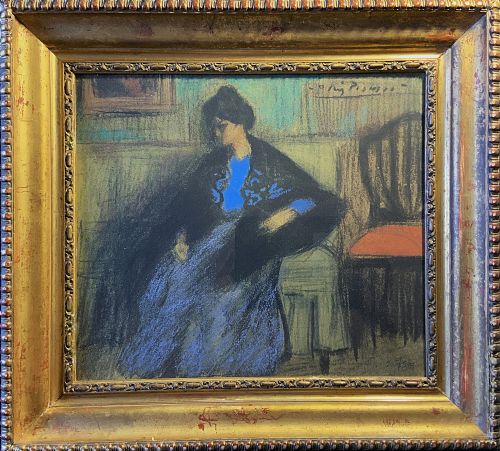
An antique figurative print focuses on the human form, depicting people in daily life, romantic scenes, and dramatic narratives. These works range from early woodblock prints to detailed 19th-century lithographs and mezzotints framed for display.
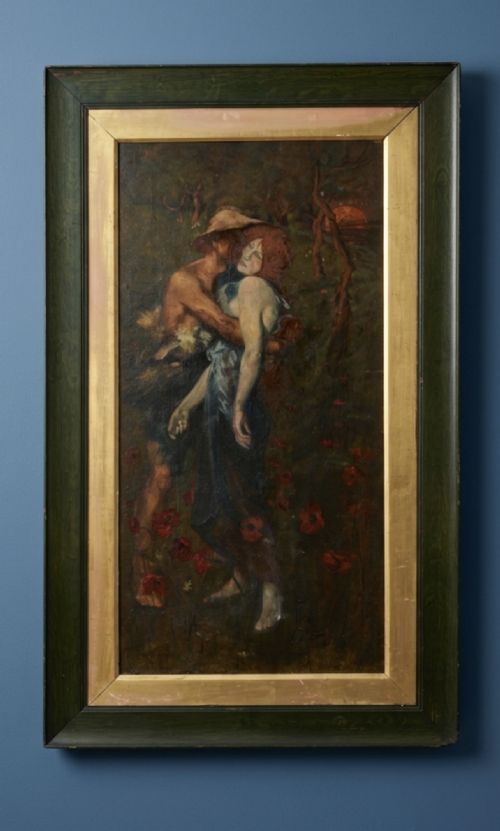
The selections span eras from the 17th century through the early 20th century, encompassing Victorian symbolist subjects and Japanese ukiyo-e designs. Buyers encounter framed prints alongside related works on canvas and glass.
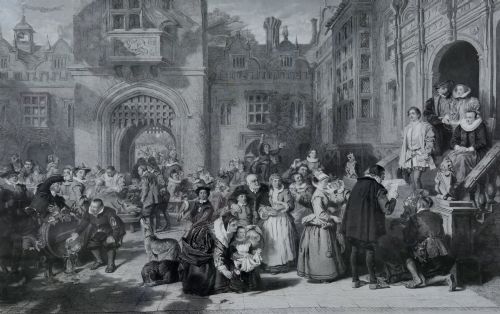
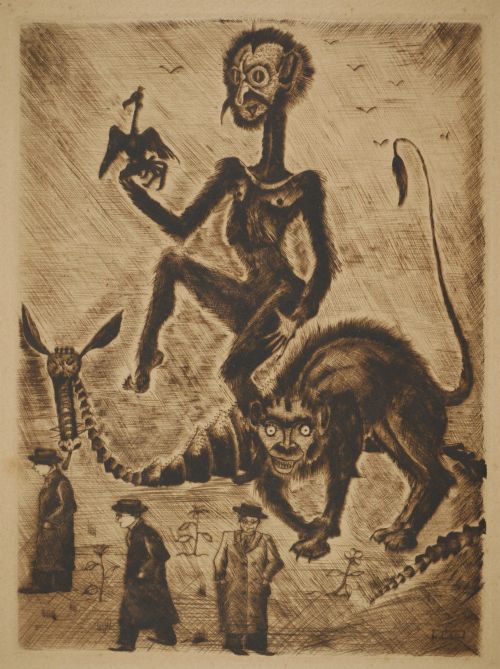
Victorian examples and early 20th-century etchings dominate the current offerings, often depicting figures in narrative settings. Each piece preserves historical techniques in illustration and portraiture.
Materials and production
Makers utilised paper as the primary medium for prints, applying ink through etching, lithography, mezzotint, and woodblock techniques. Wood and gilt wood frames frequently enclose these works, sometimes complemented by gesso ornamentation.
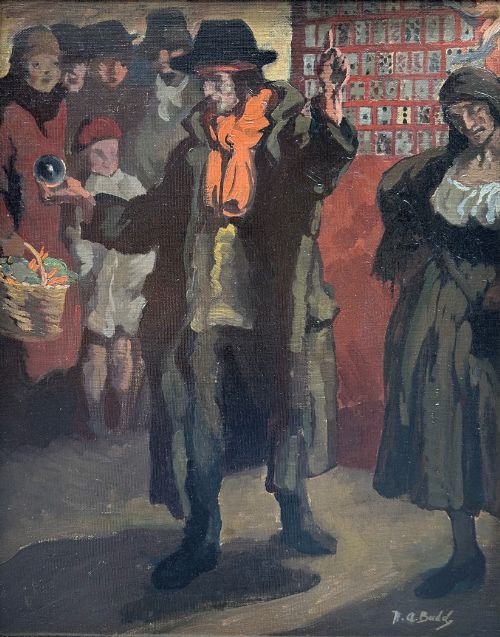
Several pieces incorporate hand-applied watercolour over printed lines, combining graphic reproduction with direct brushwork. Artists also worked on canvas and glass, producing oil paintings and crystoleoms that mirror the themes of the prints.
Antique Figurative Print Retail Price Guide 2026
Typical asking prices for figurative print among the pieces listed under this phrase on Sellingantiques today, from the lower quarter to the upper quarter. They describe what is for sale here now, not the wider market.
Several Victorian couples appear locked in eternal, silent arguments captured forever in ink and pigment.
Distinctions in quality
The definition of the printed line and the depth of the ink establish the visual strength of an etching or lithograph. Impressions taken early from a plate retain finer details than later strikes.
Original frames in gilt wood or carved wood add considerable character compared to modern replacements. The precision of hand-colouring and the preservation of the paper sheet influence the overall character of the piece.
Kurt Lorein Victor Peiser·Herbert Ashwin Budd·Charles Edward Wilson·Edward Stodart·Arthur Hopkins·Kunisada·Charles Burton Barber·Hendricus Joseph Dillens·William Russell Flint·William Powell Frith·Louis Icart·Carlo Ferranti·Frank Moss Bennett
The Antique Figurative Print Glossary
- Etching
- A printmaking method where acid bites lines into a metal plate to hold ink. This technique allows for fine, expressive detail in figurative compositions.
- Lithography
- A planographic printing process based on the antipathy of oil and water. It became widely used in the 19th century for reproducing detailed tonal paintings.
- Mezzotint
- A tonal printmaking process where the copper plate is roughened to achieve rich darks and subtle gradations of light. It yields soft transitions ideal for portraits.
- Crystoleom
- A Victorian technique where a colour print is made transparent, applied to convex glass, and hand-painted behind the glass. This creates a luminous, three-dimensional effect.
- Ukiyo-e
- A genre of Japanese woodblock prints and paintings depicting scenes of everyday life and popular culture. These works heavily influenced European artists in the 19th century.
Antique Figurative Print: Frequently Asked Questions
How do I care for antique prints?
Keep paper works out of direct sunlight to prevent the ink and pigments from fading over time. Maintain stable humidity levels in the room to protect both the paper and the wooden frames.
Ensure that framing materials are acid-free if you decide to remount the piece. Professional framing helps protect fragile sheets from environmental damage.
Are these works original prints?
Many listings comprise original etchings, lithographs, and woodblock prints created during the artist's active period. Some items represent period advertising prints or later reproductions of well-known paintings.
Read the title and description carefully to determine whether the item is a direct print pulled from a plate or a reproduction after an original painting.
What is a crystoleom?
A crystoleom is a Victorian picture made by sticking a colour print to glass, thinning the paper, and painting behind it. This painstaking process gave flat prints a remarkable sense of depth and luminosity.
They are typically convex in shape and housed in ornate frames that match the period style.
How do I date a figurative print?
Examine the paper type, printing technique, and framing style for clues regarding the period of production. Signatures, publication dates, and artist lifespans provide precise chronological markers.
Stylistic shifts, from 17th-century etching practices to 1920s Surrealism, also help place the work in its historical context.