



Antique Figural Group
An antique figural group captures multiple characters or figures interacting within a single sculpted or painted composition, bringing narrative drama and artistic presence to any interior.
Antique Figural Group
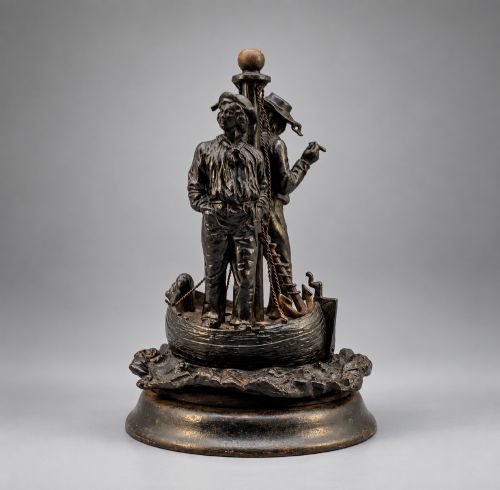
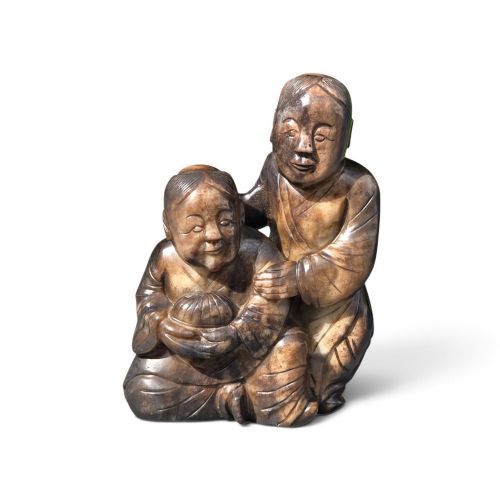
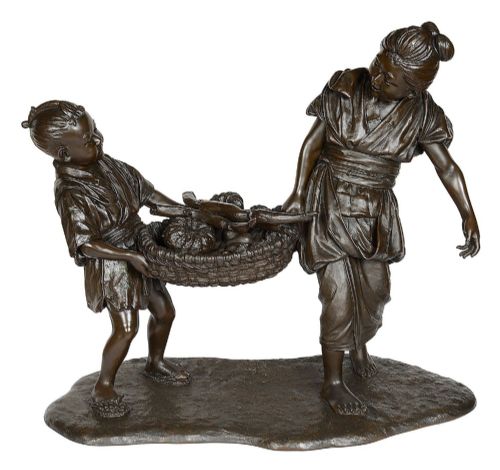
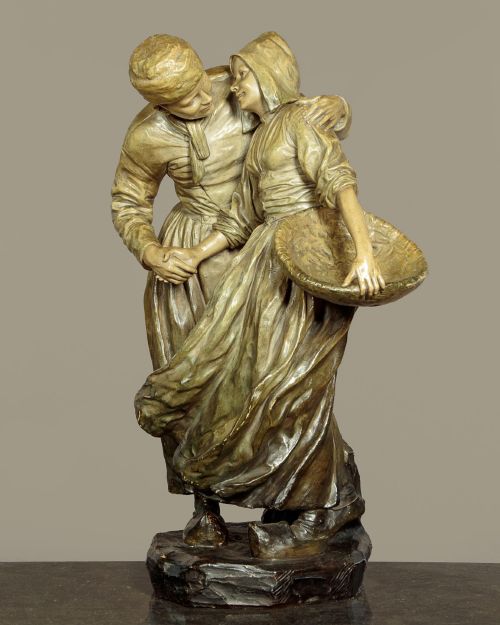
An antique figural group consists of two or more figures depicted in a shared scene, ranging from mythological narratives and classical putti to domestic family groups. These multi-figure compositions appear frequently in 19th-century European metalwork, ceramics, and carved stone.
The versions most commonly met on this page include French and Austrian bronzes, continental porcelain groupings, and terracotta sculptures from the Victorian era onwards. These pieces span Neoclassical, Rococo Revival, Art Nouveau, and Art Deco styles.
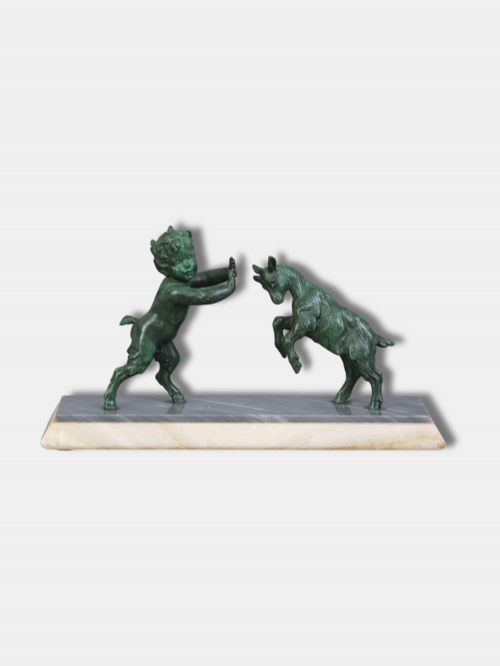
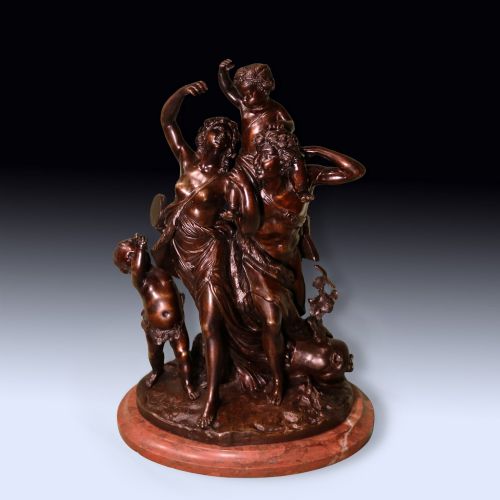
Buyers encounter subjects varying from mythological fauns and bacchic revellers to everyday scenes of mothers with children or musicians performing. Each piece tells a distinct story through the physical interplay and expressions of the subjects.
How they were made
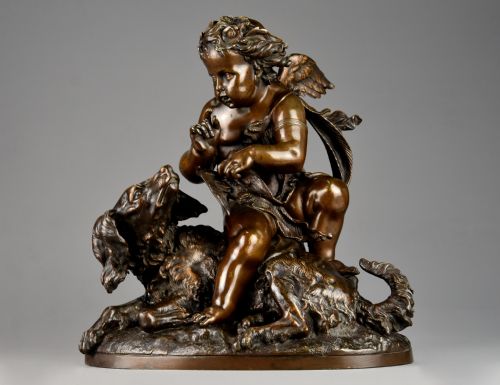
Bronze sculptures in these groups were cast using the lost-wax method, allowing intricate detail in hair, drapery, and facial expressions, often finished with patination, silvering, or gold leaf. Marble and alabaster pieces were hand-carved, utilising the natural veining of the stone to give depth to the figures.
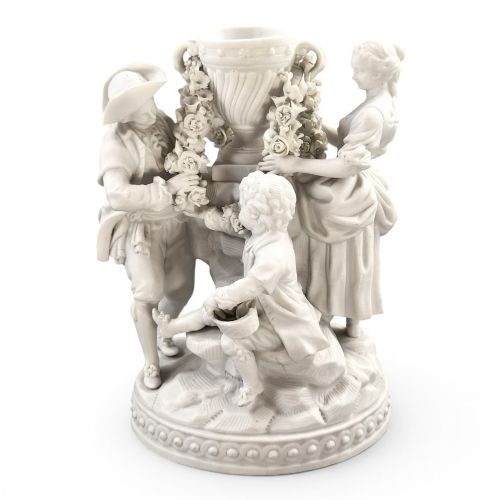
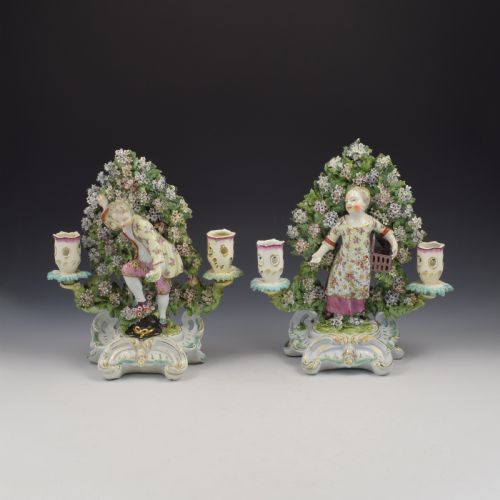
Porcelain figural groups combined moulded ceramic parts with hand-modelled lace, floral garlands, and delicate hand-painted polychrome glazes before multiple firings in the kiln. Terracotta and plaster groups relied on skilled modeling of clay, capturing the immediate touch of the artist before drying and firing.
Cast iron and spelter served as alternative metals for later works, particularly during the Art Deco period, offering robust metallic bases for painted or patinated finishes.
Several groups feature musical goats, dancing maidens, and spaniels joining in on the human fun.
What varies in quality
The fidelity of the casting and the crispness of the chasing separate superior bronze groups from simpler commercial productions. In porcelain and terracotta, quality shows in the delicacy of modeled extremities, the absence of firing cracks, and the precision of hand-painted details.
The artistic provenance and the complexity of the composition also determine the standing of a piece. Works carrying the signatures of recognised sculptors or esteemed factories demonstrate superior design and execution compared to anonymous workshop output.
Emile Carlier·Goldscheider·Clodion·Auguste Moreau·Ernst Bohne Soehne·Meissen·Vion et Baury·Royal Dux Bohemia·Carl Kauba·Joseph Gott
The Antique Figural Group Glossary
- Patinated bronze
- Bronze treated with chemical solutions to produce a specific surface colour or aged finish. This layer protects the metal while enhancing the visual depth of the figures.
- Biscuit porcelain
- Unglazed porcelain that has a matte, smooth texture resembling marble. It is frequently employed in sculptural groups to highlight fine anatomical details.
- Spelter
- A zinc alloy used as a less expensive substitute for bronze, particularly in Art Deco statuary. It takes paint and patination well to simulate heavier metals.
- Bocage
- An intricate background of foliage and leaves commonly found behind figures in 18th and 19th-century porcelain. It provides a decorative botanical frame for the central characters.
- Putto
- A chubby male child figure, often winged, derived from classical art and frequently shown playing instruments or accompanying mythological deities. They add a playful dynamic to figural compositions.
Antique Figural Group: Frequently Asked Questions
What defines an antique figural group?
An antique figural group is a sculpture or painted work depicting two or more interacting characters rather than a single isolated subject. These pieces often tell a story from mythology, literature, or domestic life.
They appear across various materials including bronze, porcelain, terracotta, and marble, reflecting the prevailing artistic styles of their respective periods.
Where should I display a bronze group?
Bronze figural groups suit prominent tabletops, mantelpieces, or dedicated display cabinets where adequate lighting can highlight the patination and fine details. Placing them away from direct heat sources protects any underlying marble bases.
Their substantial weight and intricate multi-angle compositions make them ideal centrepieces for rooms furnished in period styles.
How do I distinguish between bronze and spelter?
Bronze is heavier, colder to the touch, and rings with a distinct tone when tapped lightly, whereas spelter is softer and more brittle. Spelter groups often reveal a greyish metal beneath worn areas of paint or patination.
Bronze also develops a stable natural oxidation over time, while spelter is more prone to surface bubbling and flaking finishes.