


Antique Faux Book Box
An antique faux book box conceals everyday items within simulated leather or wooden bindings, offering clever storage that delights the eye.
Antique Faux Book Box
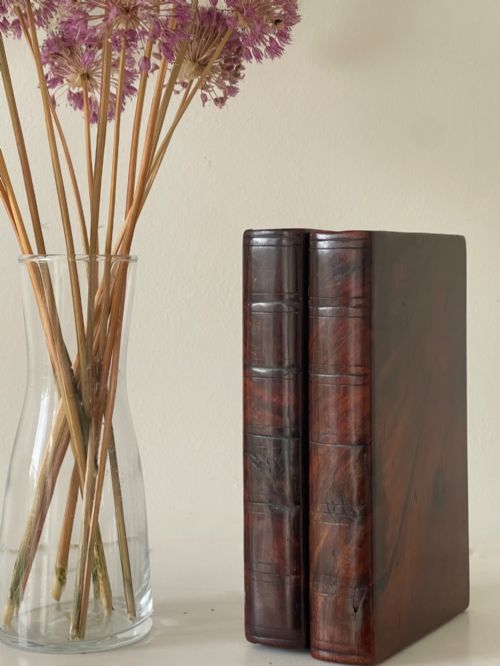
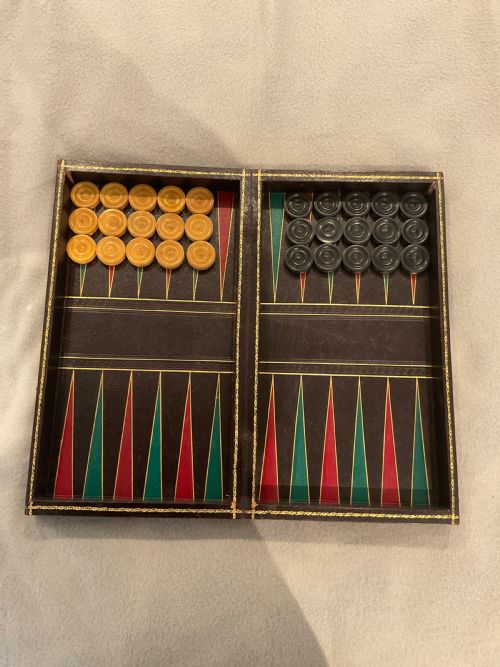
An antique faux book box takes the familiar form of a bound volume while serving as a functional repository for games, documents, or valuables. These pieces appear across several periods, most visibly in Victorian and nineteenth-century examples.
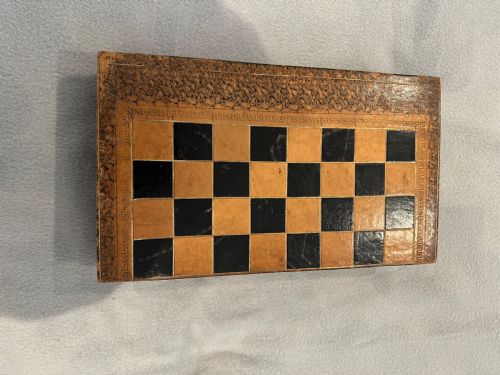
The assortment includes leather-bound games boards, tabletop cabinets, document caskets, and intricate marquetry boxes. Makers designed these clever items to blend seamlessly into a library shelf or sit discreetly upon a gentleman's desk.
Materials and construction methods
Craftsmen utilised traditional timber carcasses, often employing mahogany or olive wood to form the structural body of the box. Woodworkers then shaped the exterior edges to mimic individual pages of text.
Tooling leather surfaces with gold leaf created the illusion of spine ribbing and title labels. Marquetry inlay provided decorative ornamentation on wooden Sorrento variants, whilst brass hardware secured the internal compartments.
One extraordinary nineteenth-century document box originated directly from Lambeth Palace, blending ecclesiastical history with clever domestic secrecy.
Assessing the grade of the piece
Superior examples demonstrate meticulous attention to the simulated page edges and precise leather tooling that closely mirrors genuine period binding. The integration of secret locking mechanisms or clever internal fittings elevates a piece above standard decorative items.
Material selection dictates the character of the box, with finely figured mahogany and intricate marquetry inlay commanding greater visual interest. The proportion and weight of the construction reflect the skill invested by the original maker.
The Antique Faux Book Box Glossary
- Marquetry inlay
- Small pieces of various coloured woods fitted together to form decorative patterns on the exterior surface. This technique requires considerable precision from the woodworker.
- Sorrento ware
- Woodwork originating from the Italian town of Sorrento, frequently featuring intricate mosaic inlay and olive wood construction. These pieces often serve as vanity or keepsake boxes.
- William IV
- A British architectural and decorative style spanning the early nineteenth century. Furniture and objects from this period display robust proportions and classical restraint.
- Tabletop cabinet
- A miniature piece of furniture designed to sit upon a desk or surface rather than the floor. These items provide organised storage for stationery or valuables.
- Casket
- A decorative box intended for holding jewellery, documents, or precious items. They frequently incorporate secure locking lids and lined interiors.
Antique Faux Book Box: Frequently Asked Questions
What were antique faux book boxes used for?
These clever objects served primarily to conceal mundane items or valuables in plain sight upon a library shelf or desk. Owners utilised them to store playing cards, writing implements, documents, and personal trinkets.
By disguising storage as leather-bound literature, makers allowed nineteenth-century households to keep practical accessories close at hand without cluttering formal spaces.
How do I date an antique faux book box?
Dating relies heavily on observing the materials, construction methods, and stylistic cues present in the piece. Victorian and nineteenth-century examples often feature tooled leather bindings and gold leaf accents.
Edwardian or later twentieth-century iterations might display distinct art nouveau flourishes or different timber treatments. Examining the interior linings and hardware helps narrow down the manufacturing era.
Where were faux book boxes typically placed?
Victorian households positioned these decorative boxes within libraries, studies, and drawing rooms where they blended directly with actual book collections. Tabletop variants sat openly upon desks, dressing tables, or sideboards.
Their dual nature meant they functioned equally as decorative ornaments and as accessible containers for daily accessories.
How do I care for a leather-bound book box?
Leather surfaces benefit from gentle dusting and occasional conditioning to prevent the material from drying out over time. Keeping the pieces away from direct sunlight and excessive moisture preserves both the leather and the delicate gold leaf tooling.
Wooden components like olive wood or mahogany require simple cleaning with a soft cloth to maintain their natural lustre.