

Antique Farmhouse Drawers
These antique farmhouse drawers bring honest country utility to a room, offering sturdy timber surfaces and deep storage built for daily domestic labour.
Antique Farmhouse Drawers
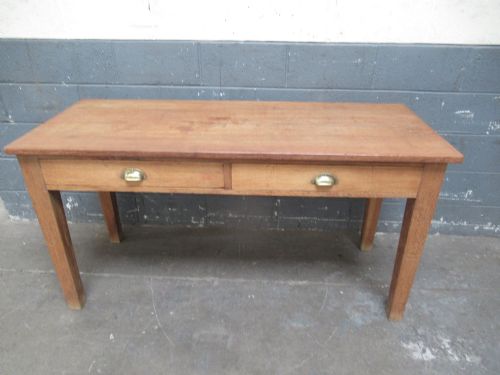
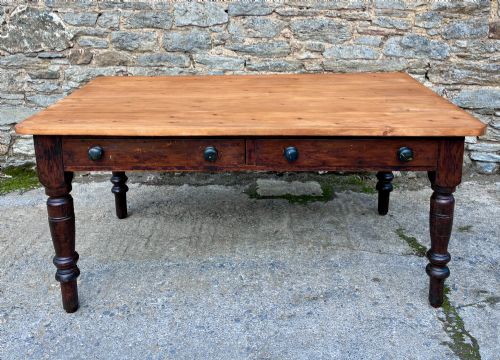
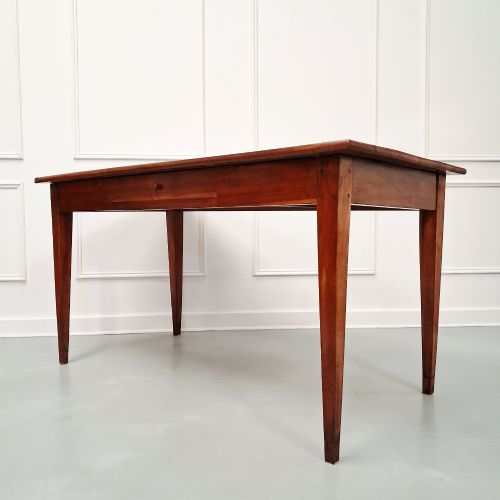
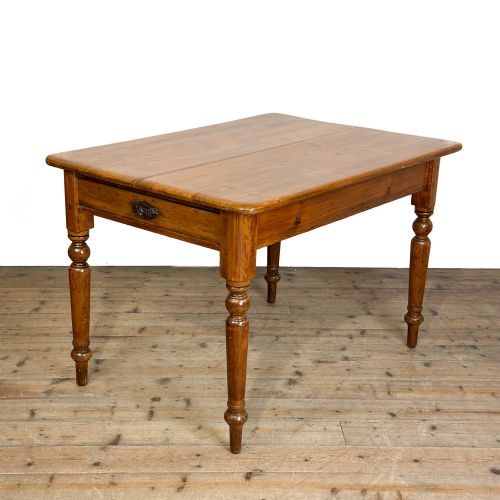
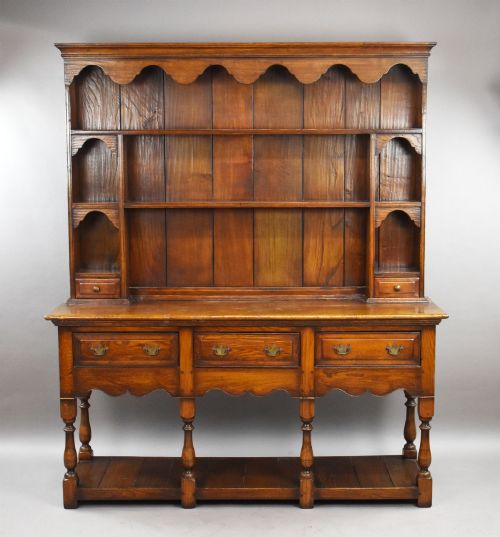
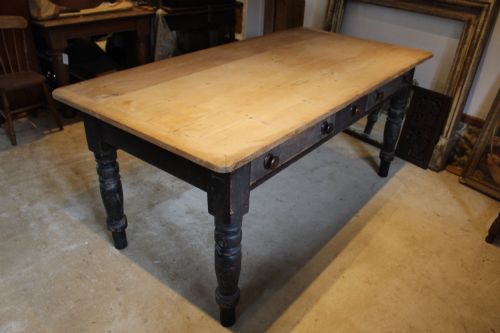
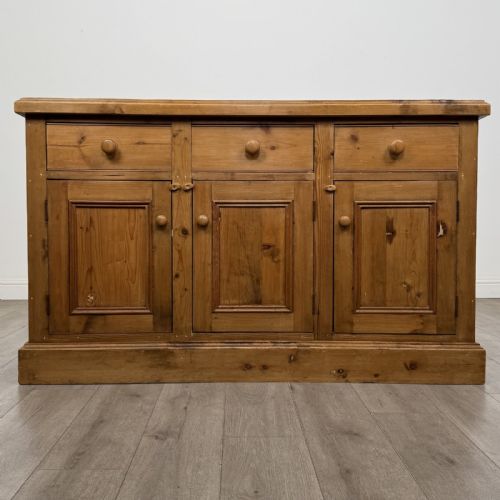
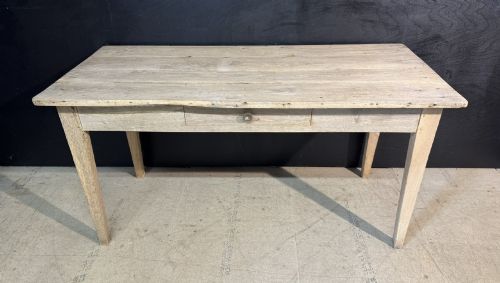
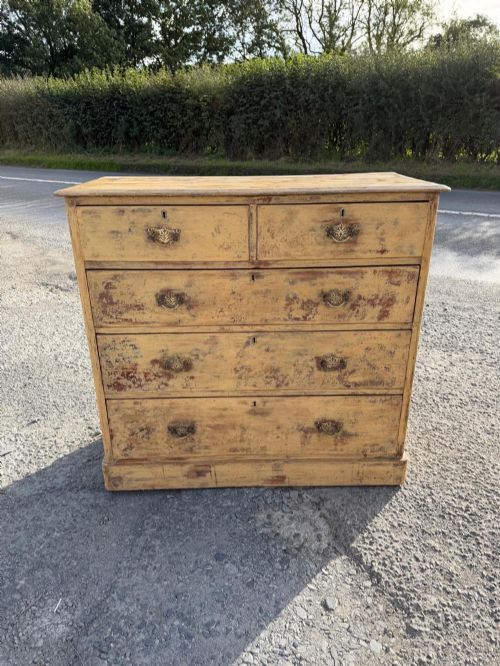
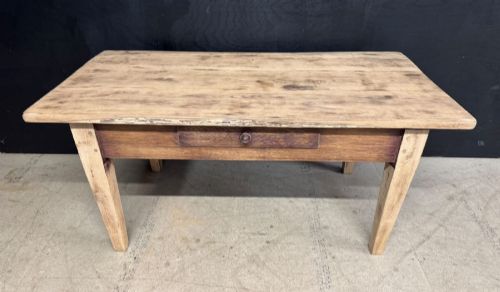
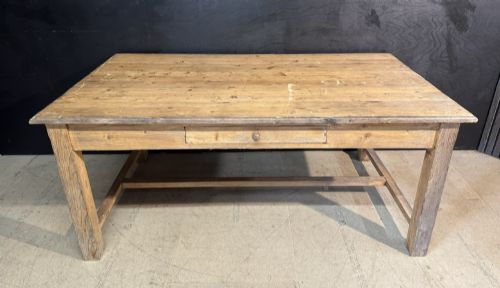
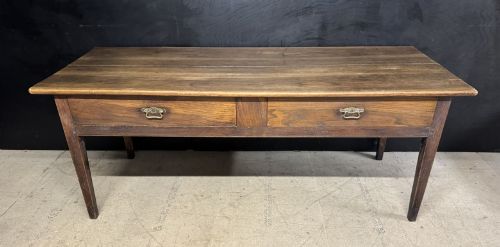
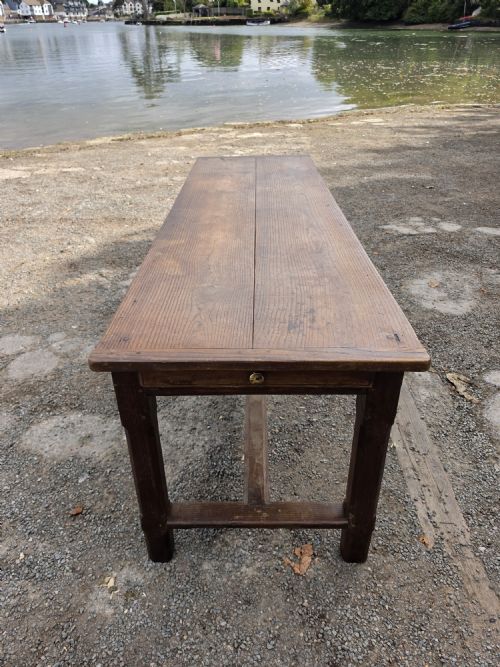
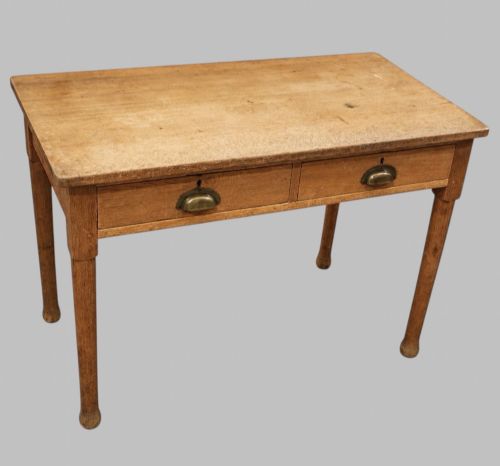
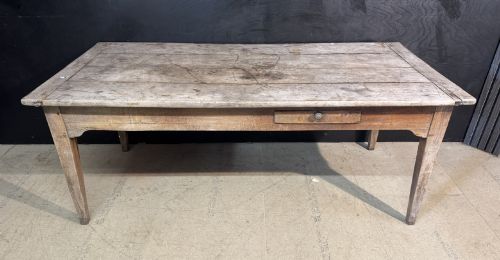
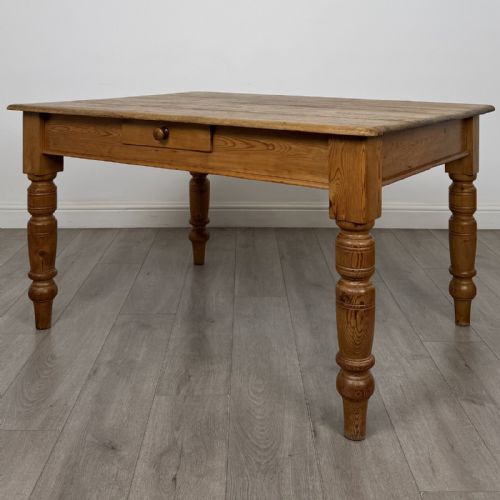
When buyers search for antique farmhouse drawers, they encounter sturdy storage pieces and work tables equipped with deep compartments for domestic storage. The selection spans robust chest of drawers formats alongside kitchen tables, prep tables, and dresser bases featuring integrated drawers.
Origins stretch across English and French country houses, utilising practical forms built to withstand decades of heavy use in sculleries, kitchens, and dairies. The most common survivals on this page are pine and oak pieces originating from the nineteenth century, often retaining traces of original paint or wax finishes.
How they were made
Cabinetmakers relied on durable regional timbers such as pine, oak, chestnut, ash, and fruitwood to construct carcases and table frames that endured constant kitchen work. Drawers were integrated directly beneath scrub tops or within dresser bases using traditional joinery, occasionally incorporating brass hardware or iron fittings.
Surfaces frequently show the marks of hand tools, adze work, and centuries of scrubbing, while paint finishes applied to pine bases range from original decorative coats to later layers accrued over decades of domestic life.
Antique Farmhouse Drawers Retail Price Guide 2026
Typical asking prices for farmhouse drawers among the pieces listed under this phrase on Sellingantiques today, from the lower quarter to the upper quarter. They describe what is for sale here now, not the wider market.
The inventory combines dining tables, coffee tables, and console prep tables with traditional drawer units and dresser bases.
What varies in quality
Quality rests in the integrity of the timber selection and the retention of authentic structural elements like original scrub tops, unaltered drawer configurations, and untouched painted surfaces. Pieces that retain their original brass or iron pulls and exhibit honest wear from daily use command greater interest than heavily restored examples.
Construction details distinguish standard utility pieces from exceptional workshops, visible in the thickness of twin plank chestnut tops, the precision of dovetail joints within the drawers, and the overall balance of turned legs or end stretcher supports.
The Antique Farmhouse Drawers Glossary
- Scrub top
- A solid timber tabletop designed to be scrubbed clean with water and sand after food preparation. It usually displays a pale, weathered patina from generations of cleaning.
- Dresser base
- The lower section of a kitchen or dining cabinet featuring cupboards and drawers without the upper plate rack. These sturdy counters served as main work surfaces in country houses.
- Refectory table
- A long, narrow dining table traditionally built for communal dining halls. Country versions utilise heavy timber planks supported by robust stretchers.
- Prep table
- A utilitarian work table designed for kitchen tasks, frequently fitted with one or more drawers for utensils. They prioritise stability and workspace over ornamentation.
- Chest of drawers
- A vertical storage unit containing multiple horizontal drawers arranged one above another. Country examples often feature a two-over-three drawer configuration in pine or oak.
Antique Farmhouse Drawers: Frequently Asked Questions
How do I clean an antique scrub top?
Clean timber scrub tops using a soft brush and warm soapy water, avoiding harsh chemical strippers that ruin the aged patina.
Dry the surface thoroughly afterwards to prevent warping and maintain the natural grain of the wood.
Can I use a prep table in a modern kitchen?
These tables adapt easily to contemporary spaces as central kitchen islands or side counters for food preparation.
Their integrated drawers provide convenient storage for utensils while the timber surfaces add warmth to modern interiors.
How do I identify original paint?
Examine the surface under natural light to check for craquelure, wear patterns, and underlying layers that indicate genuine age.
Original paint often shows softening around frequently touched areas like drawer edges and leg bases.
What is the difference between pine and oak furniture?
Pine offers a softer, lighter timber frequently finished with paint or wax for country kitchens and bedrooms.
Oak provides greater hardness and darker grain patterns, commonly found in Georgian dresser bases and refectory tables.