







Antique Ethnic Textile
These pieces are an antique ethnic textile, carrying the rich handwork and bold traditions of nomadic and tribal makers from the nineteenth and early twentieth centuries.
Antique Ethnic Textile
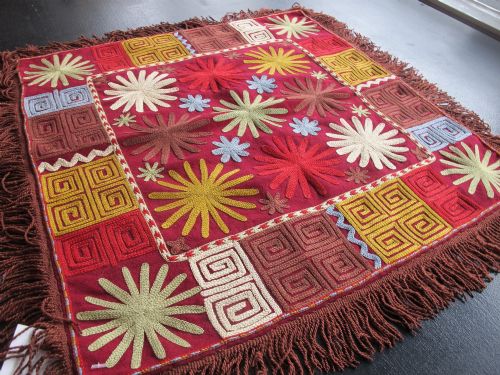
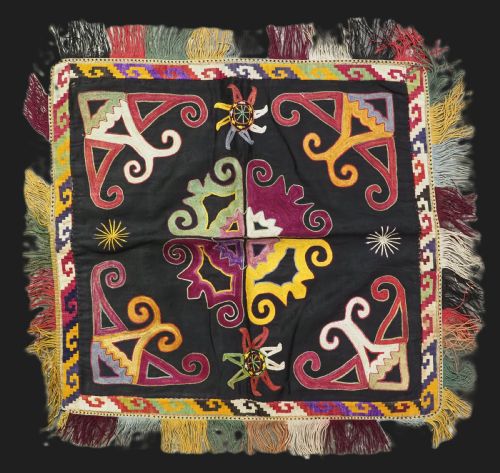
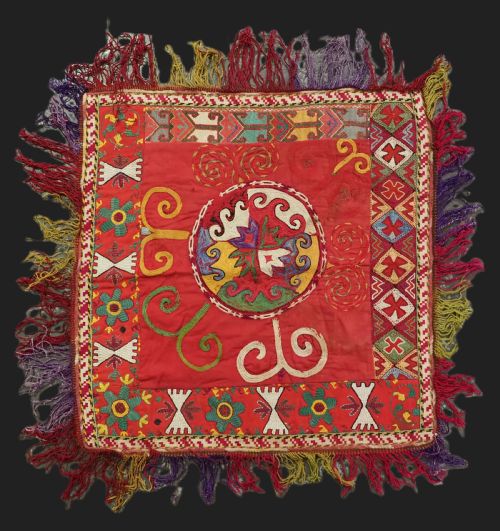
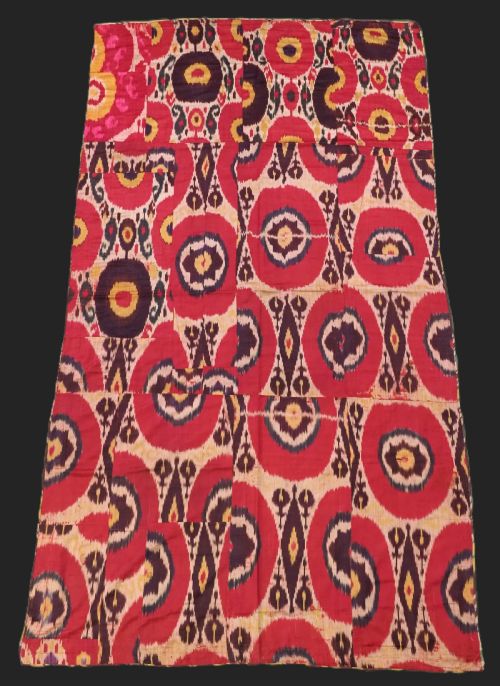
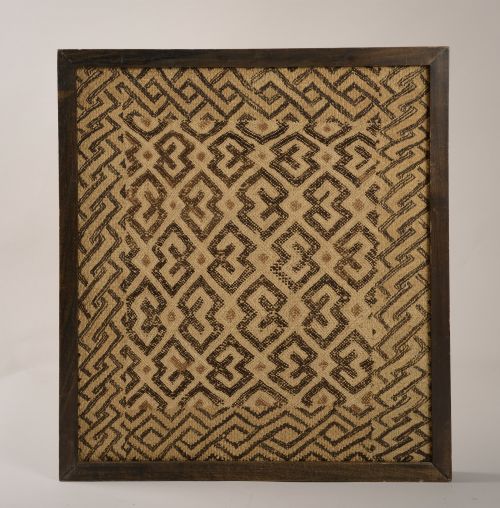
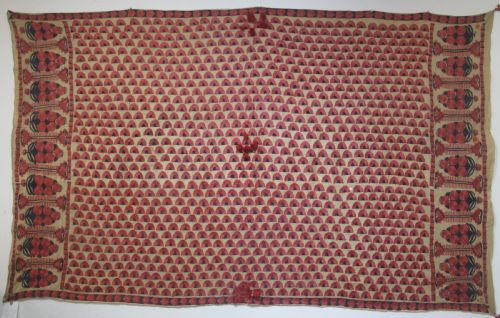
An antique ethnic textile encompasses a diverse range of tribal wall hangings, ceremonial garments, dowry embroideries, and domestic trappings originating primarily from Central Asia, Persia, and South Asia. The most common examples met on this page are silk-embroidered Suzanis, Lakai tribal ilgiches, and Turkmen bag faces dating from the mid-nineteenth century to the early twentieth century.
Makers utilised these textiles for both functional nomadic life and significant ceremonial events, producing horse covers, yurt bands, and bed decorations alongside wearable coats and shawls. Each form reflects the specific cultural identity and regional aesthetic of tribes such as the Uzbeks, Yomut, Teke, and Banjara.
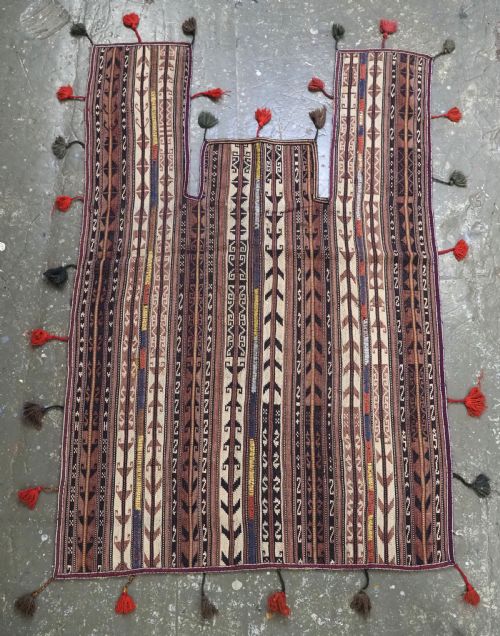
The selection ranges from dense embroidery panels intended for interior display to woven kilim cushions and practical horse blankets. Buyers encounter items varying from small purses and fragment panels to large tent bands spanning many feet.
How they were made
Makers constructed these textiles predominantly using hand-spun wool, cotton grounds, and lustrous silk thread, combining weaving and needlework techniques. Silk embroidery stitches executed on cotton foundations create the vibrant surface texture seen on Suzanis and tribal ilgiches.
Weaving methods include flat-woven kilim structures and heavy structural weaves for horse blankets and bag faces, often finished with wool fringe or backing materials. Natural dyes provide the enduring palette across silk ikat panels and wool carpets.
Certain pieces incorporate double-faced construction and intricate geometric or floral layouts, demonstrating advanced regional textile traditions passed down through generations.
Antique Ethnic Textile Retail Price Guide 2026
Typical asking prices for ethnic textile among the pieces listed under this phrase on Sellingantiques today, from the lower quarter to the upper quarter. They describe what is for sale here now, not the wider market.
Horses walked out in style too, thanks to elaborate ceremonial saddle blankets and festive covers woven by nomadic tribes.
What varies in quality
The density and precision of the needlework or weave separate exceptional examples from standard specimens. Rich chromatic depth and the complexity of the graphic design also dictate the visual strength of a piece.
Condition plays a role in the standing of an antique textile, though the integrity of the original ground fabric and surviving silk threads matter more than surface uniformity. Patina resulting from age and tribal usage contributes to the character of superior items.
The regional provenance and cultural significance of specific tribal types, such as Lakai or early Turkmen work, influence how highly collectors regard an individual textile.
Lakai Tribe·Yomut Tribes·Teke Tribes·Banjara Tribe
The Antique Ethnic Textile Glossary
- Suzani
- An embroidered wall hanging from Central Asia, traditionally made as part of a bride's dowry. These pieces feature bold floral and medallion patterns worked in silk thread on cotton grounds.
- Ilgich
- A small embroidered hanging or dowry piece produced by the Lakai tribe of Uzbekistan. They often display lively, geometric designs executed in vibrant silk.
- Torba
- A small utilitarian bag or storage face made by Turkmen nomadic tribes. They were typically hung inside tents for household storage.
- Ikat
- A dyeing technique where yarn is tied and dyed before weaving to create characteristic blurred pattern edges. Silk ikat fabrics and coats from Bukhara showcase this method.
- Kilim
- A flat-woven carpet or textile lacking a pile. Makers utilised this technique for floor coverings, cushions, and structural panels.
Antique Ethnic Textile: Frequently Asked Questions
What is a Lakai ilgich?
A Lakai ilgich is a specific type of embroidered dowry piece created by the Lakai Uzbek tribes. These works are distinguished by dynamic, abstract geometric motifs.
Makers utilised bright silk threads on dark or contrasting grounds to produce these energetic panels, which were intended for wall display.
How do I care for an antique textile?
Protect antique textiles by keeping them away from direct sunlight, which can fade natural silk and cotton dyes over time. Gentle rotation and avoiding moisture prevent structural degradation.
Mount hanging textiles using professional conservation methods that distribute weight evenly across the fabric rather than pinning through the material.
How can I tell the age of a tribal textile?
Age is determined by examining the types of materials, natural dye palettes, and structural wear consistent with nineteenth and early twentieth-century production. Hand-spun wool and early silk characteristics offer key indicators.
Stylistic conventions and regional motifs also help place pieces within specific decades, such as the transition from mid-nineteenth-century work to 1920s output.