


Antique Etched Artwork
Antique etched artwork encompasses centuries of printed plates, framed prints and historic engravings produced from the seventeenth century through the early twentieth century.
Antique Etched Artwork
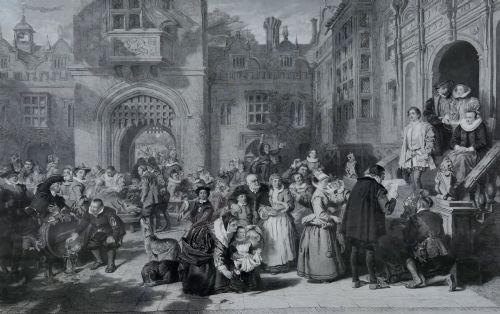
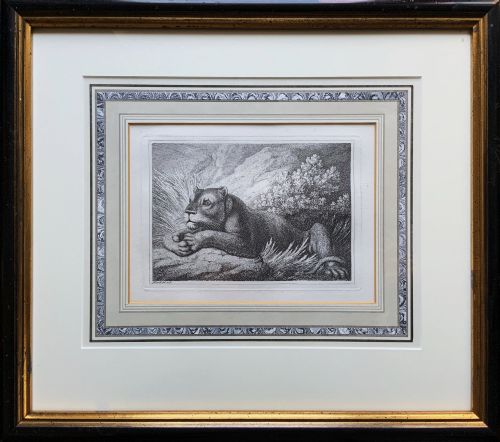
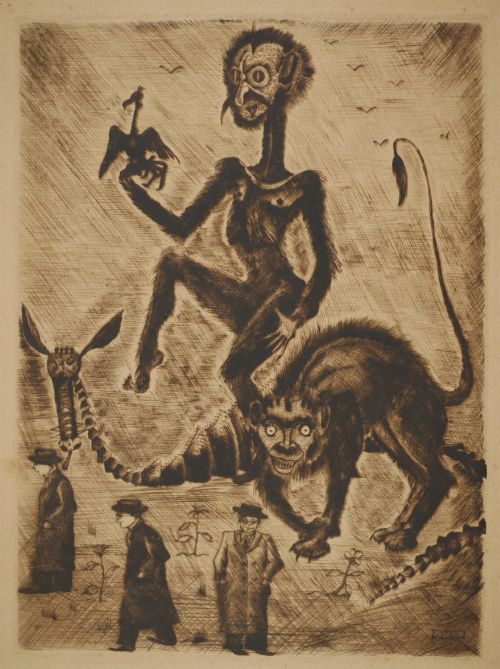
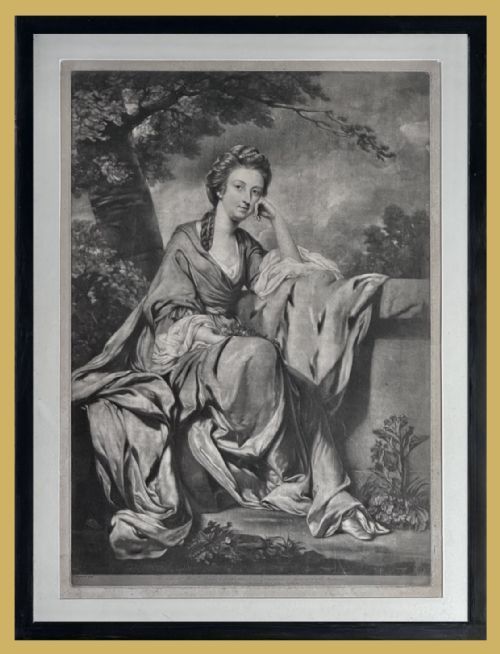
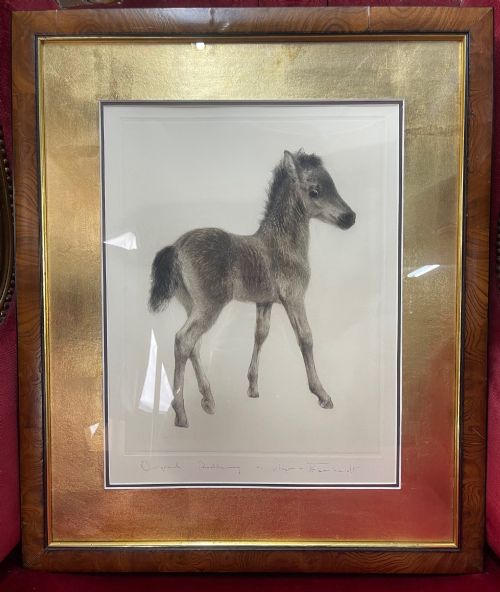
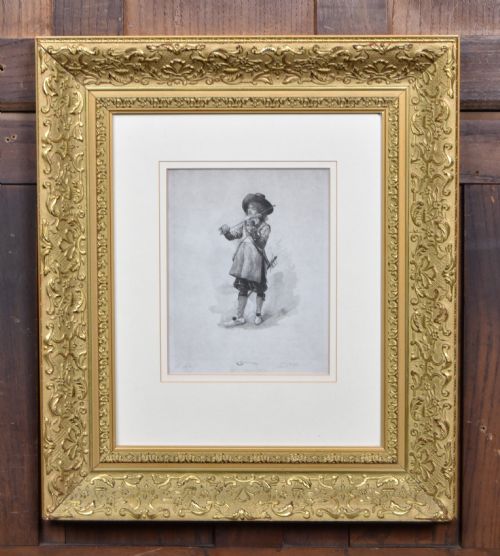
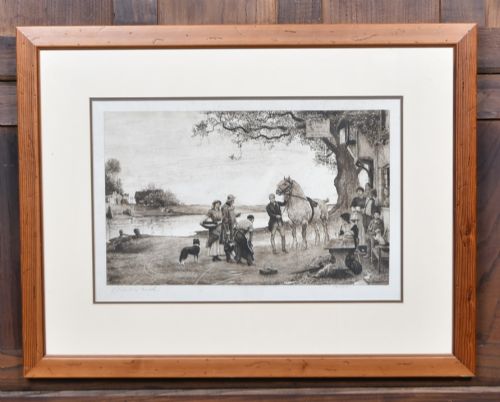
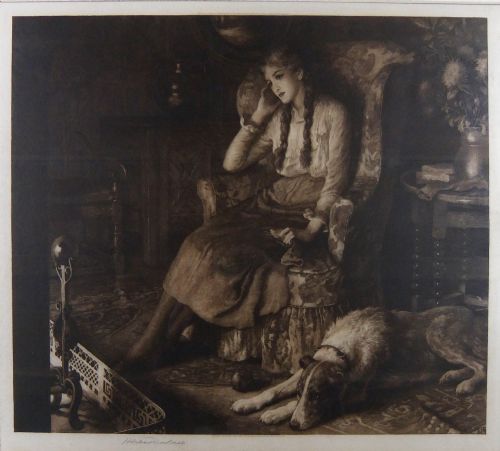
When you examine antique etched artwork on this page, you encounter a diverse range of printed objects spanning from seventeenth-century Baroque interpretations to twentieth-century artist proofs. The selection covers framed prints, wall art, engravings and mezzotints created across various European schools.
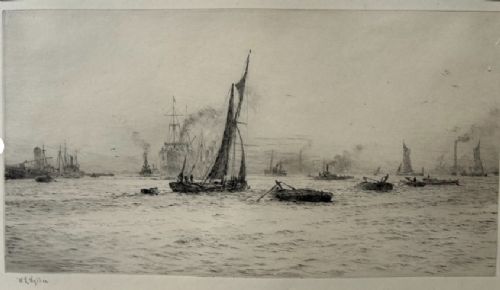
The most common pieces you will meet originate from the nineteenth and early twentieth centuries, including domestic animal studies, coastal river scenes and Grand Tour souvenirs. These items appear mounted behind glass in period frames such as oak or gilt wood.
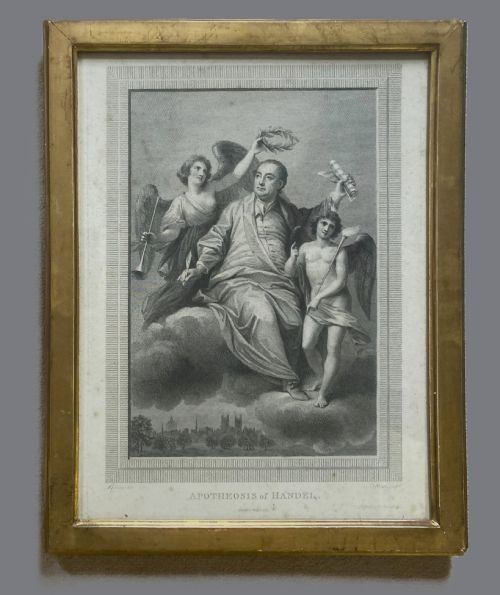
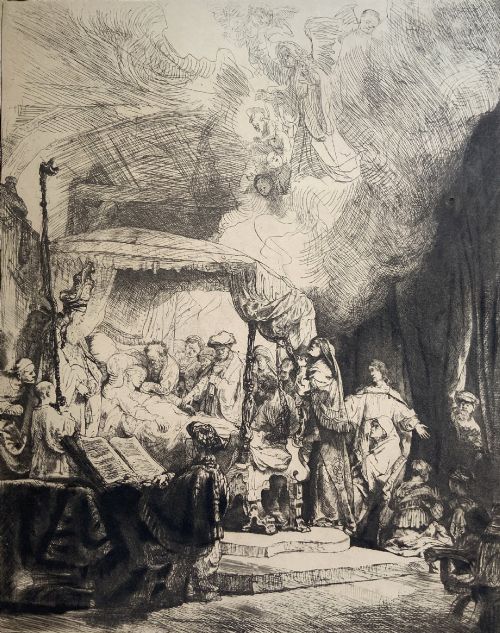
Earlier examples bridge the seventeenth and eighteenth centuries, presenting mythological scenes, classical antiquities and historical portraits by notable printmakers. Such works demonstrate the enduring tradition of intaglio printing techniques on paper and vellum substrates.
Materials and production methods
Makers produced these works using traditional intaglio methods, pressing inked metal plates into dampened paper or vellum under heavy pressure. Artists utilised copper or zinc plates, biting lines into the metal with acid or cutting them directly with a drypoint needle or burin.
Substrates consist primarily of laid or wove paper alongside occasional examples printed on vellum. Finished impressions frequently incorporated hand-colouring with watercolour washes or gold leaf highlights applied to the monochrome ink base.
Framing materials reflect the period of production, utilising carved gilt wood, dark oak, or traditional Hogarth frames. Glazing protected the delicate paper surfaces from environmental damage while securing the work for domestic display.
Antique Etched Artwork Retail Price Guide 2026
Typical asking prices for etched artwork among the pieces listed under this phrase on Sellingantiques today, from the lower quarter to the upper quarter. They describe what is for sale here now, not the wider market.
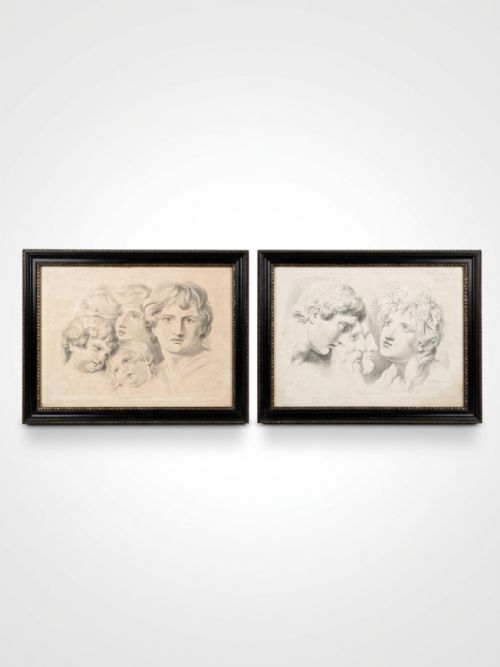
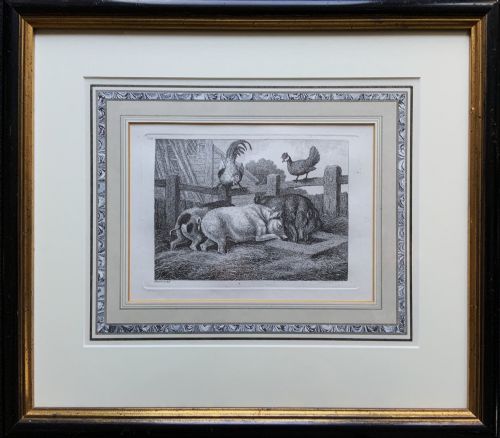
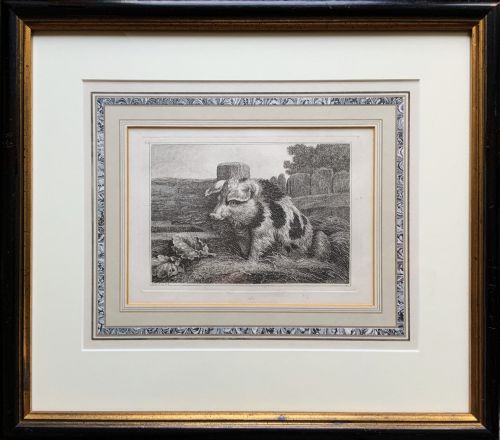
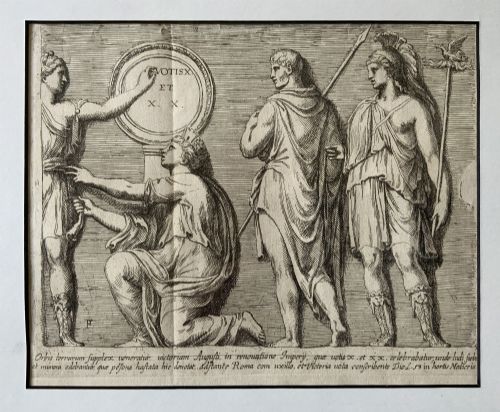
Several listings capture unexpected household moments, featuring stubborn farmyard pigs and leopard companions sharing domestic domestic prints with classical Roman deities.
Distinctions in quality
The clarity and crispness of the plate impression separate superior impressions from worn later printings. Early pulls display sharp, distinct burr on drypoint lines and deep ink saturation, whereas later strikes lose fine details as the metal plate degrades.
The presence of an artist's signature in pencil elevates a piece beyond unsigned or posthumous editions. Limited artist proofs indicate closer supervision by the creator during the printing process.
Condition of the paper and integrity of the original framing contribute significantly to desirability. Clean sheets free from heavy foxing or moisture staining preserve the visual balance intended by the printmaker.
Samuel Howitt·François Perrier·William Lionel Wyllie·Herbert Dicksee·Louis Icart
The Antique Etched Artwork Glossary
- Etching
- A printmaking process where an artist uses acid to cut lines into a metal plate protected by an acid-resistant ground. This method allows for fluid, spontaneous line work compared to rigid mechanical engraving.
- Drypoint
- An intaglio technique where the artist scratches directly into the metal plate with a sharp needle. This action raises a rough ridge of metal called a burr, which holds extra ink to create a rich, velvety line.
- Mezzotint
- A tonal printmaking method where the entire metal plate is roughened uniformly to produce solid black areas. Lighter tones are achieved by scraping and burnishing the plate to reduce its ink-holding capacity.
- Engraving
- A technique where a sharp tool called a burin cuts lines directly into a metal plate without the use of acid. The resulting lines possess clean, precise edges and uniform depth.
- Vellum
- A fine parchment material prepared from calfskin, used as a durable and smooth substrate for printing. It absorbs ink differently than paper, yielding distinctive tonal qualities in proofs.
- Artist Proof
- An impression printed outside of the regular commercial edition, retained by the artist for personal review or sale. These early pulls often demonstrate superior quality and detail.
Antique Etched Artwork: Frequently Asked Questions
How do I care for antique etched artwork?
Keep prints away from direct sunlight to prevent the ink and paper from fading over time. Maintain stable humidity levels to protect the paper substrate and wooden frames from warping.
Ensure pieces remain framed behind protective glass, and consult a professional conservator if cleaning or restretching becomes necessary.
What is the difference between an etching and an engraving?
Etchings rely on acid to bite lines into a metal plate, producing softer, more fluid strokes. Engravings use a sharp steel tool to cut lines directly into the metal, resulting in crisper geometric precision.
Examining the lines under magnification reveals the rounded trench of an acid-bitten groove versus the clean V-shaped cut of a burin.
How can I tell an original print from a reproduction?
Original prints exhibit a characteristic plate mark where the edges of the metal plate pressed into the damp paper during printing. Under magnification, genuine impressions show raised ink lines and paper indentation rather than dot matrix patterns.
Modern mechanical reproductions lack the tactile plate impression and subtle tonal variations found in period intaglio works.
What periods do these artworks cover?
The collection spans several centuries, starting from seventeenth-century Baroque plates through eighteenth-century portraits and nineteenth-century rural scenes. Twentieth-century works extend into the Art Deco era and the interwar period.
Style shifts from classical antiquity and Dutch Golden Age interpretations to Victorian narrative subjects and early modernist animal studies.