



Antique Equine Canvas
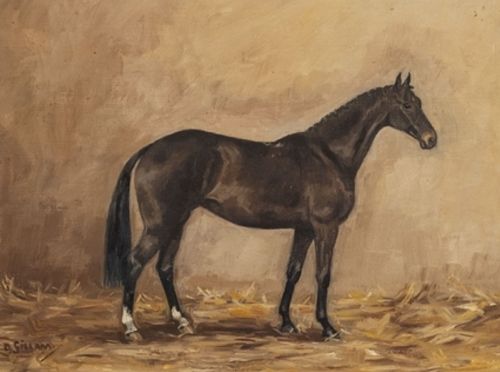
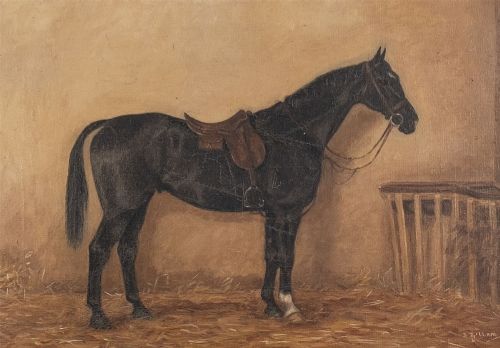
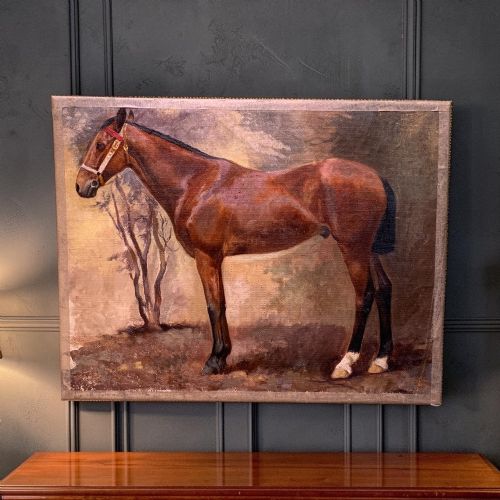
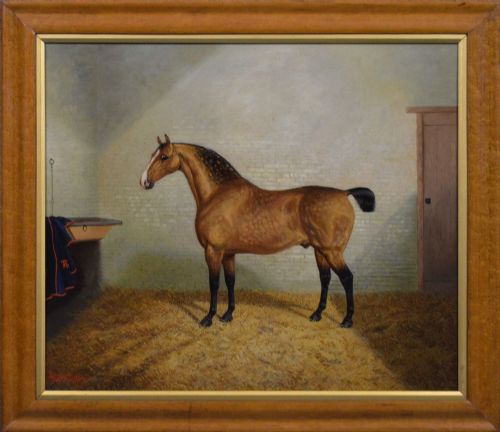
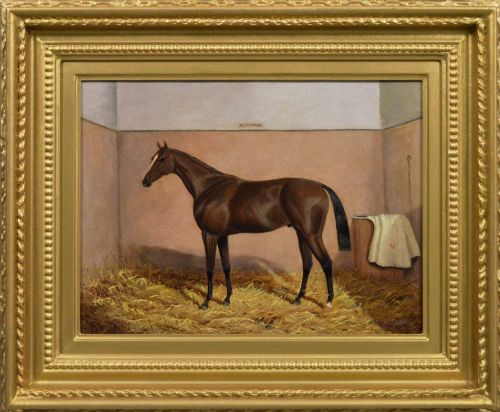
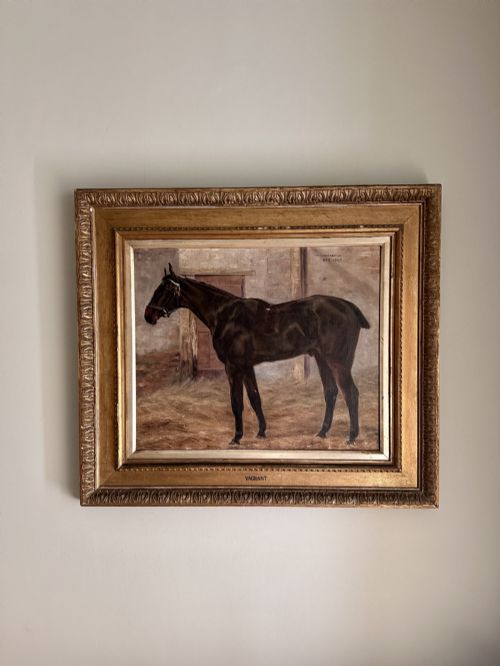
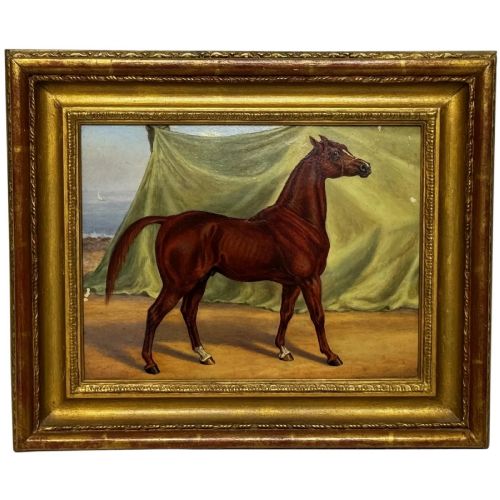
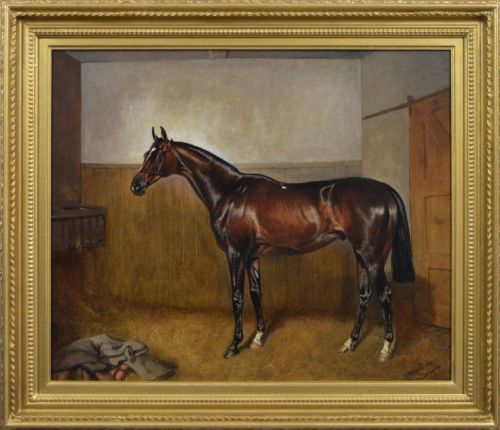
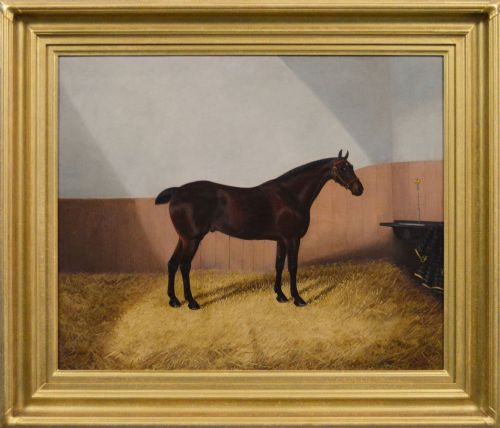
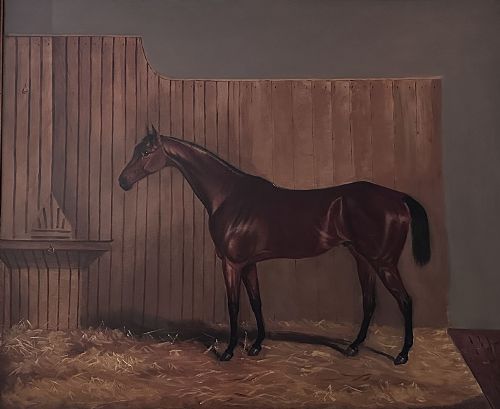
These antique equine canvas works capture the muscle, spirit and pedigree of horses through the focused lens of nineteenth and early twentieth-century painters.
Antique Equine Canvas
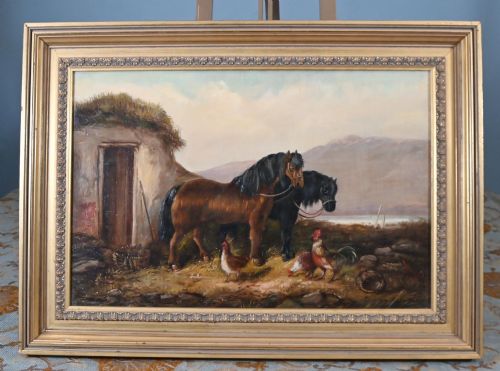
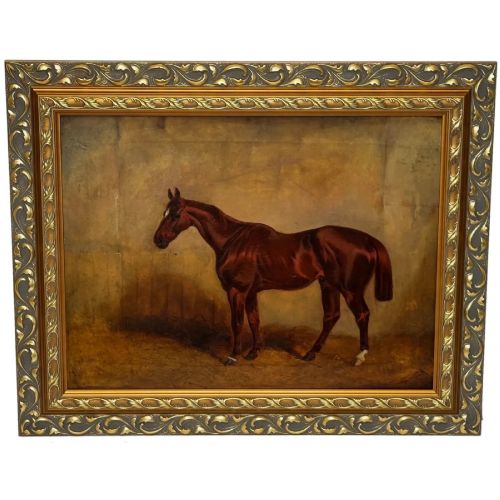
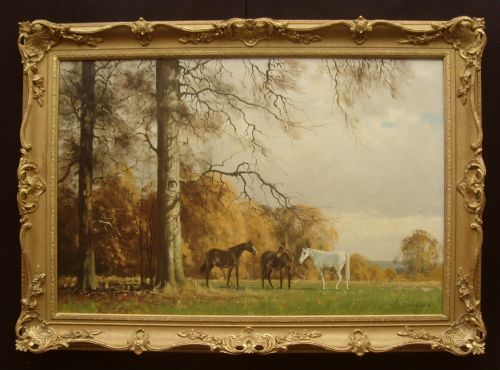
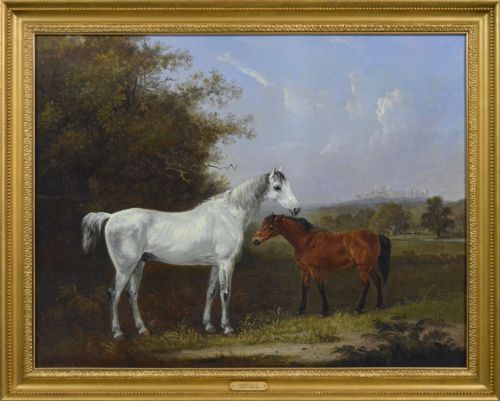
An antique equine canvas brings the rich traditions of sporting art and portraiture directly into a room. When you examine this selection, you encounter representations ranging from individual racehorses and champion hunters to stable scenes and rural working animals.
Most pieces you meet here belong to the nineteenth century or the Edwardian era, reflecting a time when equestrian culture held a central place in society. Artists recorded specific named animals, often documenting famous winners or treasured family mounts with careful anatomical attention.
The subjects extend beyond solitary portraits to include horses within pastoral landscapes, coastal views or racing settings. These compositions provide a window into past rural life, agricultural practices and the heritage of bloodstock breeding.
Materials and Method
The foundation of these works is oil paint applied to woven canvas, a combination prized for its longevity and depth of colour. Painters built up the horse's coat and musculature through careful layering, using the medium to capture the sheen of a bay or chestnut hide.
Frames play an integral role in presentation, with many surviving examples set in period giltwood and gesso mouldings. These ornate wooden surrounds often feature decorative relief work that complements the traditional subject matter.
Antique Equine Canvas Retail Price Guide 2026
Typical asking prices for equine canvas among the pieces listed under this phrase on Sellingantiques today, from the lower quarter to the upper quarter. They describe what is for sale here now, not the wider market.
The listings include works rendered in oil on canvas, housed within period giltwood and gesso frames.
Evaluating the Work
Quality in these paintings rests primarily upon the artist's command of equine anatomy and the expressive character given to the animal. A finer hand renders bone structure, tension in the legs and light in the eye with convincing precision.
The treatment of the surrounding landscape or stable interior also distinguishes the work. Stronger pieces integrate the horse naturally into its environment rather than treating the background as a generic backdrop.
Edmund Bristow·Albert Clark·Fred Fitzpatrick·John Alfred Wheeler·Thomas Walker Bretland·John Ferneley Senior·George E Sharpe·Eugene Joseph Verboeckhoven·John Frederick Herring·Benjamin Cam Norton·Clifton Tomson·Alfred Moginie Bryant·Arthur Winter Shaw·Abraham Cooper·Charles Bilger Spalding·George Goodwin Kilburne·Ernest Higgins Rigg·Walter Herbert Wheeler
The Antique Equine Canvas Glossary
- Canvas
- A heavy woven fabric stretched across a wooden frame to serve as the support for oil paintings. It provides a flexible yet durable surface that responds well to traditional layering techniques.
- Giltwood
- Wood carved and coated with a thin layer of gold leaf or metallic powder. It forms the lustrous surface of traditional antique picture frames.
- Gesso
- A plaster-like preparation mixture used as a base on wooden frame mouldings before gilding. It allows craftsmen to carve crisp decorative details.
- Sporting Art
- A genre of painting dedicated to equestrian subjects, hunting, racing and rural pastimes. It gained immense popularity during the Georgian and Victorian periods.
- Provenance
- The documented history of ownership of a work of art. It helps establish authenticity and traces the path of the painting from its creation.
Antique Equine Canvas: Frequently Asked Questions
Are these paintings signed by the artists?
Many works bear the signature or monogram of the painter, often found discreetly in a lower corner. Some pieces also include inscriptions on the reverse naming the horse or the owner.
Unsigned works remain common from this era, particularly when created by followers of a particular school or workshop rather than a master.
What periods do these canvases represent?
The selections span from the Georgian era through the Victorian period and into the early twentieth century, including Edwardian works. Each era brings subtle shifts in framing styles and painterly technique.
Victorian and Edwardian pieces frequently document specific racehorses or prize-winning livestock with detailed historical records attached to their provenance.
How were these horse portraits used originally?
Wealthy owners commissioned portraits of their prized racehorses, hunters and hacks to celebrate victories on the turf or loyalty in the field. These canvases hung in country houses, estate offices and stable complexes.
Other scenes served to record rural working life, featuring horses alongside farm animals, carts and handlers in traditional landscapes.