




Antique Equestrian Stick
These antique equestrian stick pieces combine practical sporting heritage with period craftsmanship, offering collectors a tangible link to nineteenth-century riding culture.
Antique Equestrian Stick
When you search for an antique equestrian stick, you encounter a specialised range of items spanning walking canes, pins, and utilitarian country house furnishings. The pieces on this page heavily feature nineteenth-century and Victorian origins, alongside Regency and Edwardian examples tied to hunting, racing, and riding.
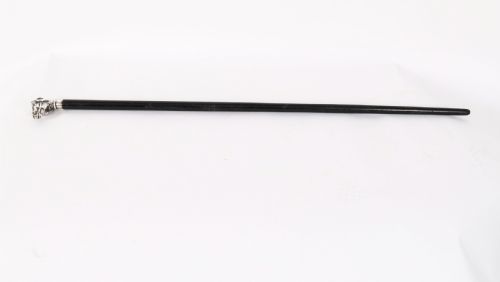
Walking canes dominate the larger objects, frequently fitted with silver or carved horse head handles alongside sword stick variations. Smaller personal items appear regularly as gold stick pins and brooches depicting horse heads, jockey caps, or hunting bugles.
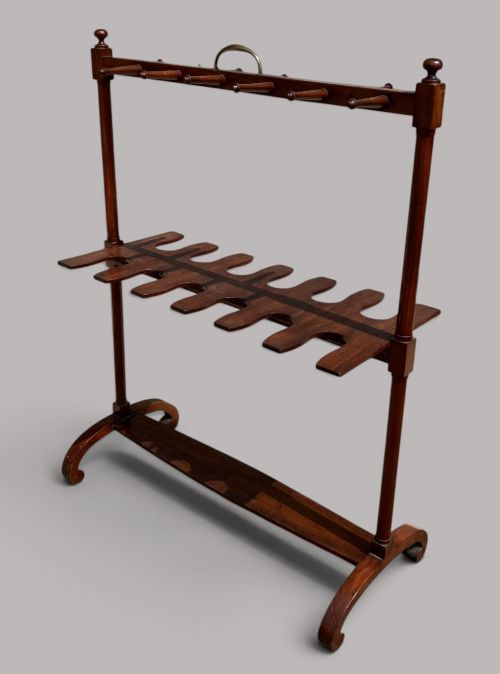
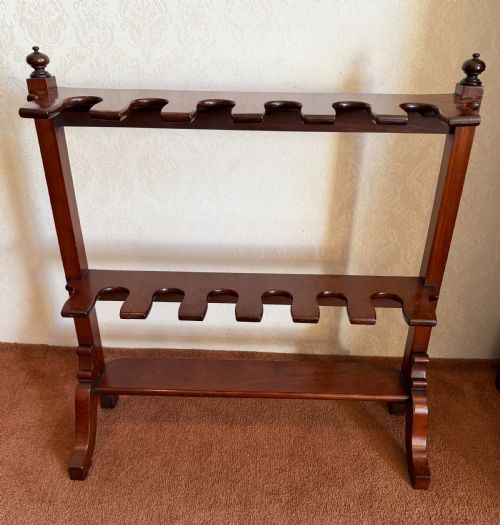
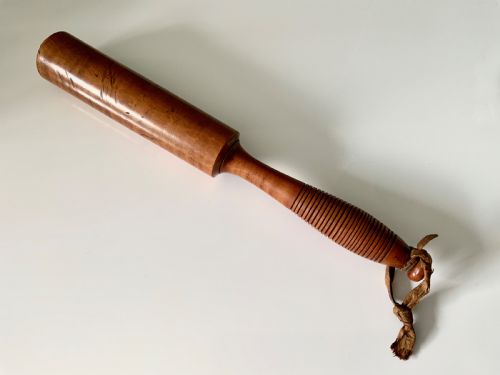
Functional items for the stable and hall also populate the selection, ranging from mahogany whip and boot stands to tack room furniture and veterinary mallets. These larger wooden items establish the domestic and estate context in which the smaller personal accessories were utilised.
Materials and construction methods
The construction of these pieces relies heavily on dense hardwoods like mahogany and satin birch, shaped into sturdy walking shafts, boot racks, and tack room stands. Precious metals such as nine-carat and eighteen-carat gold, paired with silver and brass, provide the detailed mounts and decorative handles found on canes and pins.
Specialised decorative techniques elevate the metalwork and carved elements, utilising gemstones like garnets and diamonds alongside reverse-carved Essex crystals to depict sporting subjects. Woodworking methods focus on durability and clean joints, ensuring pieces meant for daily estate use or sporting pursuits endured decades of handling.
Listings feature items spanning the Regency, Victorian, and Edwardian periods, constructed from mahogany, silver, gold, and brass.
Distinctions in craftsmanship and design
Quality in these pieces rests upon the precision of the carving and the fidelity of the animal anatomy rendered in silver, gold, or wood. Superior examples display life-like proportions in horse head handles and crisp detailing in engraved or cast metal motifs.
The choice of materials significantly divides the standard items from the exceptional, particularly where precious gemstones, high-carat gold settings, or signed artistic works are integrated into the design. Condition and structural integrity within utilitarian items like boot stands and walking sticks further separate average survivals from prime collection pieces.
The Antique Equestrian Stick Glossary
- Stick pin
- A long pin with a decorative head, worn upright in a cravat, tie, or lapel during the nineteenth and early twentieth centuries.
- Essex crystal
- A convex rock crystal backing a reverse-intaglio painting, creating a magnified, three-dimensional image often seen in antique sporting jewellery.
- Tack room
- A dedicated space in a stable where riding equipment, saddles, bridles, and whips are cleaned and stored.
- Sword stick
- A walking cane concealing a hidden blade within its wooden shaft, popular among gentlemen for personal protection during the nineteenth century.
- Fleam mallet
- A veterinary tool comprising a wooden mallet and a lancet blade used historically for bleeding horses and cattle.
Antique Equestrian Stick: Frequently Asked Questions
What is an antique equestrian stick?
An antique equestrian stick typically refers to a walking cane or riding crop featuring horse-related ornamentation, such as a carved equine head handle in silver, wood, or bone.
These pieces reflect the prominent place of horses in nineteenth-century transport and leisure, serving both as fashionable accessories and functional items for riders.
How were stick pins used historically?
Victorian and Edwardian gentlemen and ladies wore stick pins secured vertically through neckties, cravats, or heavy wool lapels to keep garments neatly fastened.
Sporting motifs like hunting bugles, jockey caps, and horse heads signaled the wearer's enthusiasm for equestrian pursuits and field sports.
What materials indicate higher value?
Pieces incorporating high-carat gold, sterling silver, or precious gemstones like diamonds and garnets generally command greater interest from collectors.
Signatures from known artists or exceptional hand-carved details in bone, ivory, and exotic woods also elevate a piece above standard mass-produced items.
How do I date a Victorian walking stick?
Dating relies on examining hallmarks on silver or gold mounts, the style of the handle carving, and the overall construction methods of the wooden shaft.
Comparing the object to dated catalogue examples or archival pieces helps narrow the decade of manufacture between the Regency and Edwardian eras.
How should I care for wooden boot stands?
Wooden tack room stands and boot racks benefit from a stable indoor environment away from direct heat sources and excessive moisture.
Applying a traditional beeswax polish occasionally helps nourish dry mahogany and satin birch surfaces without altering the historic patina.