


Antique Entryway Lighting
Antique entryway lighting brings character to a threshold, pairing sturdy metal frames with clear glass to welcome visitors.
Antique Entryway Lighting
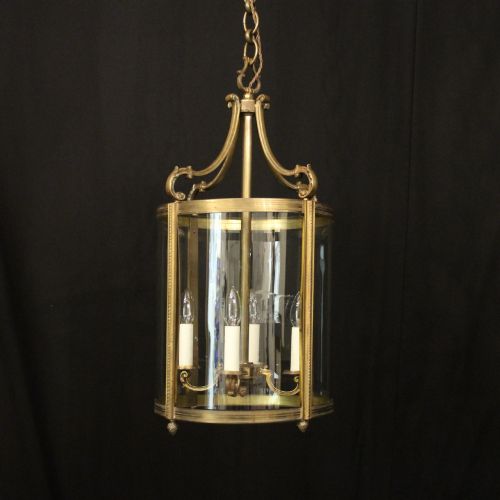
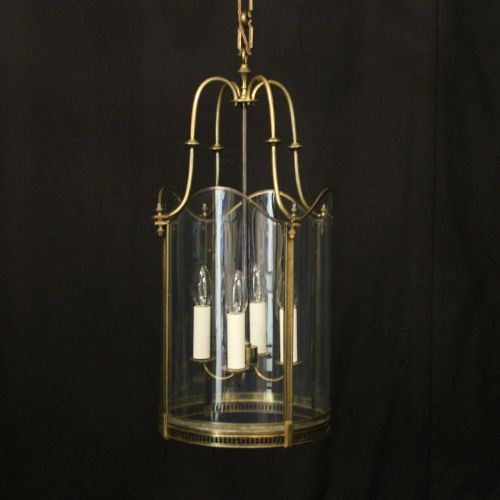
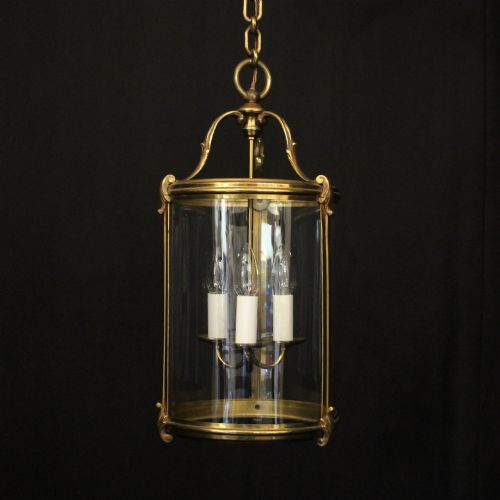
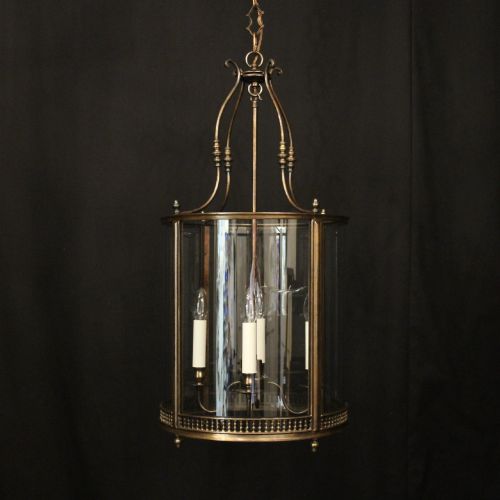
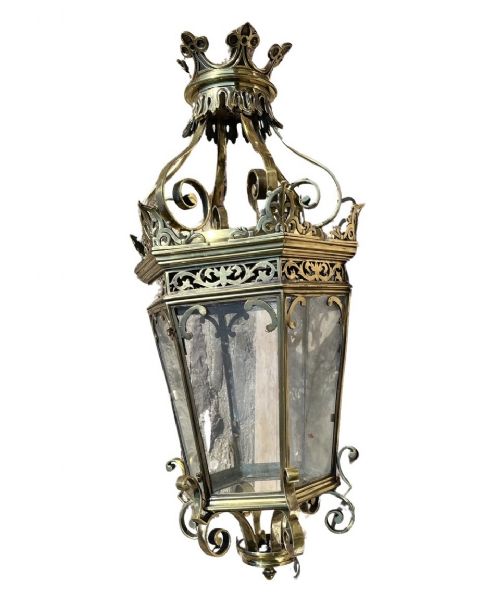
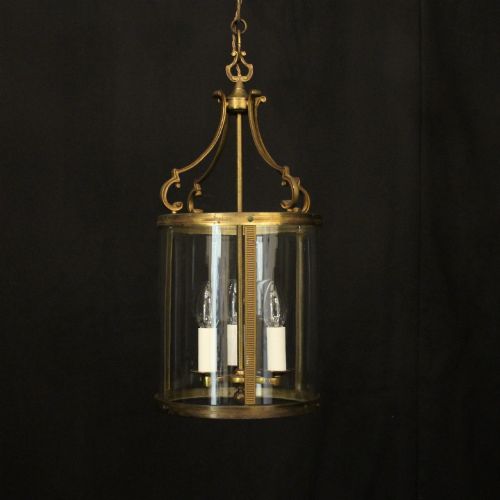
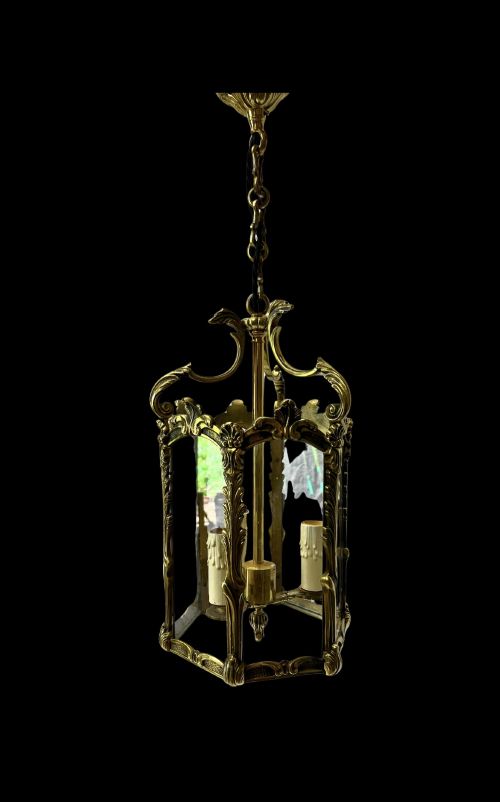
When searching for antique entryway lighting, buyers encounter a diverse selection of hall lanterns, ceiling lights, and wall lanterns designed to illuminate lobbies, porches, and hallways. The most prevalent pieces on this page are French and English hall lanterns dating from the nineteenth and early twentieth centuries, often featuring convex glass panes.
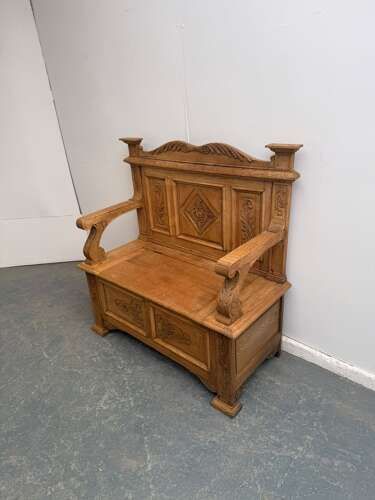
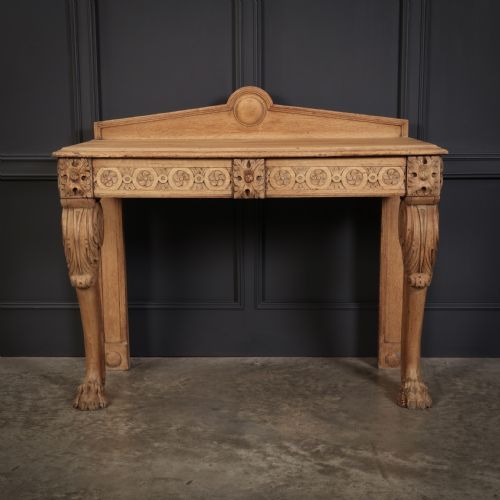
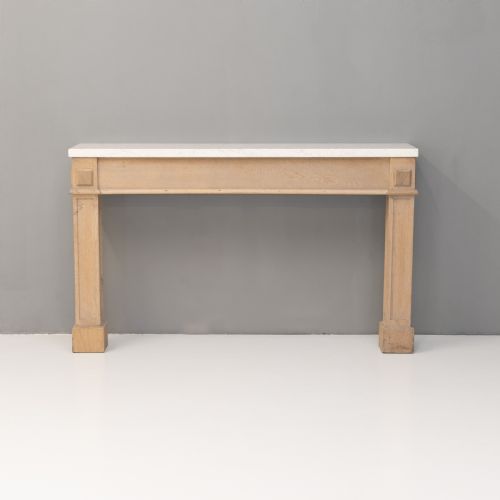
Beyond hanging lanterns, the inventory encompasses functional hall furniture such as carved oak console tables, benches, and settle seats. These items share a common purpose of furnishing a passage or vestibule with practical utility and period style.
Stylistic influences range from the ornate curves of French Rococo and Neoclassical designs to the robust simplicity of Arts and Crafts wrought iron and Gothic Revival woodwork. This mix reflects how different eras approached the decoration of a home's primary entrance.
Distinctions in quality
Quality in these items is determined by the crispness of metal casting, the weight of the bronze or brass framework, and the intricacy of hand-carved wooden details. Superior lanterns feature heavier gauge metals and well-fitted convex glass panes that sit securely within their frames.
On wooden items, the depth and execution of the carving, alongside the selection of solid oak rather than secondary timbers, separate standard pieces from finer examples. The integration of original hanging mechanisms and mounting hardware also influences the overall integrity of the piece.
Several oak hall tables feature carved green men peering out from the woodwork to guard the front door.
The Antique Entryway Lighting Glossary
- Hall lantern
- A hanging light fixture specifically proportioned for entrance halls and stairwells. These fixtures usually feature glass panels enclosed in a metal frame to project light evenly.
- Convex glass
- Curved glass panes used in lantern construction. This shape helps disperse light more broadly across an entryway.
- Console table
- A table designed to stand flat against a wall, frequently placed in entrance halls. They often support mirrors or serve as a surface for keys and post.
- Settle bench
- A wooden bench with a high back and solid arms, often incorporating a storage box beneath the seat. They were historically placed in draughty hallways to block cold air.
- Gilt bronze
- Bronze metal treated with a thin layer of gold leaf or applied gold powder. This technique provides a rich, lustrous surface finish resistant to tarnishing.
Antique Entryway Lighting: Frequently Asked Questions
Were these lanterns originally electrified?
Most pieces dating from the nineteenth and early twentieth centuries were originally designed for candles or gas lighting rather than electricity. They have since been adapted with internal lamp holders to meet modern domestic lighting standards.
This conversion process preserves the external antique metalwork and glass while allowing safe everyday use. Rewiring can usually be updated or inspected easily by an electrician during installation.
How do I clean antique brass and glass?
Dust brass and bronze frameworks regularly with a soft, dry cloth to prevent the buildup of grime. Avoid harsh chemical polishes that can strip away aged patinas or damage delicate gilt finishes.
Glass panels can be removed carefully or wiped in place using a mild glass cleaner applied to a cloth rather than sprayed directly. This prevents moisture from seeping into older electrical fittings or vulnerable wooden joints.
What distinguishes Arts and Crafts lighting?
Arts and Crafts lighting emphasises visible craftsmanship, sturdy materials like wrought iron or copper, and straightforward utilitarian forms. Ornamentation is minimal, focusing instead on the honest display of construction techniques and hammer marks.
These pieces contrast with the ornate gilding and curves found in French Chateau or Rococo designs. They suit interiors that favour simpler, robust architectural details.