



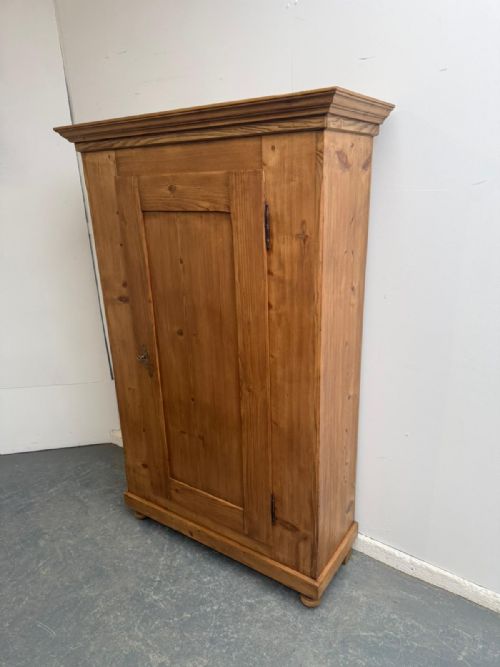


Antique Entryway Cupboard
An antique entryway cupboard is a practical hallway piece designed to store outerwear and welcome visitors, combining utility with period charm.
Antique Entryway Cupboard
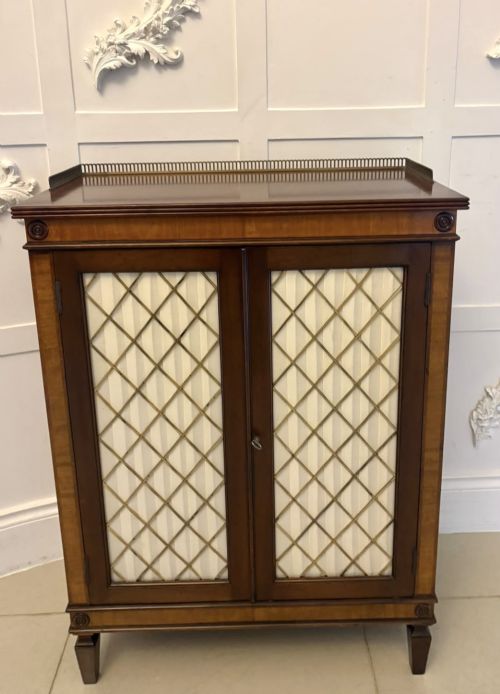
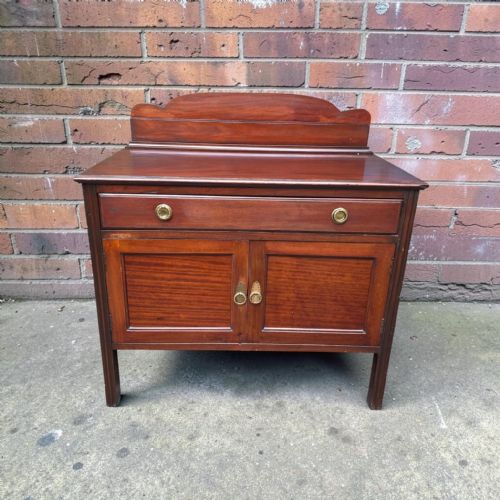
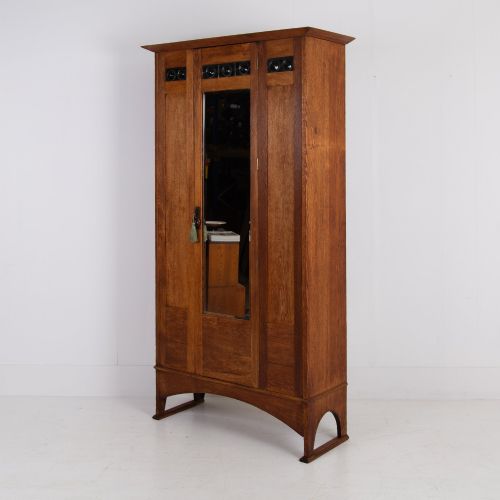
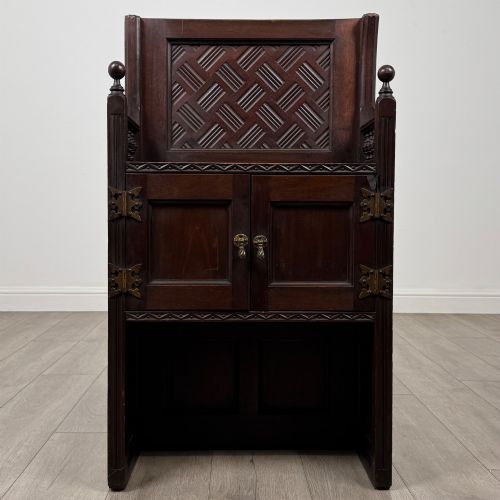
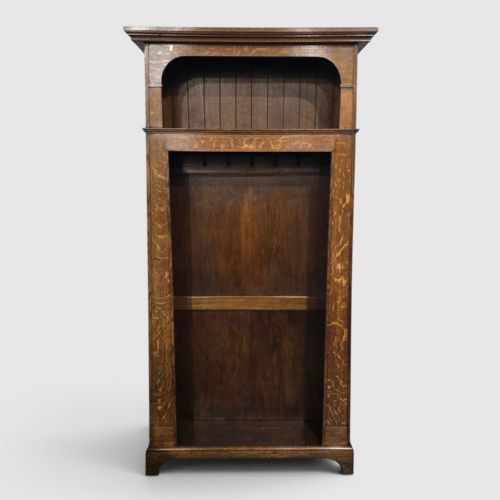
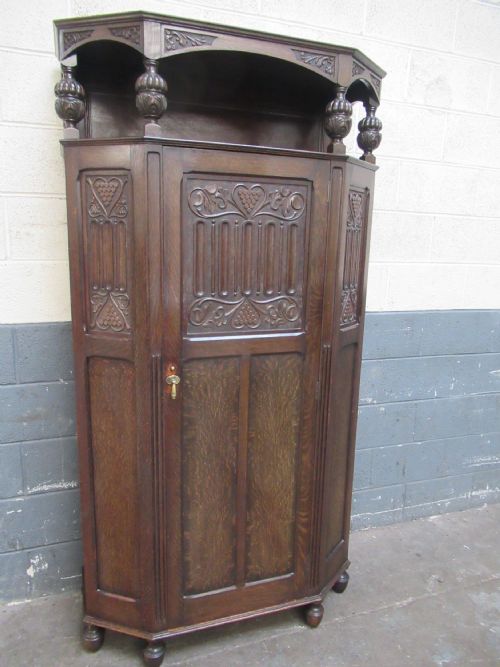
The selections span several distinct eras, drawing heavily from the Victorian, Edwardian, and Georgian periods alongside early twentieth-century examples. You meet pieces shaped by the Arts and Crafts movement, Jacobean Revival styling, and rustic farmhouse traditions.
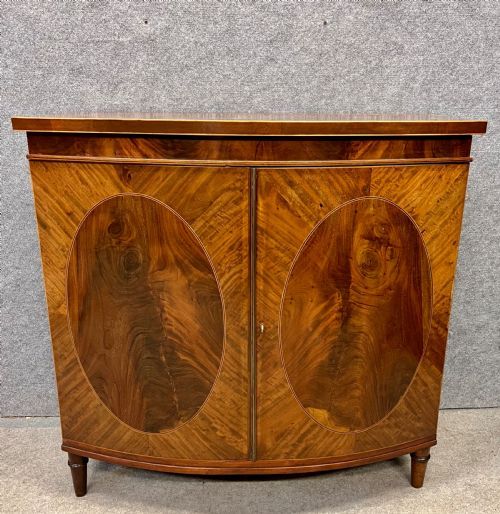
Materials vary from solid oak and rich walnut to waxed pine and mahogany, often enhanced by details such as linen fold doors, brass fittings, and satinwood inlay. Each form reflects the architectural preferences and domestic storage needs of its original period.
How they were made
Cabinet makers relied predominantly on solid timbers like oak, mahogany, and walnut, complemented by pine for internal elements and structural frames. Construction methods prioritised durability to withstand the daily demands of a busy hallway.
Surface decoration involved traditional techniques such as hand waxing, intricate carving, marquetry, and subtle satinwood inlay. Metalwork components, particularly brass handles and iron hooks, were chosen to endure regular use while adding a decorative finish.
Antique Entryway Cupboard Retail Price Guide 2026
Typical asking prices for entryway cupboard among the pieces listed under this phrase on Sellingantiques today, from the lower quarter to the upper quarter. They describe what is for sale here now, not the wider market.
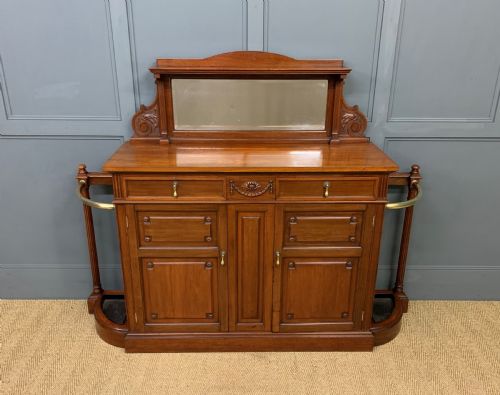
Some hall cupboards feature built-in umbrella wells complete with original metal drip trays, capturing the reality of British weather.
What varies in quality
The calibre of a piece depends largely on the selection of timber and the precision of its construction, with superior examples featuring finely figured grains and robust joinery. Finer execution shows in the crispness of hand-carved details and the careful matching of veneers.
Hardware integrity also distinguishes finer examples, where original brass or iron fittings remain intact and functional. The overall balance of proportions and the subtlety of decorative flourishes, such as marquetry or inlaid borders, further separate standard utilitarian items from more accomplished works.
Shoolbred & Co.
The Antique Entryway Cupboard Glossary
- Linen fold
- A carved wooden panel motif that mimics folded linen cloth. This technique gained popularity during the medieval period and saw revival in later styles like Jacobean.
- Marquetry
- The art of applying pieces of veneer to a structure to form decorative patterns. Craftsmen utilised various coloured woods to create pictorial designs on surfaces.
- Satinwood
- A durable, yellowish timber often used for contrasting inlay work. Its reflective grain catches the light effectively.
- Demi-lune
- A half-moon shape used for furniture surfaces and tables. This profile allows pieces to sit flush against a hallway wall.
- Hall robe
- A narrow wardrobe designed specifically for hallway placement. These items provide vertical hanging space for coats without obstructing narrow walkways.
Antique Entryway Cupboard: Frequently Asked Questions
How were these cupboards used?
Historically, households utilised these pieces to keep coats, hats, umbrellas, and walking sticks out of sight upon entering the home. Many incorporated integrated seats or mirrors to assist visitors before departure.
In modern settings, they perform a similar function, offering concealed storage to maintain a tidy and welcoming hallway.
How do I date an entryway cupboard?
Dating relies on observing construction methods, timber choices, and stylistic markers specific to eras like the Victorian or Edwardian periods. Hand-cut joints, original hardware, and characteristic decorative motifs offer strong clues to a piece's age.
Comparing the overall design to documented historical styles helps narrow down the decade of manufacture.
Will an antique hall robe fit my hallway?
Many entryway pieces, particularly shallow hall wardrobes and demi-lune cabinets, were specifically proportioned for narrow Victorian and Edwardian corridors. Their slim depths allow them to fit into restricted spaces without blocking passage.
Checking the specific depth and door clearance dimensions ensures the piece complements the proportions of your entranceway.