




Antique Entryway Cabinet
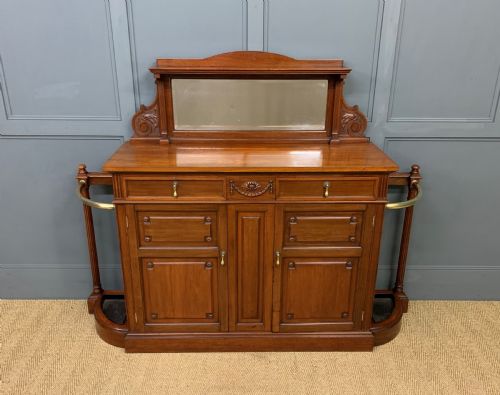
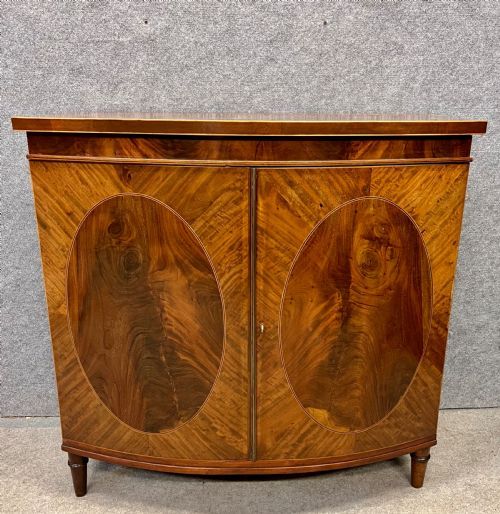
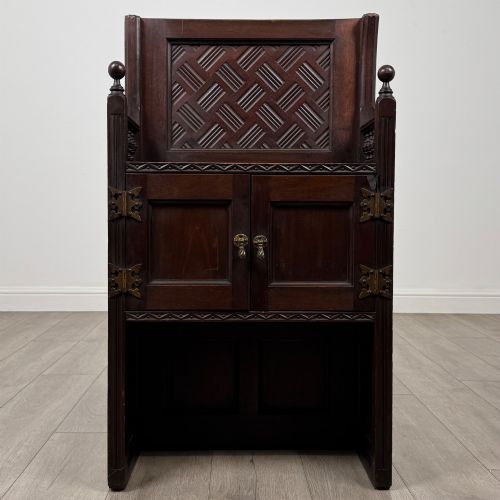
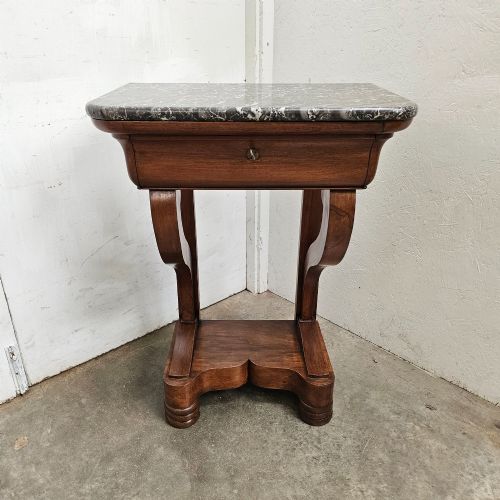
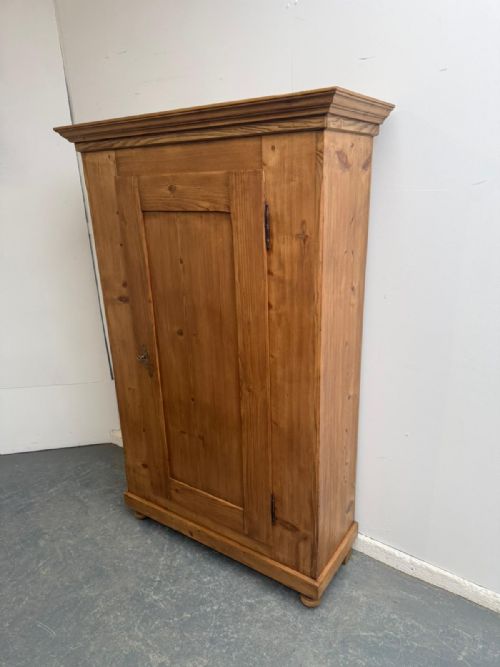
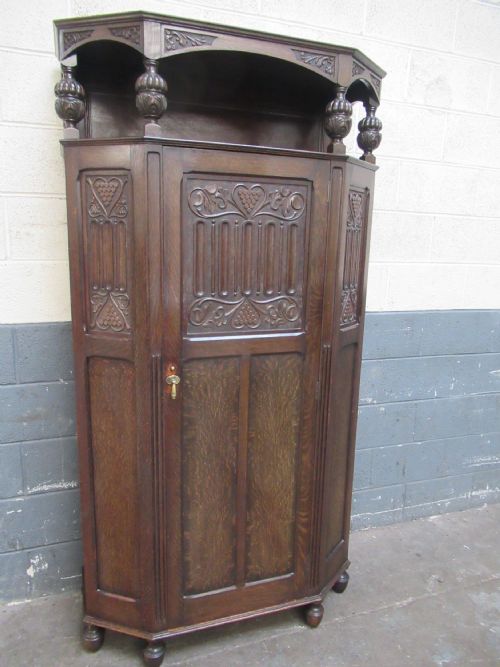
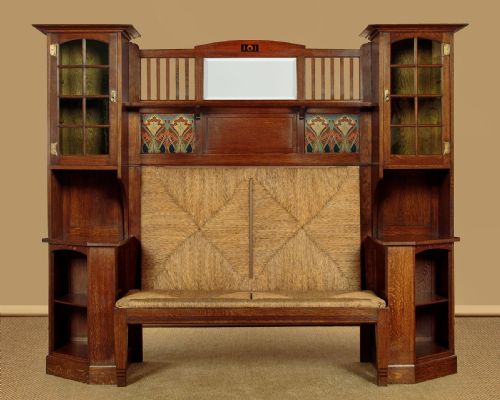
These antique entryway cabinet pieces provide practical storage and formal presence for the hall, ranging from Georgian pine to Edwardian mahogany.
Antique Entryway Cabinet
An antique entryway cabinet encompasses a varied group of hallway furniture including hall stands, cupboards, console tables, and hall seats designed to organise the threshold of a home. Buyers searching for an antique entryway cabinet will encounter diverse forms, with Edwardian and Victorian examples appearing most frequently alongside continental consoles.
The assortment spans utilitarian pine hall wardrobes from the Georgian era to decorative walnut cupboards by Shoolbred and Co. and satinwood-inlaid demi-lune sideboards. Hall seats with central compartments and marble-topped French empire console tables also populate this category, fulfilling the traditional function of greeting visitors and storing outdoor wear.
How they were made
Cabinet makers utilised dense hardwoods such as mahogany, walnut, and oak to construct these robust hall items, frequently applying satinwood inlay for decorative contrast. Structural stability in tables and consoles was achieved through the addition of heavy fossil marble tops supported by carved wooden frames.
Surface treatments range from traditional Hungarian wax on pine to intricate French marquetry and painted finishes on Edwardian pieces. Brass hardware and iron fixtures provide functional detailing across hall stands, cupboards, and wardrobe doors.
Antique Entryway Cabinet Retail Price Guide 2026
Typical asking prices for entryway cabinet among the pieces listed under this phrase on Sellingantiques today, from the lower quarter to the upper quarter. They describe what is for sale here now, not the wider market.
Listings feature Edwardian, Georgian, and Victorian periods alongside materials such as mahogany, walnut, marble, and brass.
What varies in quality
The standard of an antique entryway cabinet rests upon the selection of timber veneers, the precision of inlaid details, and the integrity of structural joints. Pieces featuring signature maker attribution, such as Shoolbred and Co., demonstrate superior cabinet-making pedigree compared to anonymous workshop output.
Material integration also dictates value, where the inclusion of original fossil marble tops or untouched brass and iron fittings elevates the refinement of the piece. Refined hand-carved ornamentation on oak and walnut elements distinguishes finer examples from simpler provincial utilitarian storage.
Shoolbred & Co.
The Antique Entryway Cabinet Glossary
- Demi-lune
- A half-moon shape commonly seen in the design of console tables and sideboards designed to sit flush against a hallway wall. This configuration maximises floor space in narrow entryways.
- Hall stand
- A piece of entryway furniture combining storage hooks, a mirror, and frequently a glove box or umbrella stand. These items dominated Victorian and Edwardian hallways.
- Marquetry
- The art of applying pieces of veneer to a structural structure to form decorative patterns. This technique frequently appears on French console tables and cabinets.
- Console table
- A table designed to fix against a wall, often supported by scroll legs or pillars. In hallways, these items frequently feature marble tops.
- Hall seat
- A form of seating incorporating a hidden compartment or central cupboard beneath the bench. They offer dual utility for resting and storing garments.
Antique Entryway Cabinet: Frequently Asked Questions
What is an antique entryway cabinet?
An antique entryway cabinet is a piece of furniture built to organise and furnish hallways, including items like hall cupboards, console tables, and hall seats.
These pieces date from the Georgian era through to the early twentieth century and utilise timbers such as mahogany, walnut, and oak.
How were hall wardrobes used?
Hall wardrobes served to store coats, hats, and everyday outdoor garments out of sight as soon as people entered the house.
They kept the hallway tidy and protected heavy woolen outerwear from dust and household wear.
Where do marble top consoles fit?
Marble top console tables function well against prominent hallway walls where they provide a sturdy surface for placing keys, correspondence, or decorative objects.
The stone top offers a durable and cool surface that withstands daily utilitarian use.
How do I date an Edwardian hall piece?
Edwardian hall furniture typically dates between 1901 and 1910, often displaying lighter timbers, painted finishes, or delicate satinwood inlay.
These designs contrast with the heavier, darker carved oak and walnut popular in earlier Victorian periods.