

Antique Engraving Art
When you search for antique engraving art, you find works on paper, copper, and glass preserved from centuries past.
Antique Engraving Art
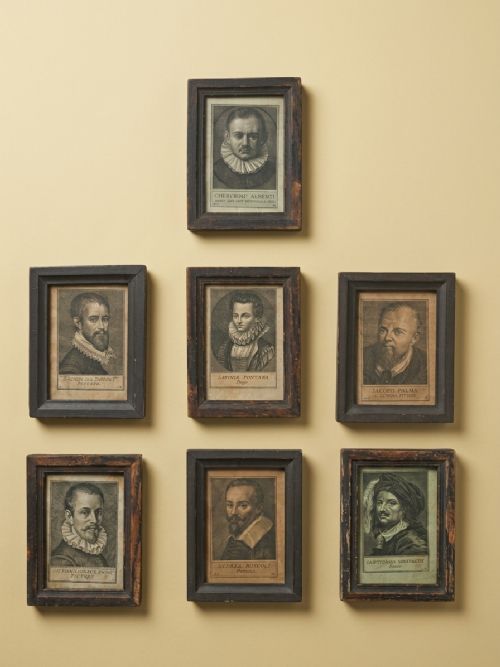
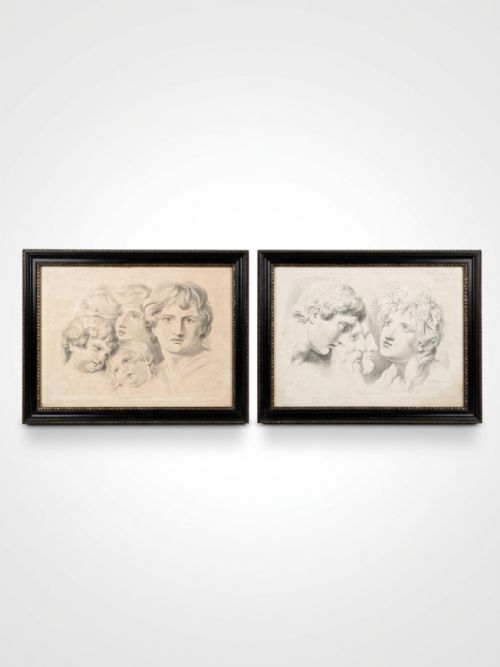
When buyers search for antique engraving art, they encounter works on paper and copper spanning several centuries. The selection includes framed prints, wall art, and bound plates showing portraits, maps, and natural history subjects. Pieces range from seventeenth-century cartography to nineteenth-century domestic scenes.
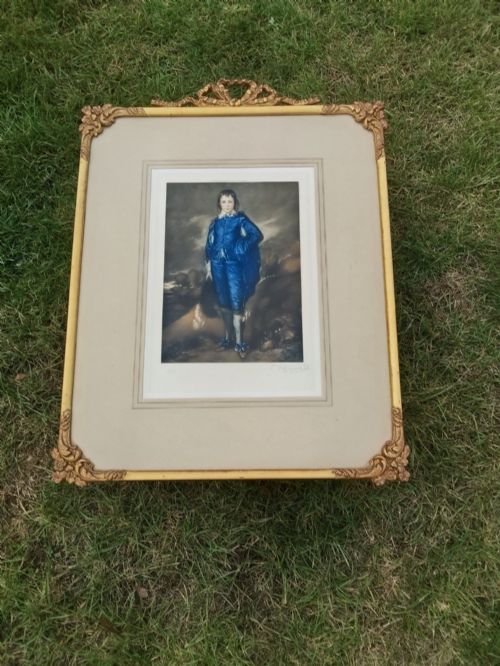
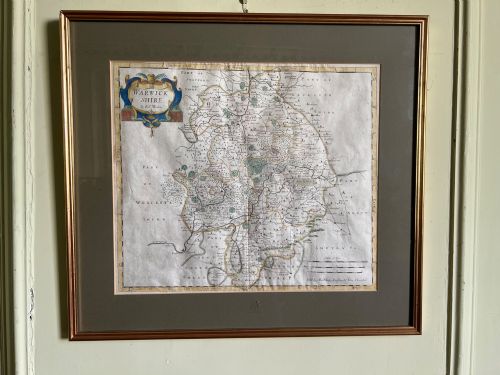
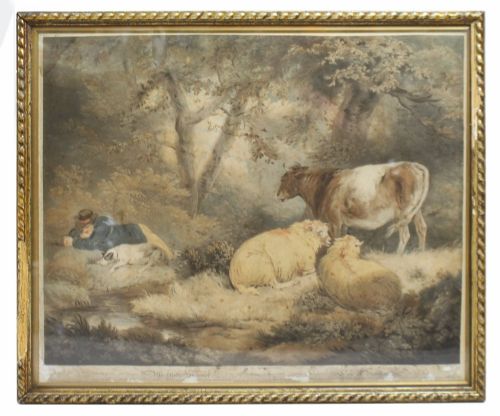
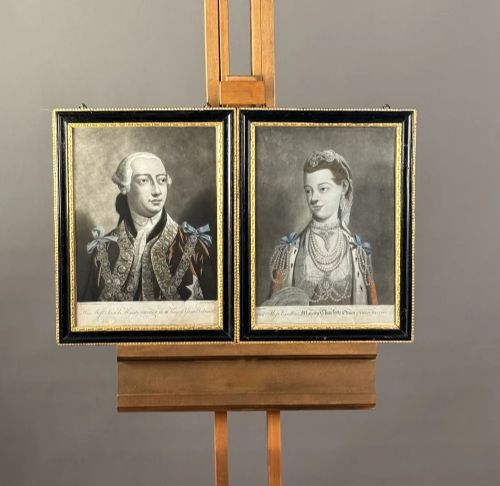
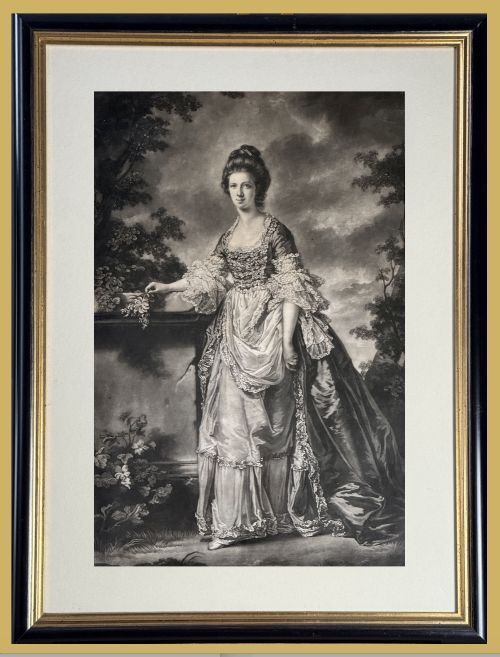
The seventeenth century contributes detailed cartography and baroque etchings on paper, often framed in wood. Eighteenth-century examples focus heavily on mezzotint portraits printed in ink on paper, alongside sporting and wildlife series. Nineteenth-century items bring grand tour etchings and coloured prints into the category.
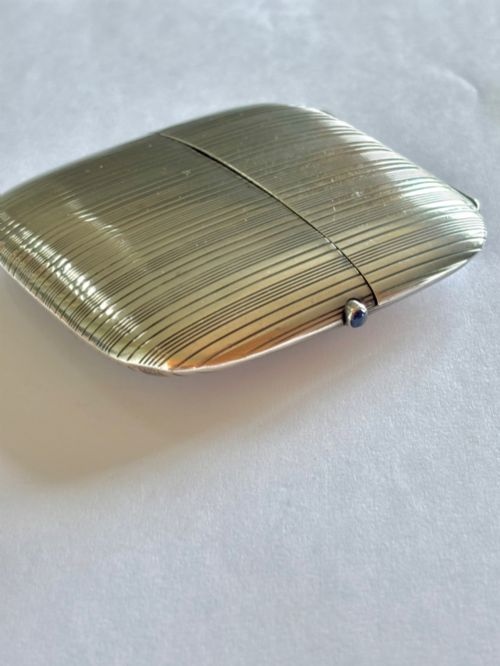
Mid-twentieth-century works appear as unframed tropical bird prints on paper. Buyers also find related objects that incorporate engraved decoration, such as copper chargers and silver items. The core of the selection remains works on paper pulled from metal plates.
How they were made
Makers produced these works using metal plates, typically copper, worked with burins, needles, or acid. Printers applied ink to the plate, wiping the surface clean so that ink remained only in the incised grooves or textured areas. They then transferred the image onto damp paper under high pressure in a press.
Mezzotints required the plate surface to be roughened uniformly with a rocker to hold ink for dark areas, then scraped and burnished to create lighter tones. Etchings relied on acid biting into metal exposed through a protective ground. Some prints received later hand-colouring with watercolour applied directly to the paper.
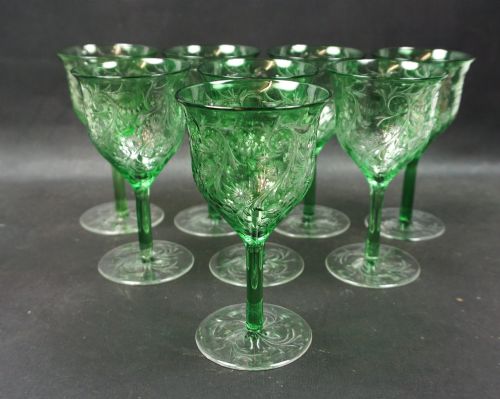
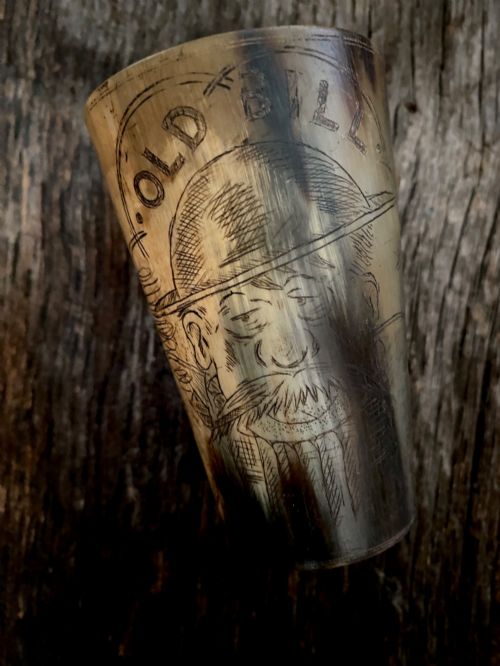
Framing materials varied by period, with original wood Hogarth frames protecting many eighteenth and nineteenth-century works. Glass shielded delicate paper surfaces from dust and moisture. Selected pieces utilised reverse glass techniques, where artists applied paint and ink directly to the glass substrate.
Antique Engraving Art Retail Price Guide 2026
Typical asking prices for engraving art among the pieces listed under this phrase on Sellingantiques today, from the lower quarter to the upper quarter. They describe what is for sale here now, not the wider market.
Several seventeenth-century map margins manage to squeeze in sea monsters alongside very earnest Tudor geography.
What varies in quality
The clarity of the printed line and the richness of the ink define the upper tier of these works. Early impressions taken when the metal plate was fresh display crisp details in hair, fabric, and background elements. Later impressions from worn plates lose definition, appearing flat and grey.
The collaboration between the original artist, the engraver, and the publisher influences the standing of a piece. Works produced by skilled printmakers after prominent painters command greater attention. The condition of the paper, the preservation of plate marks, and the presence of original framing materials further distinguish individual examples.
John Speed·George Keating·Simon de Koster·John Smith·Sir Godfrey Kneller·Samuel Howitt·James Watson·Francis Cotes·John Jones·Sir Joshua Reynolds·Thomas Watson·Sir Peter Lely·François Perrier·William Woollett·George Stubbs·William Bird·John Simon·Michael Dahl·Edward Fisher·Kurt Lorein Victor Peiser·John Boydell·Pier Francesco Mola·Francesco Bartolozzi·Jean Mariette·Sebastiaan Vrancx
The Antique Engraving Art Glossary
- Mezzotint
- A printmaking process where the artist works from dark to light by roughening a copper plate to hold ink. This technique produces rich, velvety tones and smooth gradients without harsh lines.
- Etching
- A method where lines are bitten into a metal plate with acid through a resistant ground. Artists draw freely into the wax coating before the acid creates the grooves for holding ink.
- Plate mark
- The indentation left in the paper by the edge of the metal plate during printing. Its presence confirms the use of a traditional intaglio printing process.
- Stipple engraving
- A technique utilising dots of varying density to create tonal effects and flesh tones. Engravers used specialised needles and roulettes to puncture the metal plate.
- Cartography
- The study and practice of making maps. Antique examples often feature hand-coloured borders, decorative cartouches, and geographical details from earlier centuries.
Antique Engraving Art: Frequently Asked Questions
How should I frame an antique engraving?
Protect the paper by using acid-free mounts and backing boards to prevent discoloration over time. Ensure the glass does not touch the surface of the print directly.
Keep the framed work away from direct sunlight and damp environments to preserve the integrity of the ink and paper.
What is the difference between an etching and an engraving?
An engraver cuts lines directly into the metal plate using a sharp tool called a burin, which requires considerable physical force.
An etcher uses acid to bite the lines into the metal through a protective wax coating, allowing for a more fluid and painterly line.
How do I care for antique works on paper?
Store or display prints in stable room temperatures with low humidity to avoid paper degradation and mould growth. Minimise exposure to bright light to prevent the fading of ink and watercolour pigments.
Consult a professional paper conservator if cleaning or major repairs become necessary.
Are all antique engravings signed by the artist?
Many prints include engraved text in the lower margin recording the names of the original painter, the printmaker, and the publisher. Individual hand signatures in pencil appear more commonly on works from later centuries.
Unsigned prints remain standard for many historical book illustrations and decorative plates.