

Antique Engraved Ring
An antique engraved ring carries hand-cut patterns or inscriptions in gold, silver or platinum that record personal milestones and decorative tastes from past centuries.
Antique Engraved Ring
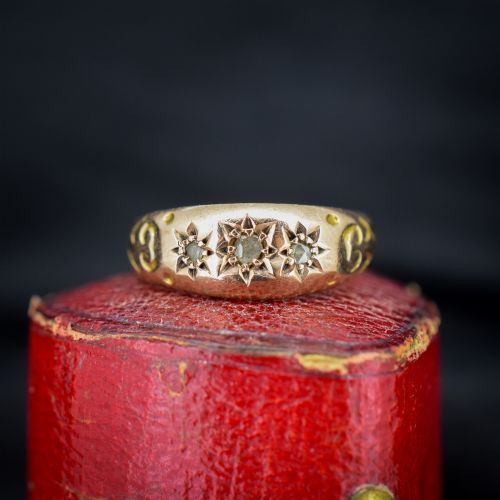
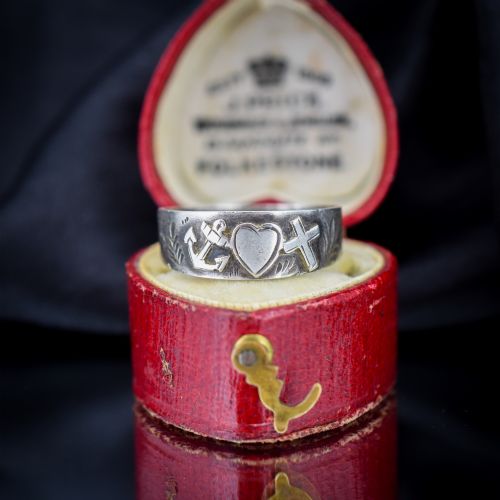
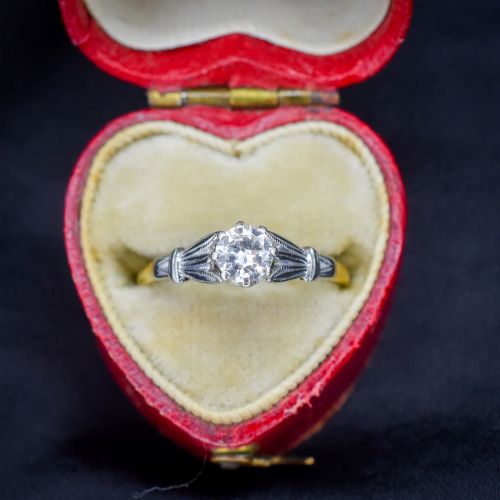
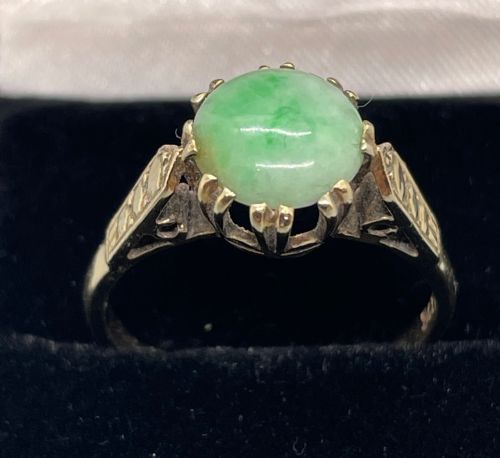
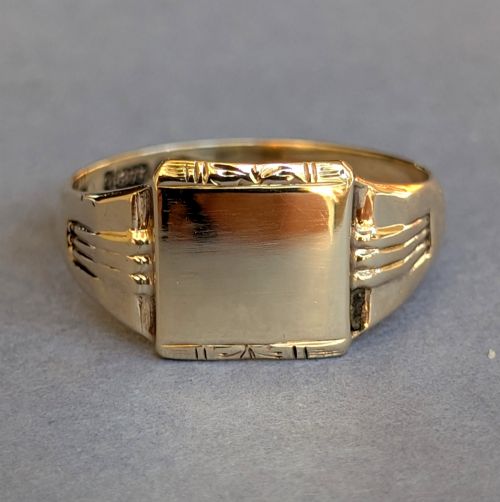
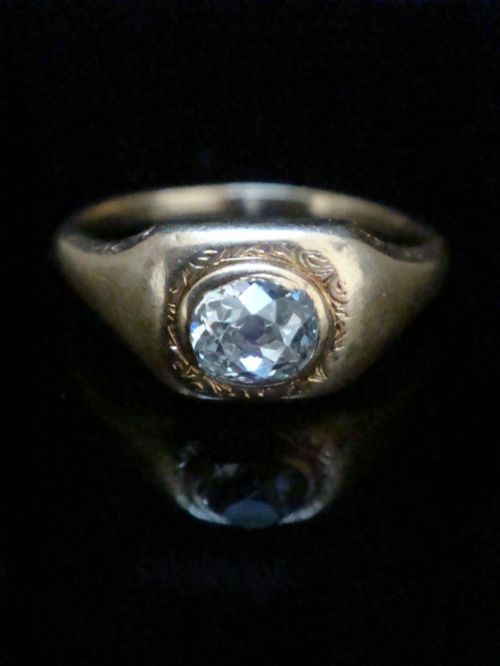
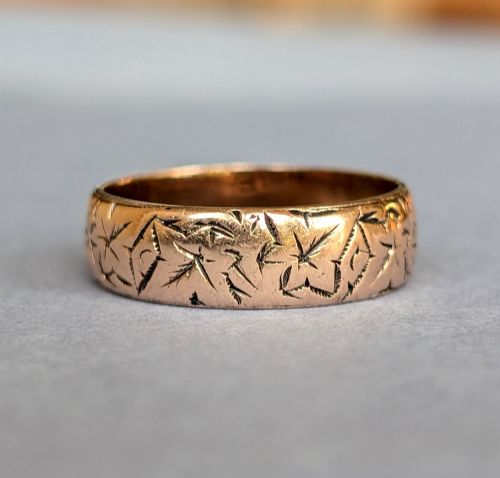
When you search for an antique engraved ring, you encounter finger adornments spanning the Victorian, Edwardian, and mid-century periods alongside earlier Georgian examples. These items include plain metal bands etched with foliate motifs, buckle rings modelled to wrap the finger, and heavy signet forms bearing monograms or coats of arms.
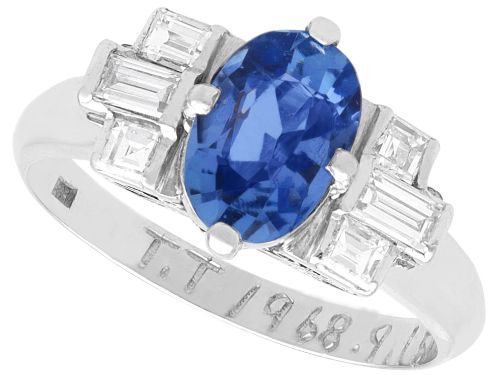
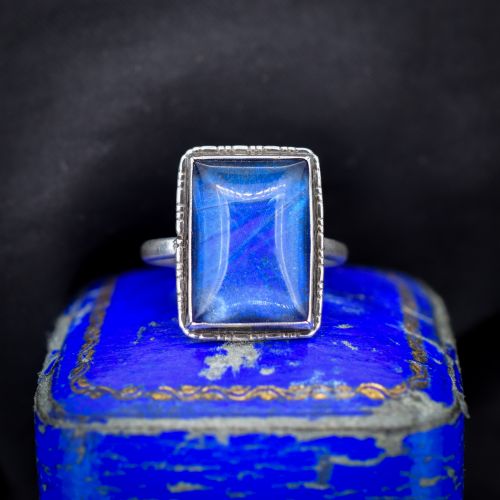
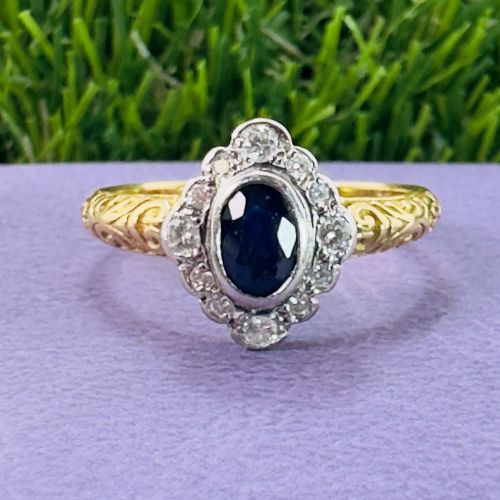
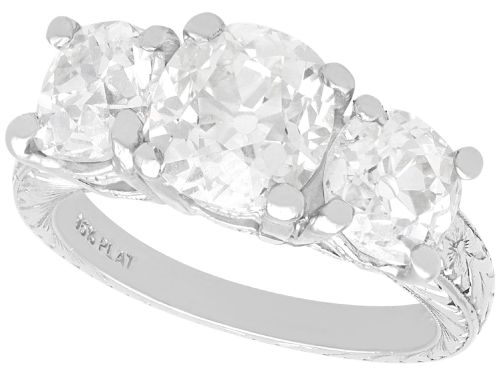
The selection on this page frequently includes gold wedding bands stamped with hallmarks from Chester or Birmingham, diamond-set cluster designs, and gemstone pieces incorporating pearls, agate, or bloodstone. Rings sit alongside related engraved split rings and seals, reflecting the broader scope of personal metalwork from the nineteenth and early twentieth centuries.
How they were made
Goldsmiths and silversmiths shaped these pieces using yellow, rose, and white gold in nine-carat and eighteen-carat purities, as well as sterling silver and platinum. Metal was cast or hammered into bands and settings before being worked by hand with gravers and chisels to cut intricate surface details.
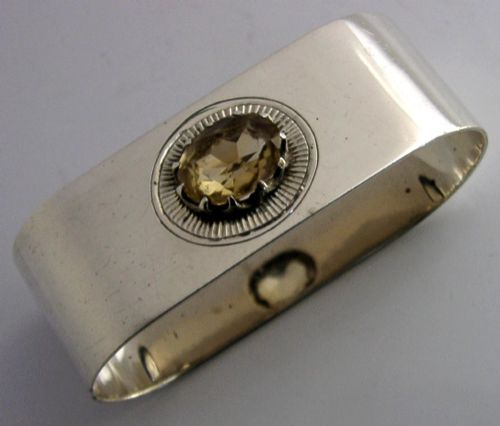
Stones such as diamonds, sapphires, and citrines were secured using rubover, gypsy, or claw settings tailored to the shape of the gem. Hallmarks were stamped directly into the inner shanks to record the assay office, metal standard, and year of production.
Antique Engraved Ring Retail Price Guide 2026
Typical asking prices for engraved ring among the pieces listed under this phrase on Sellingantiques today, from the lower quarter to the upper quarter. They describe what is for sale here now, not the wider market.
Several Victorian rings take the literal form of buckled belts, proving our ancestors liked their jewellery to stay securely fastened.
What varies in quality
The sharpness and depth of the hand-engraved lines determine visual clarity, as worn or shallow cutting softens the original design over decades of wear. Crisp relief work on buckle motifs or foliate scrolls indicates skilled execution by the maker.
The weight of the precious metal and the structural integrity of the shank support the longevity of the piece. Substantial gold or platinum bands retain their structural form better than thinner examples that have thinned through repeated resizing.
Martin Hall & Co·Mappin & Webb
The Antique Engraved Ring Glossary
- Hallmark
- An official stamp applied to precious metals to indicate purity, origin, and the year of manufacture. These small punch marks help date rings accurately.
- Shank
- The circular band of metal that fits around the finger. It forms the foundation of any ring and holds the primary decorative elements or stone settings.
- Rubover setting
- A mounting style where a thin rim of metal is pushed over the edge of the gemstone to hold it securely in place. This technique creates a smooth, low-profile silhouette.
- Buckle ring
- A design shaped to resemble a buckled belt, often loaded with symbolic meaning regarding fidelity and connection during the Victorian era.
- Signet ring
- A solid metal band featuring a flat face designed for pressing into hot wax to seal correspondence. They frequently display engraved initials or family crests.
Antique Engraved Ring: Frequently Asked Questions
How do I clean an antique engraved ring?
Use warm soapy water and a soft-bristled brush to remove everyday debris from the engraved crevices without damaging the surrounding metal.
Avoid harsh chemical dips or ultrasonic cleaners, particularly on rings set with softer organic gems like pearls or porous stones.
Can these rings be resized safely?
Most solid gold and silver bands can be adjusted by a skilled jeweller who understands historical metalwork and construction techniques.
Heavily engraved patterns running all the way around the band complicate resizing because the alteration process disrupts the continuous design.
What does a buckle motif mean?
Victorian buckle designs symbolised strength, loyalty, and eternal attachment between the giver and the wearer.
Such rings were frequently exchanged as tokens of affection or remembrance during the nineteenth century.
How do I identify the metal purity?
Look inside the inner band for stamped hallmarks indicating carats for gold, such as nine or eighteen, or sterling standards for silver.
Assay office marks alongside date letters provide definitive proof of the testing location and year.