

Antique Engraved Band
An antique engraved band carries the quiet marks of a Victorian or Edwardian hand, offering a tangible piece of personal history for daily wear.
Antique Engraved Band
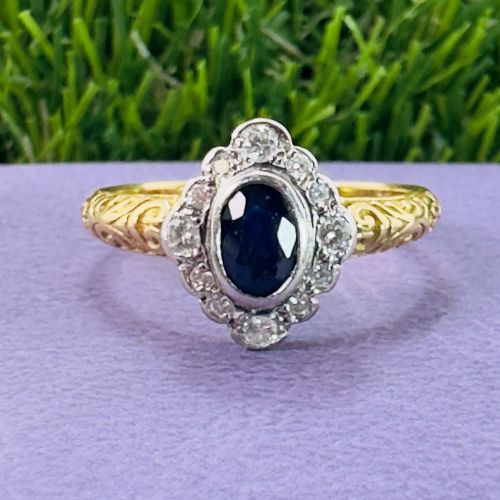
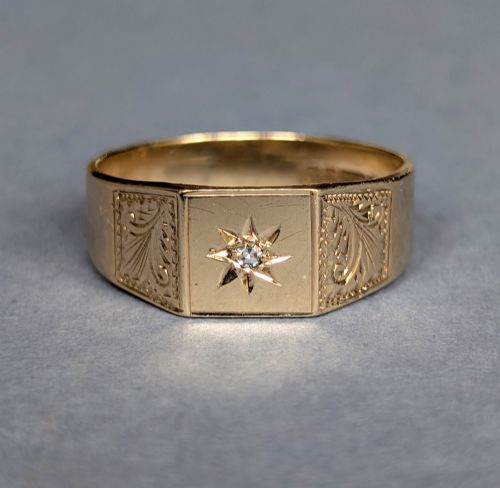
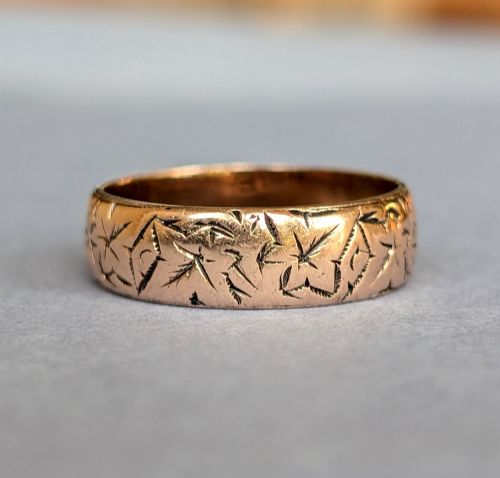
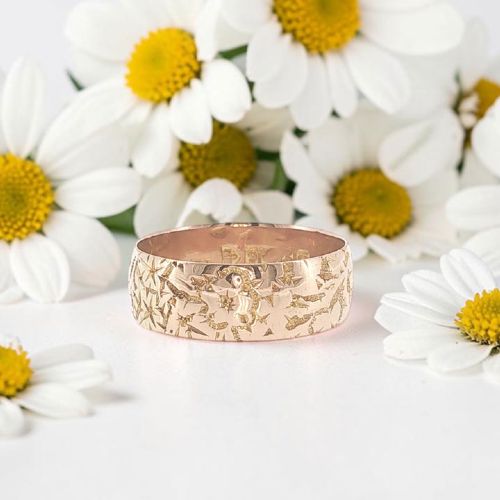
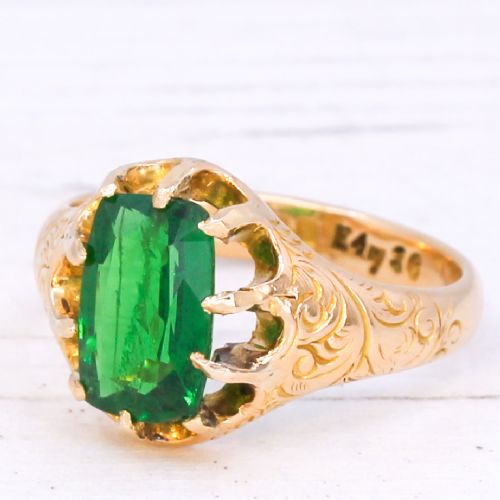
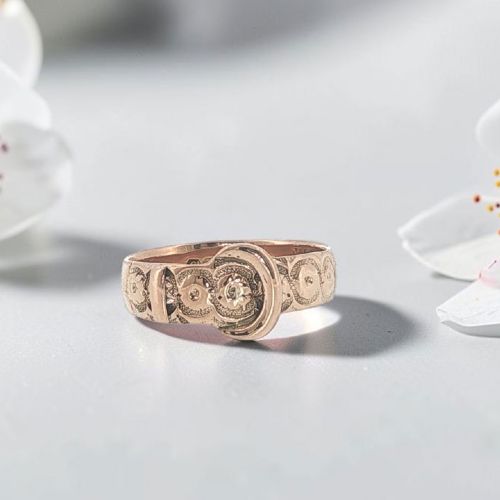
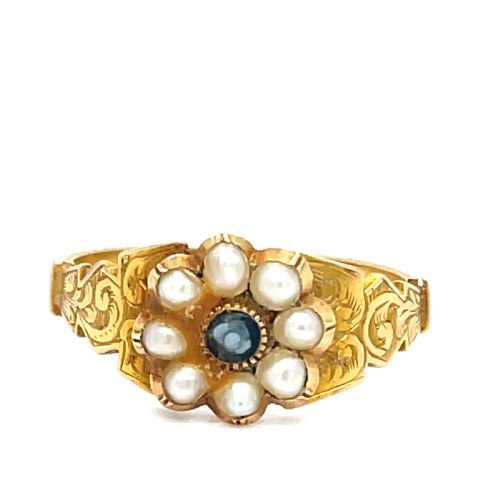
The antique engraved band most commonly appears on this page as a solid gold ring from the Victorian or Edwardian eras, intended as a wedding band or a token of sentiment. These pieces display linear chasing, foliate scrolls, or geometric motifs worked directly into the metal surface.
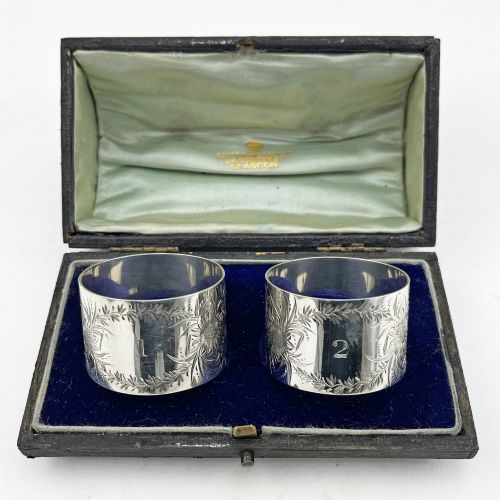
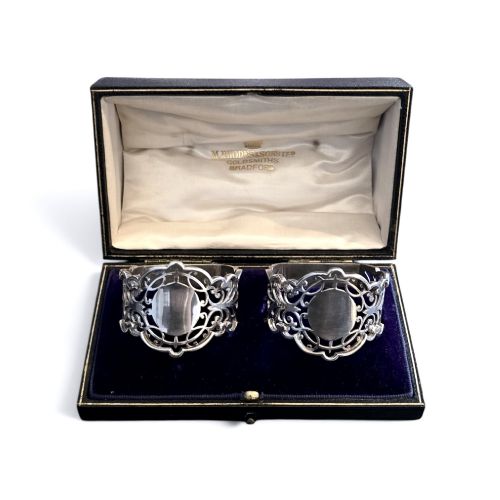
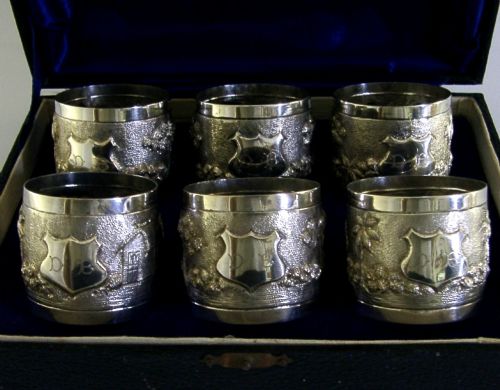
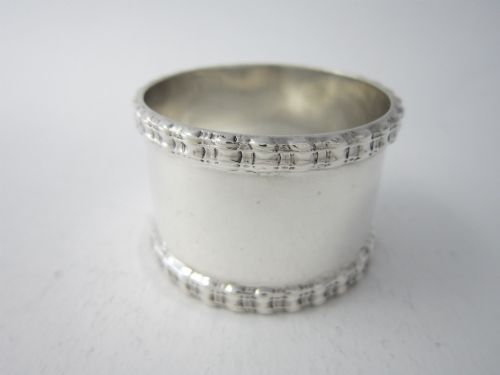
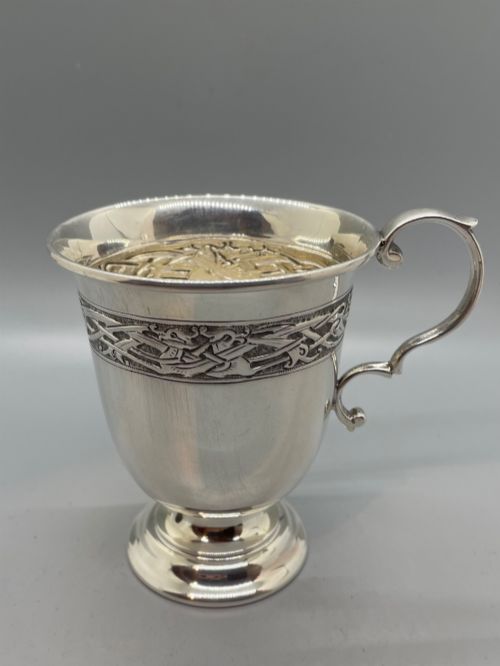
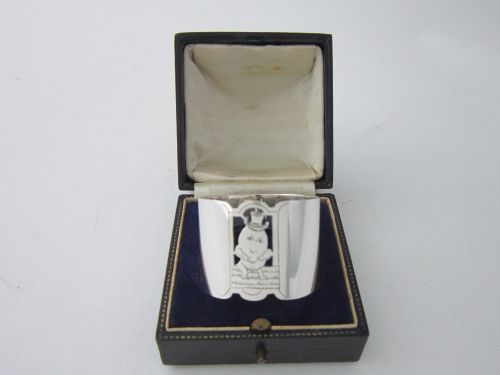
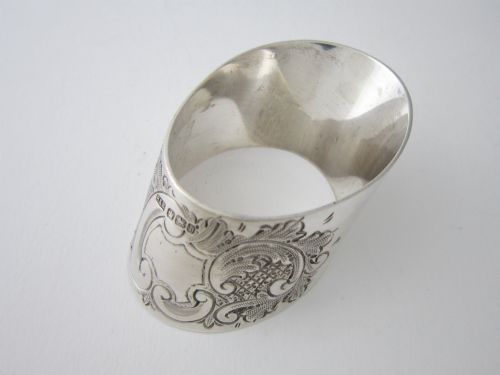
Beyond finger rings, the category encompasses sterling silver napkin rings and metal bands found upon helmets, muskets, and boxes from the eighteenth century onwards. Such utilitarian and decorative objects share the defining characteristic of a continuous incised or chased perimeter band.
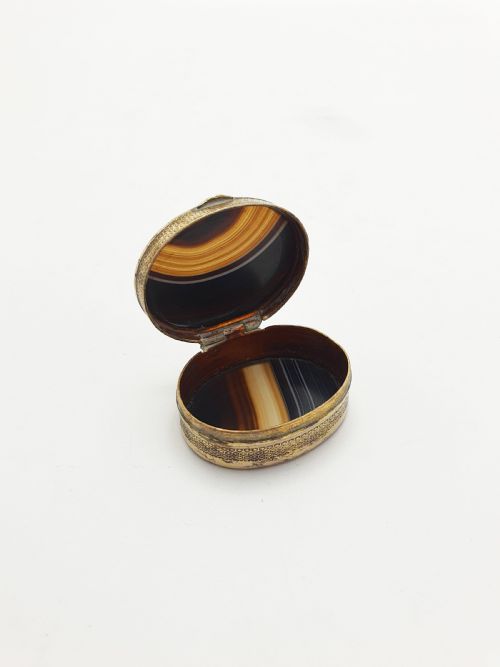
Dating ranges from the late nineteenth century into the mid twentieth century, drawing on periods such as the Edwardian era, the Art Deco movement, and the late Victorian years. Buyers encounter both plain precious metal circlets and versions set with diamonds, rubies, or agates.
Materials and methods
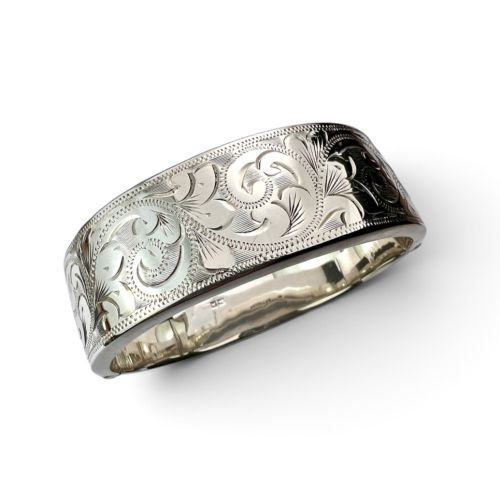
Metals span sterling silver, nine-carat and fifteen-carat rose or yellow gold, and platinum, providing the foundational body for surface decoration. Artisans shaped these metals into continuous hoops before applying hand-engraved patterns using gravers and chisels.
Surface ornamentation relies on manual incision, where metal is removed to form floral repeats, buckle shapes, or script bands. In certain instances, such as military helmets and firearms, brass or silver bands are riveted or fitted around structural cylinders.
Antique Engraved Band Retail Price Guide 2026
Typical asking prices for engraved band among the pieces listed under this phrase on Sellingantiques today, from the lower quarter to the upper quarter. They describe what is for sale here now, not the wider market.
Listings feature sterling silver, platinum, and various gold purities alongside decorative materials like agate and velvet.
Evaluating craftsmanship
The crispness and depth of the hand-engraving dictate the visual success of a band, as shallow or worn incisions obscure the original artisan's design. Sharply defined motifs retain their geometric or organic integrity despite decades of handling.
The gauge of the metal and the preservation of original hallmarks indicate the standard of production and subsequent care. Thicker gold and silver sections resist thinning from wear, ensuring the structural longevity of the hoop.
Martin Hall & Co
The Antique Engraved Band Glossary
- Hallmark
- An official stamp applied to precious metals indicating purity, origin assay office, and date of manufacture. These small stamped marks provide the primary evidence for dating a band.
- Chasing
- A metalworking technique where a design is hammered into the front surface without removing metal. This method raises relief patterns rather than cutting lines away.
- Buckle ring
- A ring styled to resemble a fastened belt or buckle, carrying symbolic meaning related to fidelity or eternity. These figural bands are frequently encountered in Victorian gold.
- Aventail
- A flexible curtain of mail protecting the neck, suspended from a helmet rim or band. This protective feature appears on military items in the collection.
- Cabochon
- A gemstone shaped and polished with a smooth convex dome rather than faceted edges. Agates and other stones cut this way often punctuate nineteenth-century metalwork.
Antique Engraved Band: Frequently Asked Questions
How do I clean an antique gold band?
Warm soapy water and a soft brush remove everyday debris from engraved crevices safely.
Harsh chemical dips and ultrasonic cleaners damage softer stones and thin gold settings, so gentle hand washing remains the best approach.
Can an engraved ring be resized?
Most plain metal bands can be altered by a skilled jeweller without losing structural integrity.
Bands featuring continuous engraving all the way around pose a challenge, as cutting the hoop disturbs the repeating pattern.
What periods do these bands come from?
The listings span from the late eighteenth century through the Victorian and Edwardian periods into the mid twentieth century.
Victorian and Edwardian examples represent the majority of finger rings, while earlier centuries appear on utilitarian items.
Are these bands suitable for daily wear?
Solid gold and platinum bands endure everyday use well when the metal gauge remains suitably thick.
Very thin or antique hollow pieces require more careful handling to prevent bending during rigorous activities.