





Antique English Tiered Stand
When you handle an antique English tiered stand, you find pieces built for dining rooms, libraries, and drawing rooms that bring vertical display to smaller spaces.
Antique English Tiered Stand
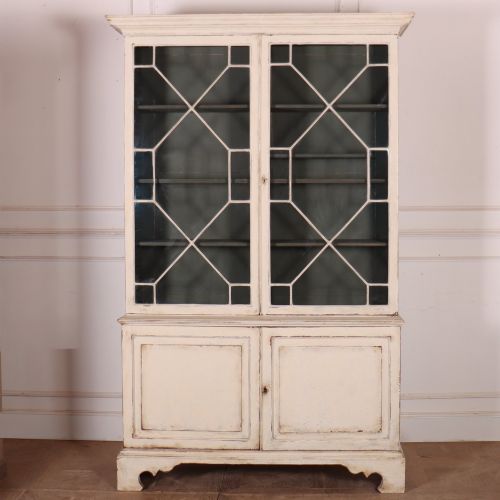
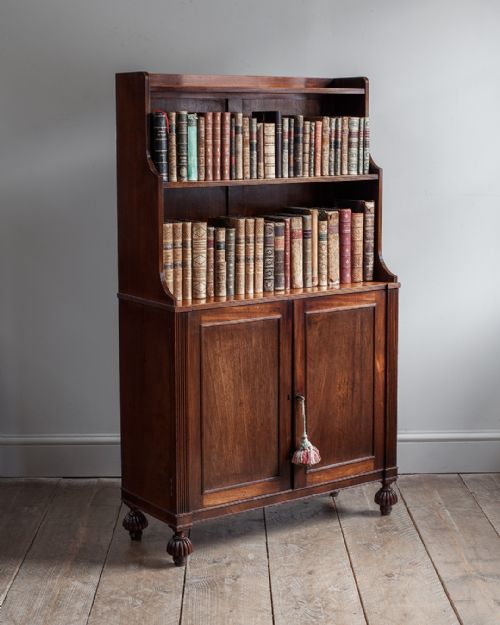
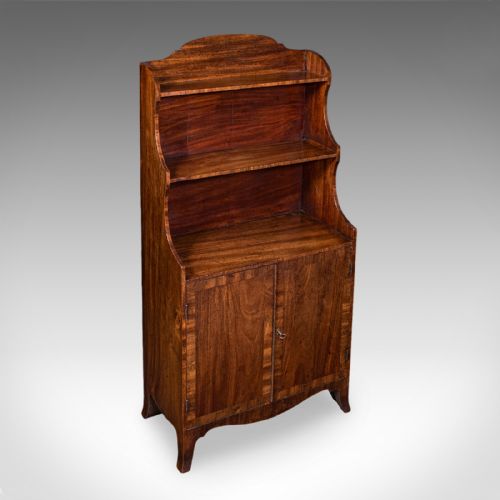
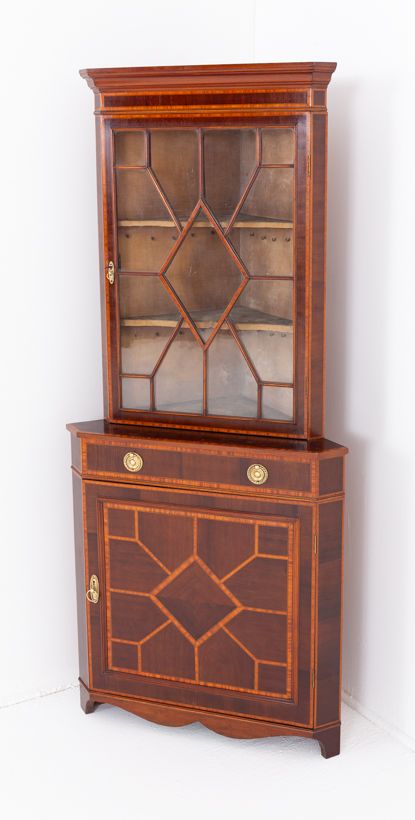
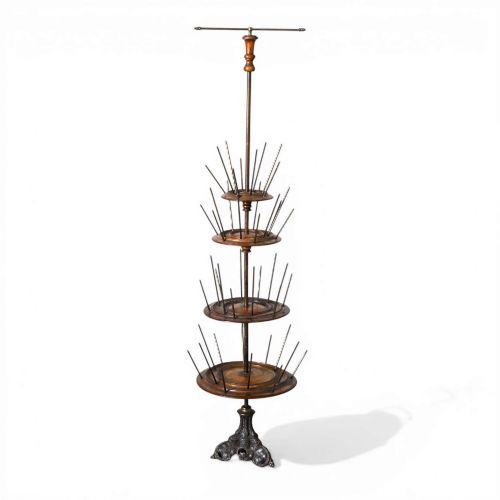
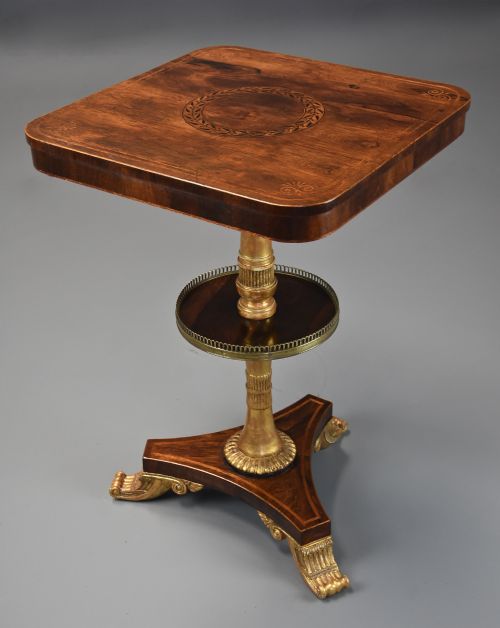
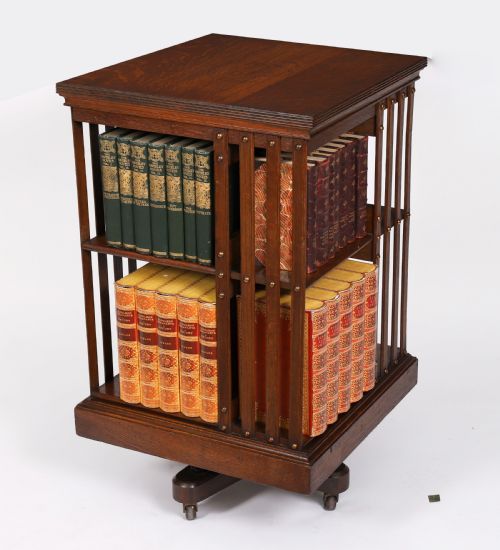
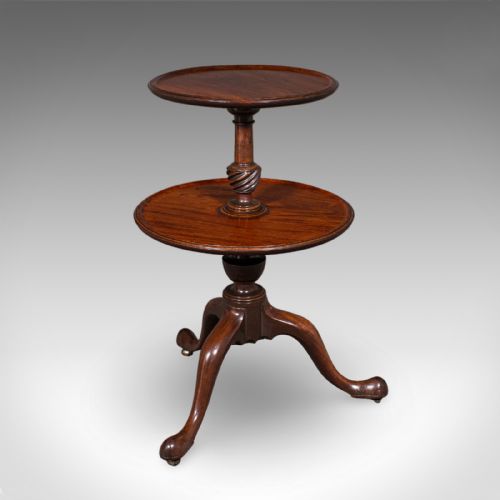
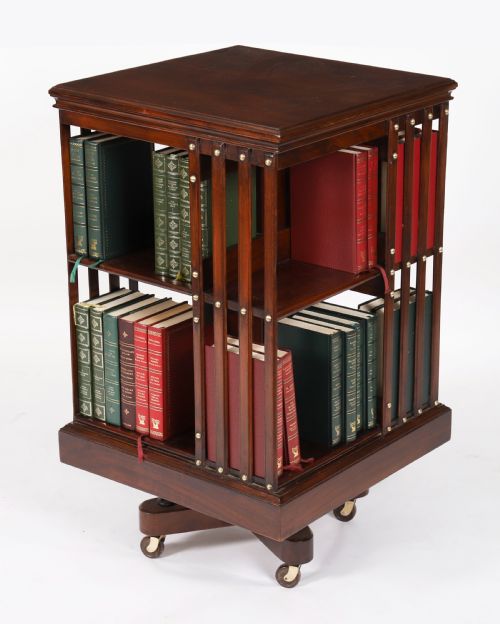
An antique English tiered stand covers a wide variety of multiple-level furniture forms designed to organise and display items across different horizontal surfaces. You will encounter dumb waiters, whatnots, bookcases, and etageres spanning from the Georgian and Regency periods through to the Victorian and Edwardian eras.
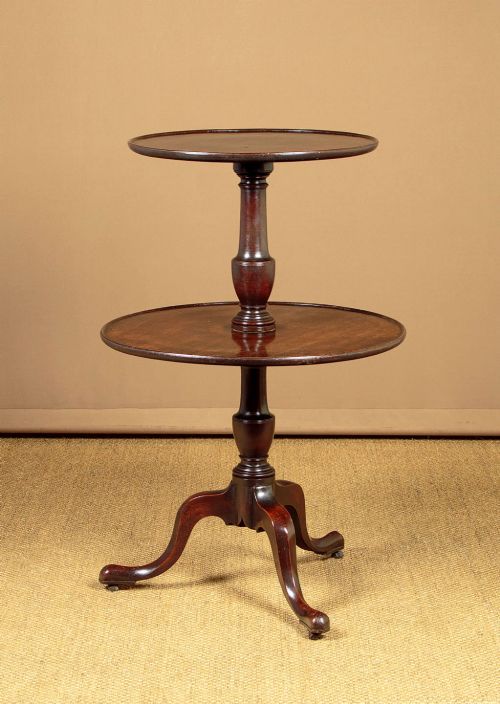
The most frequent examples on this page are mahogany dumb waiters and tiered whatnots from the Georgian and 19th Century periods. These pieces use graduated levels supported by turned columns or upright supports to hold books, serving dishes, or decorative objects.
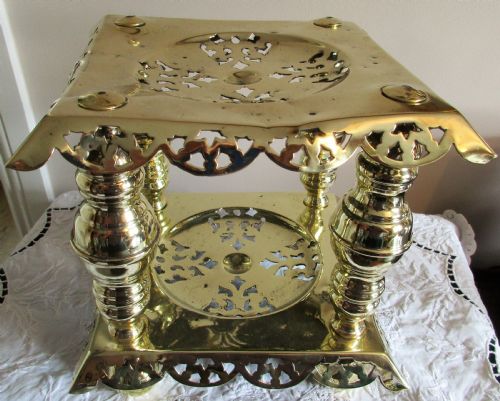
Makers adapted these tiered structures for specific rooms, creating kitchen trivets, music cabinets, corner display stands, and plant holders. Each form retains the multi-level stacking characteristic that defines the category.
Materials and Construction
Cabinet makers relied primarily on timbers such as mahogany, rosewood, walnut, and burr walnut, often selecting figured grains for top surfaces and display tiers. Brass, cast iron, and wirework appear in structural mountings, gallery rails, and shop display fittings.
Joinery techniques included turned columns, dovetailed drawers, and folding mechanisms designed for practical use in domestic and commercial settings. Surfaces were finished with polish or paint, reflecting the aesthetic preferences of periods ranging from the 18th century to 1900.
Materials recorded across the inventory include mahogany, rosewood, walnut, burr walnut, brass, cast iron, glass, and wirework.
Distinctions in Standard
Quality separates through the selection of timber veneers, the crispness of turned wood or brass components, and the stability of the tiered joints. Finer examples display balanced proportions across multiple levels and refined execution in details such as inlaid banding or pierced galleries.
Simpler workshop pieces and utility items, such as shop display stands and wirework plant holders, prioritise robust iron or brass construction over decorative cabinet work.
Maple & Co
The Antique English Tiered Stand Glossary
- Dumb Waiter
- A tiered serving stand with rotating or fixed levels, used in dining rooms for holding dishes and bottles without requiring a servant.
- Whatnot
- An open set of shelves with multiple tiers used for displaying ornaments, books, or writing equipment.
- Etagere
- A piece of furniture consisting of a set of open shelves for displaying small objects, similar in form to a whatnot.
- Waterfall Bookcase
- A tiered bookcase where each successive shelf is set further back than the one below, creating a stepped profile.
- Trivet
- A low stand raised on legs, utilised beside a hearth or table for holding hot kettles or serving vessels.
Antique English Tiered Stand: Frequently Asked Questions
What is a dumb waiter?
A dumb waiter is a multi-tiered stand traditionally placed beside a dining table to hold extra plates, food, and glassware during a meal.
These pieces allowed diners to serve themselves without the presence of household staff throughout the course of a dinner.
How do I use a whatnot?
A whatnot serves as an open display piece for books, ceramics, and decorative items in a drawing room or study.
The tiered shelves provide vertical storage while keeping objects visible from multiple angles in the room.
What is an etagere?
An etagere is a light, tiered piece of furniture designed specifically for the display of ornaments and small collections.
Originating in France, the form was widely adopted by English cabinet makers during the Regency and Victorian periods.
How do I date a tiered stand?
Dating relies on identifying the primary timbers, construction methods, and stylistic cues characteristic of periods like the Georgian, Regency, or Victorian eras.
Secondary details such as brass castors, turned supports, and timber veneers help narrow the decade of manufacture.