







Antique English Silver Pot
An antique English silver pot brings tactile craft to the table, combining heavy sterling or plate with glass, ceramic, and fitted liners.
Antique English Silver Pot
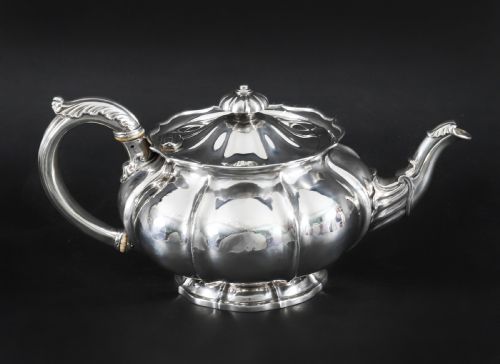
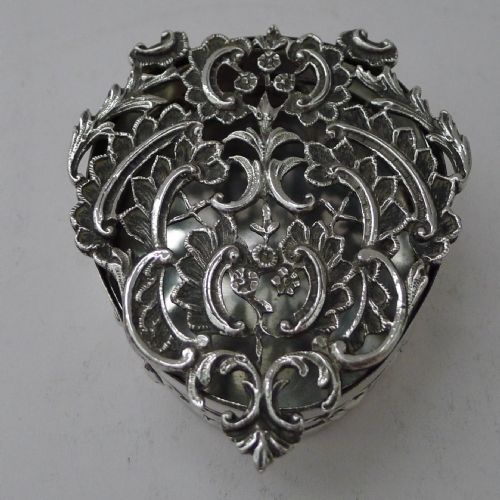
This selection spans domestic hollowware from Georgian tea vessels to Edwardian pot pourri boxes, mustard pots, and inkwells. Buyers find both solid sterling silver and silver plate constructions across multiple decades of English manufacturing.
Tea and coffee pots form a large part of the grouping alongside smaller condiment servers, cruet sets, and desktop inkstands. Many examples incorporate cut glass, ceramic, or coloured glass liners to hold contents safely.
The objects originate primarily from workshops in London, Birmingham, Sheffield, and Newcastle, reflecting regional silversmithing traditions from the eighteenth century through the twentieth century.
Materials and Construction
Makers utilised sterling silver and silver plate over base metals, frequently pairing metal mounts with cut crystal, ceramic bodies, and wooden bases. Glass liners in cobalt blue or cranberry hues were blown and shaped to fit fitted silver frames.
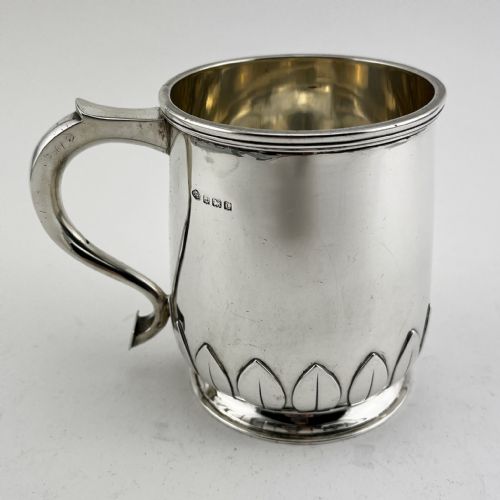
Silversmiths employed techniques such as casting, piercing, and hand-chasing to ornament mustard pots, tea services, and inkstands. Hallmarks stamped directly into the metal record the assay office, date letter, and maker's mark.
Antique English Silver Pot Retail Price Guide 2026
Typical asking prices for english silver pot among the pieces listed under this phrase on Sellingantiques today, from the lower quarter to the upper quarter. They describe what is for sale here now, not the wider market.
Several Victorian silversmiths dedicated considerable effort to fashioning mustard pots shaped like tiny musical instruments and teddy bears.
Quality and Craftsmanship
Gauge of metal distinguishes heavier domestic pieces from lighter wares, with solid sterling items offering substantial weight in the hand. Crispness in chased details, cast handles, and pierced decorative motifs indicates superior workshop execution.
Completeness of sets, including original glass inserts, matching spoons, and legible hallmarks, elevates individual items. The integration of decorative elements like enamel work or novelty animal forms demonstrates advanced maker skill.
Paul Storr·Walker & Hall·William Comyns·Wilmot Manufacturing Co·George Nathan and Ridley Hayes
The Antique English Silver Pot Glossary
- Hallmark
- Official stamps struck into precious metals to guarantee purity and origin. These marks identify the maker, assay office, and year of production.
- Sterling silver
- An alloy consisting of ninety-two point five percent silver and seven point five percent other metals, usually copper. This standard forms the basis of British precious metal work.
- Silver plate
- A layer of silver fused or electroplated onto a base metal core such as copper or nickel brass. This technique offered an accessible alternative to solid silver.
- Pot pourri
- A mixture of dried petals and spices kept in a decorative pierced container to scent a room. Containers made for this purpose feature perforated lids.
- Cruet set
- A matched collection of condiment bottles or pots held in a stand for the dining table. These typically include mustard, pepper, and salt containers.
Antique English Silver Pot: Frequently Asked Questions
How do I date an antique silver pot?
Examine the stamped hallmarks on the metal surface, which include a specific date letter corresponding to the assay office records of the year of manufacture.
Stylistic cues such as Regency neoclassical lines or Edwardian rococo revival decoration also provide a reliable guide to the period of origin.
What is the difference between sterling and plate?
Sterling silver is a solid precious metal alloy regulated by strict purity standards throughout British history. Silver plate applies a thin coating of real silver over a cheaper base metal such as copper or nickel.
Objects made of plate can often be identified by base metal showing through worn high points or by the absence of official sterling standard marks.
How were mustard pots used?
Mustard pots sat on the dining table alongside salt cellars and pepper shakers to dispense prepared mustard during meals. They generally included a small spoon and a blue glass liner to protect the silver from vinegar corrosion.
Pierced versions allowed aromas to escape from dry spice blends before solid lids became standard for wet condiments.
How do I clean antique silver pots?
Wash pieces gently in warm water using mild soap and a soft cloth to remove surface dirt without abrading the metal. Avoid harsh commercial dips that strip away patination and damage softer fitted elements like glass or enamel.
Store items in dry environments away from direct sunlight to minimise tarnishing between periodic light polishing sessions.