
Antique English Pewter
These pieces of antique English pewter bring centuries of domestic and tavern history straight to your table with their rich, subdued metal finish.
Antique English Pewter
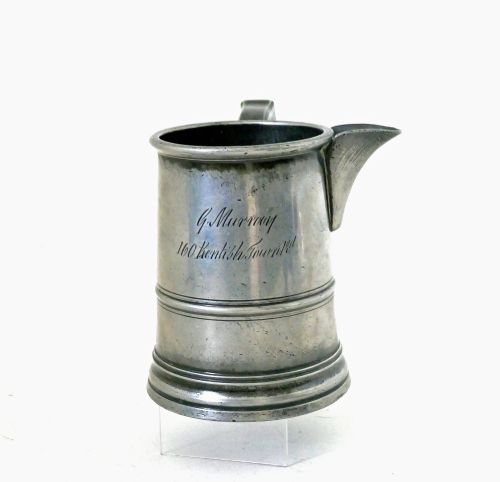
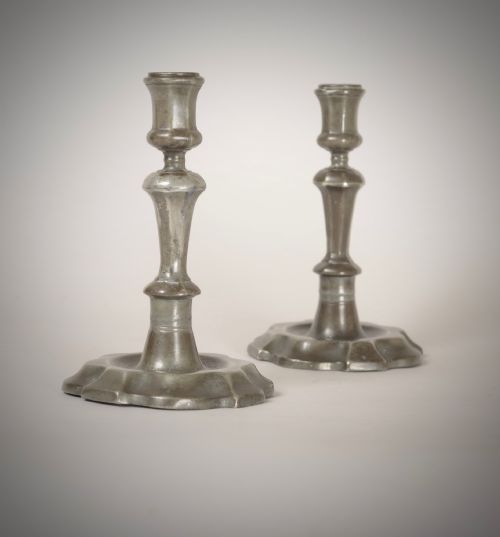
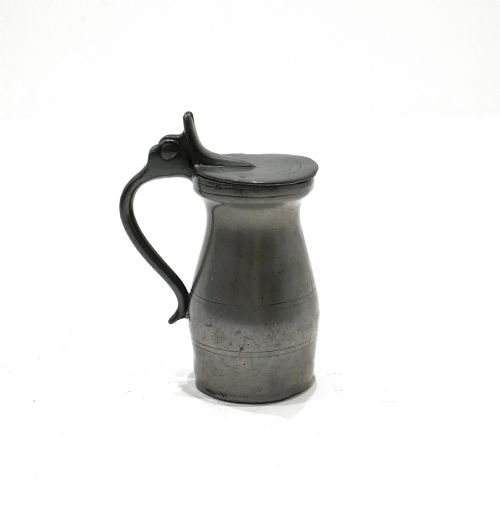
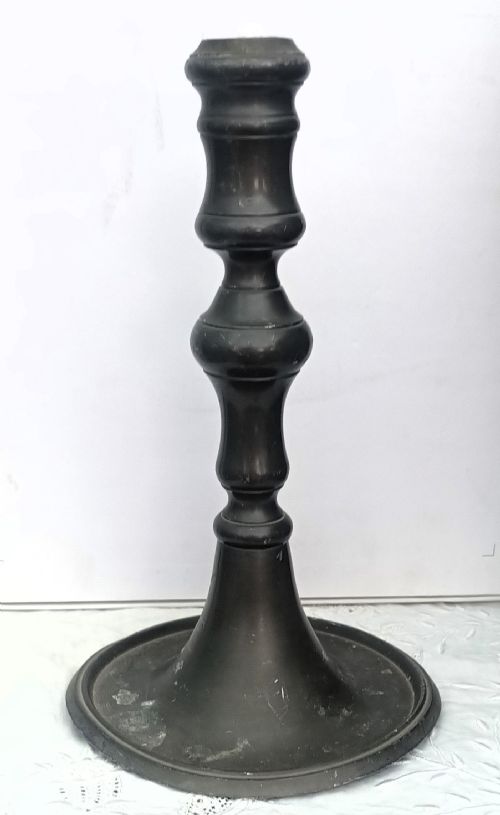
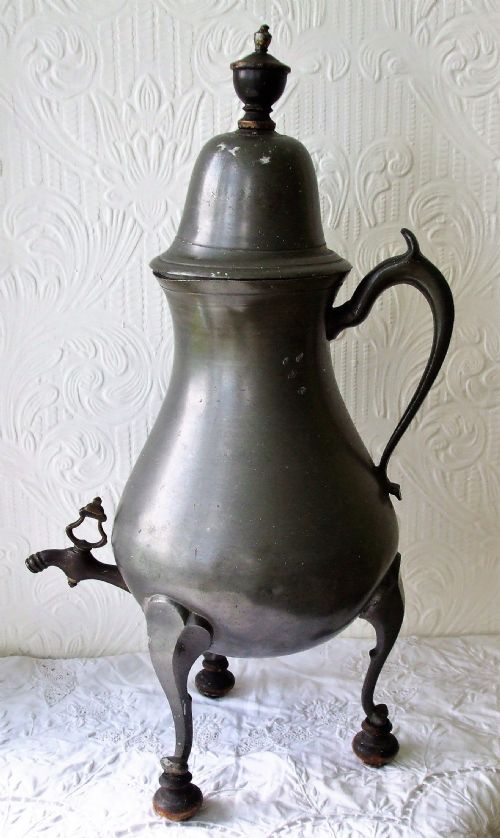
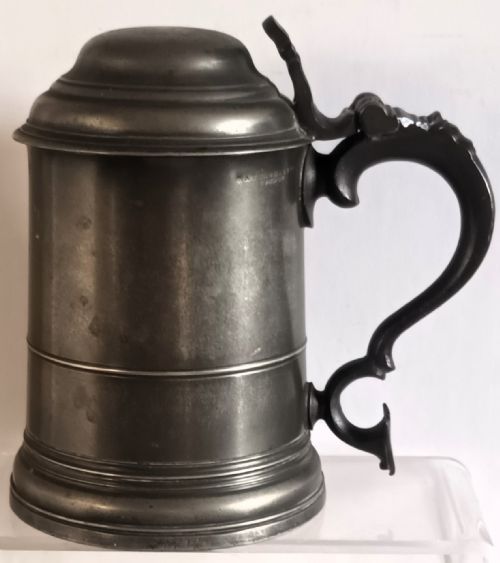
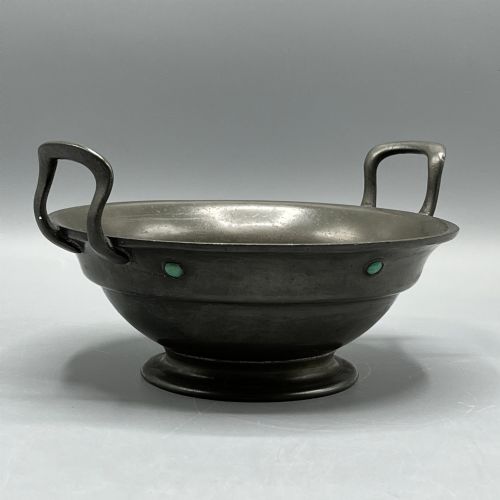
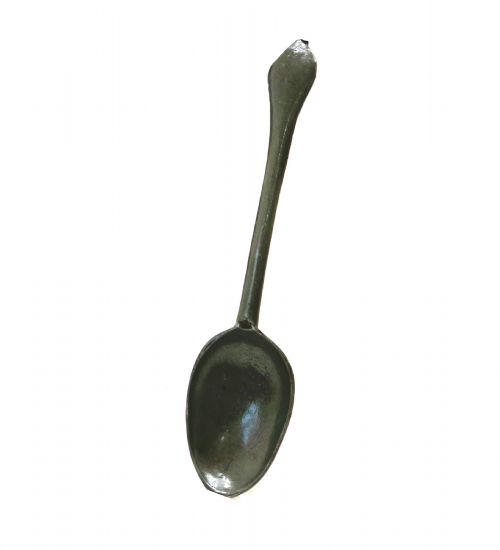
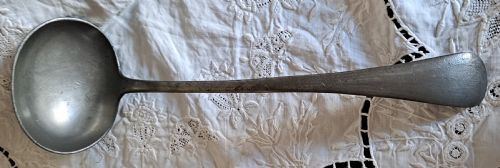
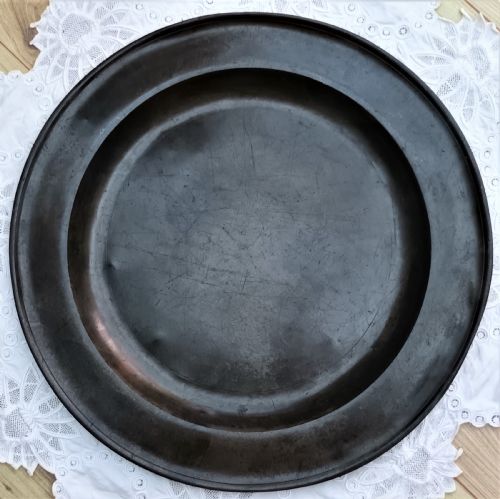
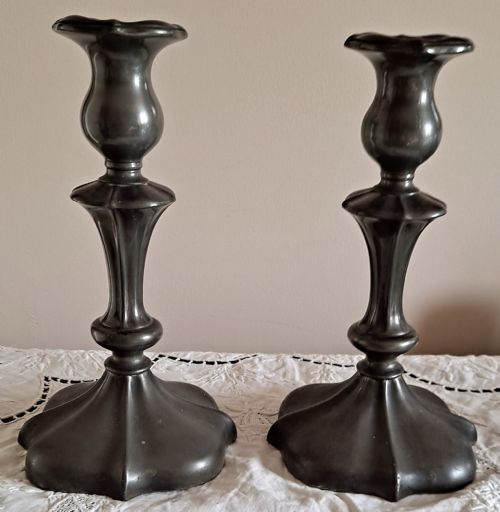
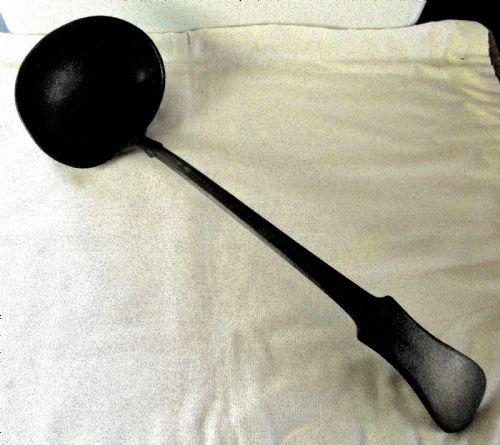
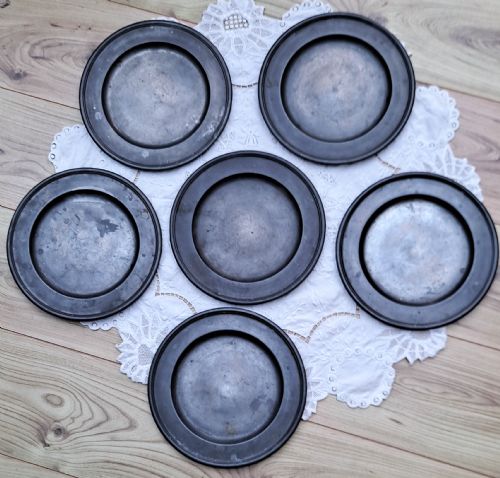
When exploring antique English pewter, you encounter utilitarian and decorative objects spanning the seventeenth century through the twentieth century. The selection ranges from plain rim plates, broad rim chargers, and porringers to tavern tankards, measures, flagons, and candlesticks.
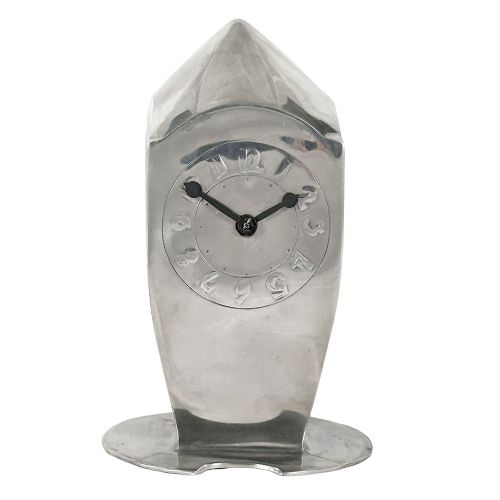
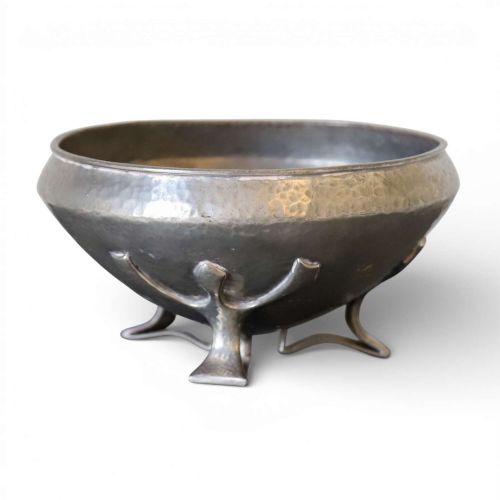
Domestic tableware forms such as chargers and plates dominate the earlier eras, whereas nineteenth-century pieces often reflect public house life through jugs and mugs. Later twentieth-century examples embrace Arts and Crafts and Art Deco designs produced by prominent Birmingham and London workshops.
The material's enduring appeal lies in its tactile weight and the soft, grey patina developed over generations of use. Collectors find that these historic metal items bridge the gap between functional kitchenware and sculptural historic ornament.
How They Were Made
These metal objects were primarily shaped through casting molten tin alloy into brass or stone moulds, followed by extensive hand-finishing on a lathe. Craftsmen turned the surfaces to remove casting flaws and achieve uniform thickness across plates, bowls, and measures.
Details such as reeded rims, handles, and thumbpieces were cast separately and soldered or riveted onto the main body. Makers often stamped their individual touchmarks directly into the soft metal surface to guarantee weight and standard of purity.
Certain early tavern mugs feature hidden glass bottoms so patrons could keep a watchful eye on drinking companions.
What Varies In Quality
The calibre of a piece rests upon the weight of the metal utilised and the crispness of the original casting details. Thicker-walled chargers and deep-rimmed plates retain their structural integrity far better than thin, worn examples.
A clear, legible maker touchmark greatly elevates a piece, as does crisp ownership engraving or verified tavern provenance. Early surviving items featuring complex multiple reeded rims demand closer appreciation for the advanced lathe work required.
Archibald Knox for Liberty·Watts and Harton·John Yates·John Duncomb·Samuel Smith·William Wright·James Yates·T and H Compton·James Spackman·Richard King·Wood and Michell·John Trapp II·John Tubb·Robert Moulins II·Humphrey Evans II·Oliver Baker·Frederic Sanders·Edward Leapidge·John Hulls·Thomas Dean Alderson·Susannah Cocks·Robert Grimes and Sons·John Foster·John Webber I·Robert Bush
The Antique English Pewter Glossary
- Touchmark
- A maker's private stamp pressed into the soft metal to identify the workshop or guild member. These small punch marks serve as the primary signature for historical attribution.
- Charger
- A large ceremonial or dining plate, often measuring over twenty inches across. They frequently feature broad flat rims and display prominent armorial crests.
- Porringer
- A shallow handled bowl used historically for broths, porridges, or as a sugar basin. They typically feature pierced or solid ear handles.
- Flagons
- Large lidded drinking vessels utilised in churches or taverns for dispensing ale and wine. Examples often incorporate flat or dome-shaped hinged lids.
- Reeded rim
- A decorative border featuring multiple parallel raised mouldings turned onto plates and dishes. This technique adds structural rigidity and visual refinement to flatware.
Antique English Pewter: Frequently Asked Questions
How do I clean antique pewter?
Historic metal surfaces require minimal intervention to preserve their historic grey skin. Gentle washing with warm soapy water and thorough drying is sufficient for routine maintenance.
Avoid abrasive metal polishes or harsh chemical dips that strip away centuries of accumulated patina. Proper care ensures the soft alloy retains its natural historic character.
What is a touchmark?
A touchmark is a small stamped emblem applied by the pewterer to certify the standard of the metal. These stamps act as historical signatures for dating and attributing pieces.
Guild regulations required workshops to register their marks. Finding a clear touchmark helps identify the specific maker and town of origin.
Why are some plates so heavy?
Earlier dining plates and broad rim chargers contained higher proportions of quality tin and were cast with thicker cross-sections. This extra weight prevented warping during daily use and washing.
Heavier domestic vessels also represented greater wealth and status. Collectors prize these substantial examples for their durability and visual presence.
Were these items used daily?
Many surviving tavern measures, tankards, and plates saw rigorous daily service in domestic households and public houses. Public health laws eventually shifted tavern hospitality toward glass alternatives.
Surviving examples often bear touchmarks of local magistrates and verification stamps confirming their capacity for ale and spirits.