
Antique English Oak Panel
These pieces of antique English oak panel represent centuries of native joinery, offering tactile grain and historical depth to interiors.
Antique English Oak Panel
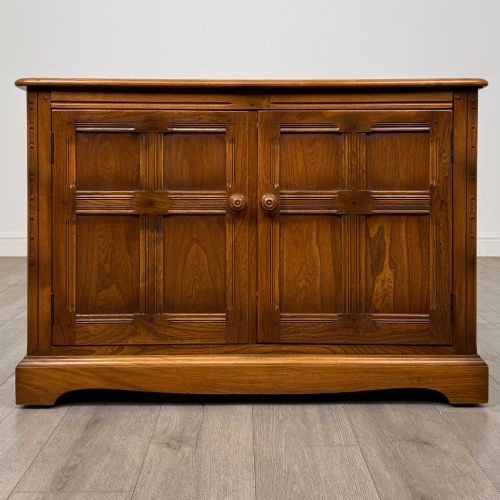
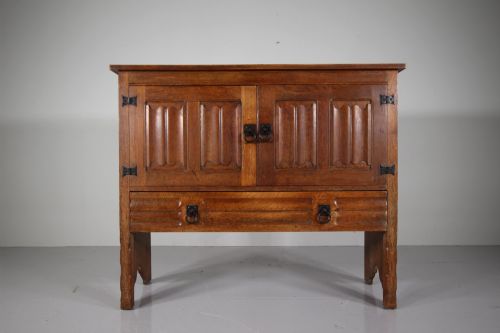
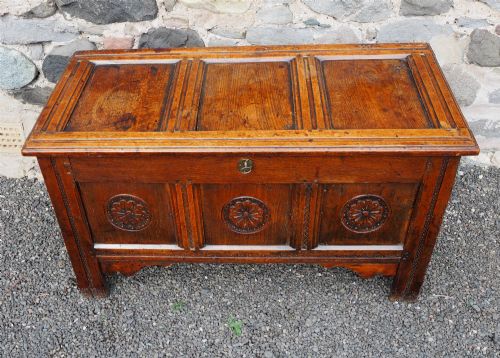
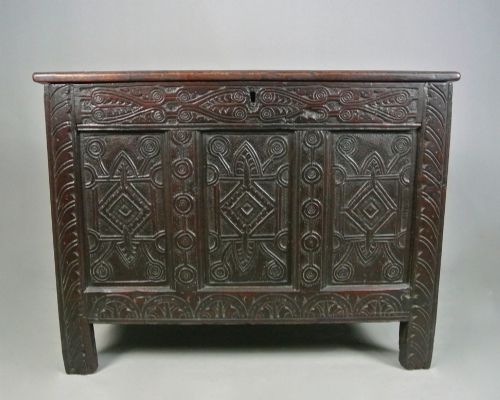
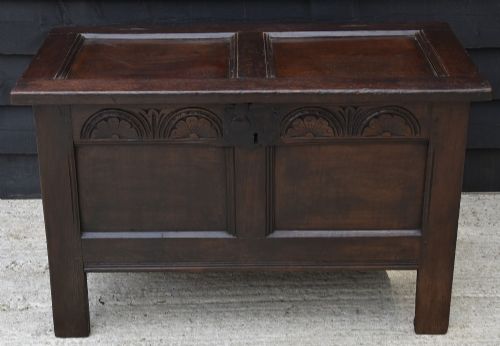
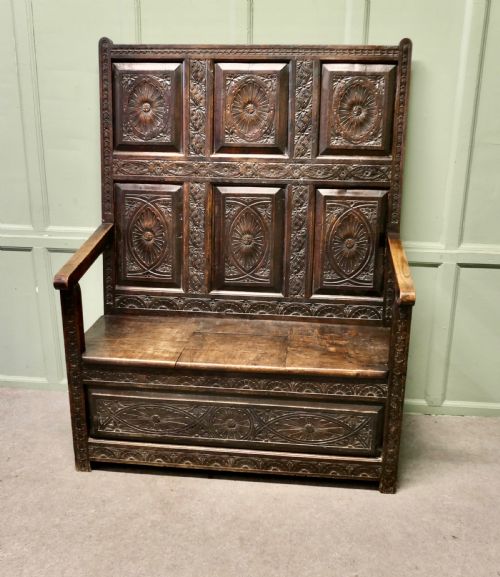
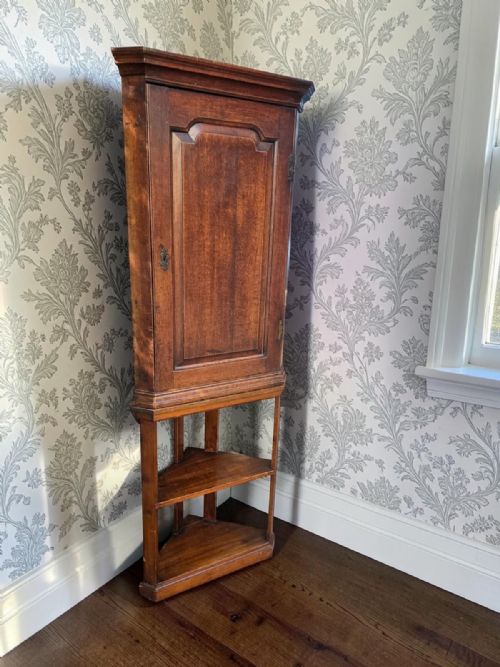
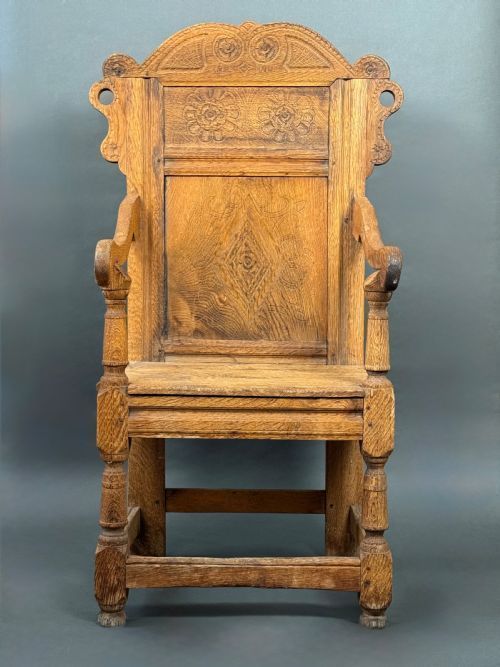
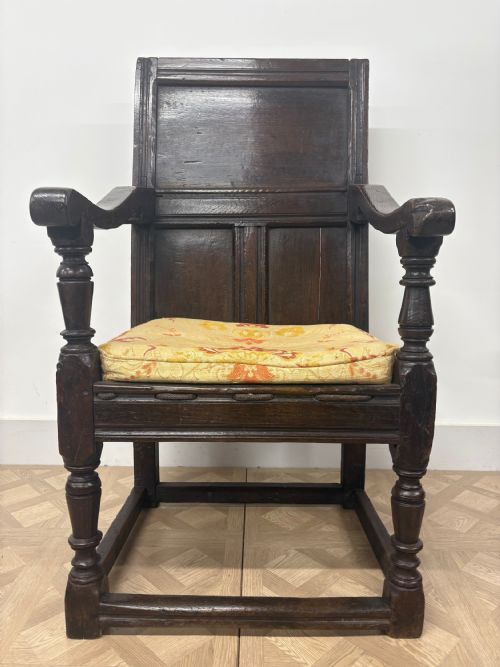
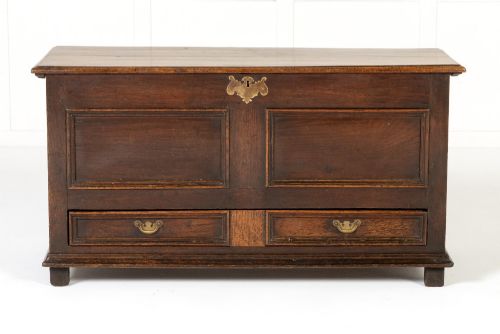
When searching for an antique English oak panel, buyers encounter architectural fragments, individual carvings, and structural components extracted from historic interiors, alongside complete furniture pieces like coffers, mule chests, and wainscot armchairs incorporating panel construction. These items originate predominantly from the 16th, 17th, and 18th centuries, showcasing the evolution of domestic carpentry from heavy Tudor framing to refined Georgian cabinetry.
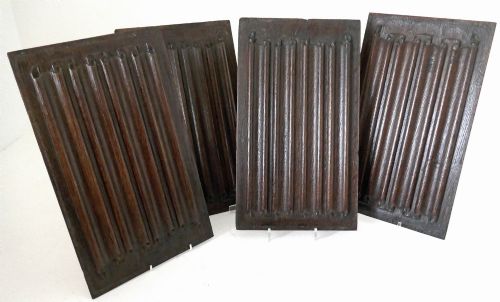
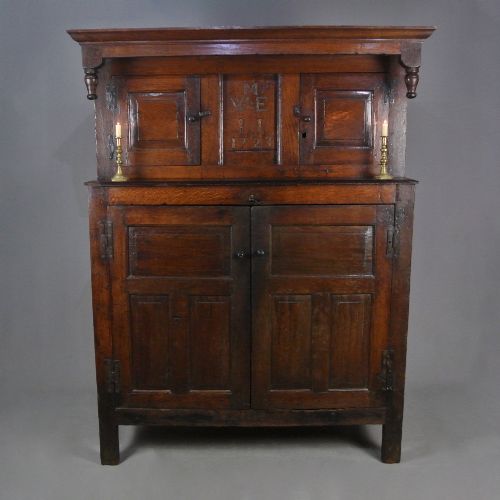
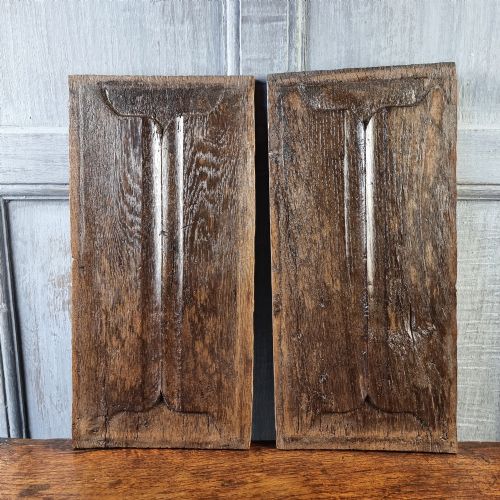
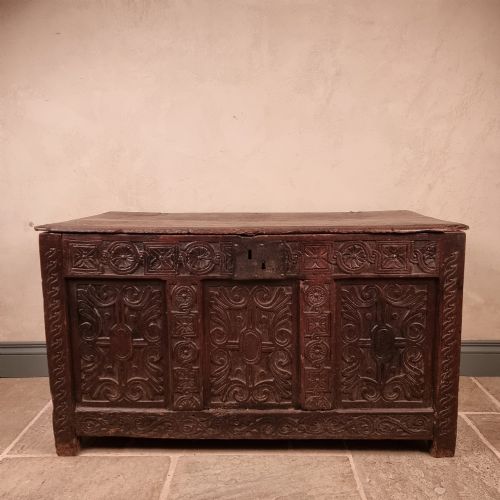
The most common formats on this page include standalone carved panels featuring linenfold, floral, or geometric motifs, as well as joined coffers and court cupboards where multiple panels form the primary structure. Such items reflect the domestic architecture and storage traditions of early modern England, serving both decorative and functional roles in period rooms.
How They Were Made
Constructed primarily from solid English oak, these pieces utilise traditional frame and panel joinery designed to accommodate the natural expansion and contraction of timber. Joiners secured the frame using mortise and tenon joints locked with wooden pegs, leaving the central panels free to float within grooves.
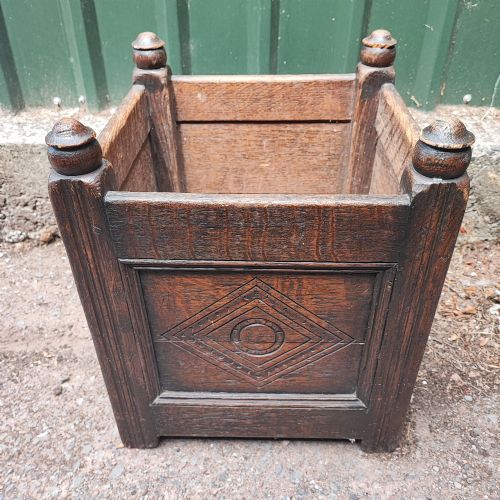
Surface decoration relied on hand carving using gouges and chisels, producing motifs such as lozenges, scrolling foliage, and linenfold patterns. Secondary materials like iron hinges, latches, and occasional brass details appear on opening furniture, while older panels display the distinct tool marks of early cleft and pit-sawn preparation.
Listings feature oak panels and furniture spanning from the 16th century through the Victorian era, incorporating iron and brass hardware.
What Varies In Quality
The standard of carving distinguishes superior examples, where crisp detail, deep relief, and confident execution elevate simple timber into exceptional folk art. Pieces featuring intricate iconography like the tree of life or distinct regional characteristics command greater appreciation among collectors.
Integrity of surface finish and the survival of original structural elements determine the upper tier of the range. Retaining authentic joined framing without extensive timber replacement preserves the historical value of the piece.
The Antique English Oak Panel Glossary
- Linenfold
- A style of carved wooden panelling popular in the Tudor period that resembles folded cloth. This motif creates a vertical texture across flat surfaces.
- Coffer
- A large wooden chest used historically for storage and seating. These sturdy boxes typically feature panelled construction and hinged lids.
- Wainscot
- A heavy wooden armchair originating in the 16th and 17th centuries, constructed using panel and frame techniques. These seats were costly possessions reserved for heads of households.
- Mule chest
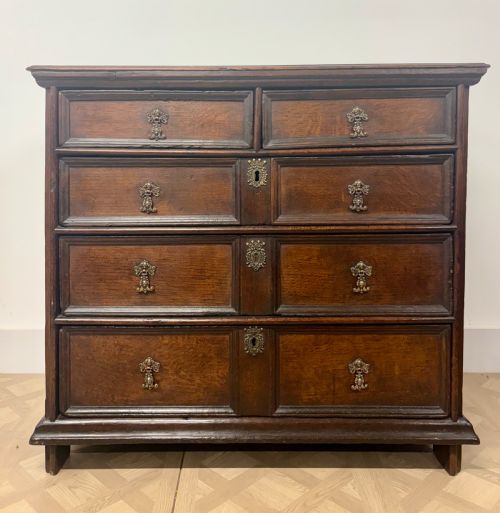
- A storage chest fitted with one or more drawers beneath the main compartment. They bridge the gap between traditional coffers and modern chests of drawers.
- Fielded panel
- A wooden panel with bevelled edges that sit within a surrounding frame. This technique reduces weight while adding depth to furniture fronts.
Antique English Oak Panel: Frequently Asked Questions
How do I date an oak panel?
Dating relies on examining tool marks, construction methods, and stylistic motifs visible across the timber. Early pieces often show irregular hand-sawn surfaces and pegged mortise joints.
Changes in decorative vocabulary, shifting from Tudor linenfold to geometric 17th-century carving and later Georgian fielded panels, provide further chronological markers.
Were these panels always used for furniture?
Many surviving panels originated as architectural wall panelling inside historic English homes before being salvaged. Carpenters later incorporated these fragments into decorative screens or secondary boxes.
Standalone panels were also carved specifically for wall mounting or as decorative inserts within larger domestic schemes.
How should I care for antique oak?
Maintain stable indoor humidity levels to prevent the solid oak from drying out or splitting. Keep wooden panels away from direct heat sources and strong sunlight.
Apply occasional applications of traditional beeswax to nourish the grain and preserve the historic surface patina.
What is the difference between a coffer and a chest?
In historical terms, a coffer is a heavy storage box constructed using joined frame and panel techniques. Simple chests may use older boarded construction methods without floating panels.
Both served identical domestic purposes for storing textiles, valuables, and household provisions.