




Antique English Garden Picture
An antique English garden picture brings quiet rural paths and blooming borders directly onto your interior walls.
Antique English Garden Picture
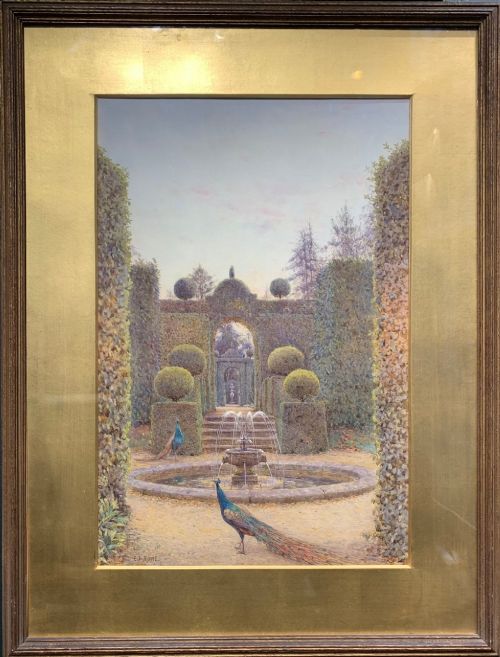
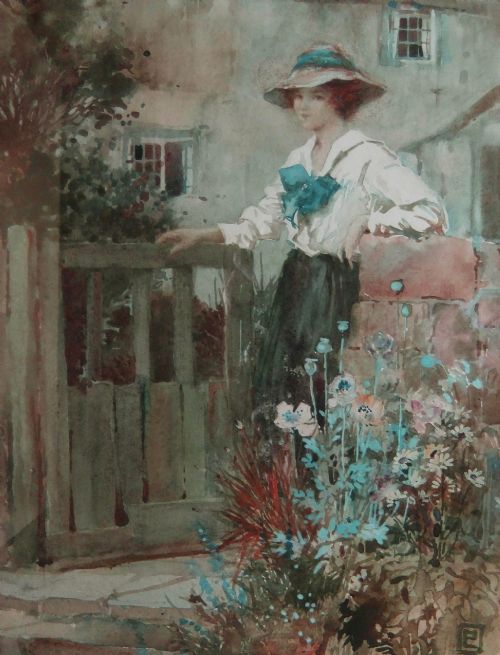
An antique English garden picture captures domestic horticulture, country house grounds, and cottage flora across the nineteenth and early twentieth centuries. These artworks span from late Victorian genre scenes to British Impressionism and early twentieth-century landscapes.
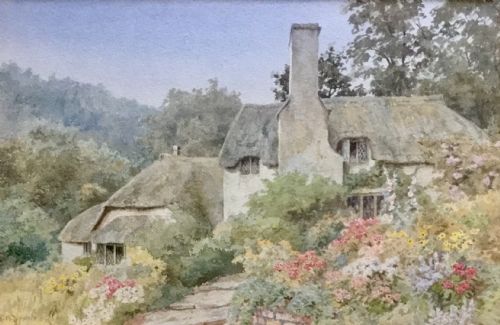
Buyers meet framed works on paper, canvas, and mixed media panels depicting walled gardens, herbaceous borders, and artists' retreats. The majority of pieces on this page originate from the decades around nineteen hundred, alongside several nineteenth-century examples.
Subjects range from specific locations such as Kew Gardens and Collingham to unnamed thatched cottages and sunlit lawns. Painters recorded these horticultural spaces using watercolour pigment and oil paint on canvas or paper.
How these artworks were created
Artists painted these garden scenes using watercolour pigment on paper and oil paint on canvas. Many works employ mixed media to capture the texture of floral plantings and foliage.
Makers housed these paintings behind glass within wood and gilt wood frames. The structural combination of paper, board, canvas, and wooden framing defines the physical preservation of each piece.
The listings on this page span the nineteenth century, the nineteen hundreds, nineteen tens, nineteen twenties, and nineteen thirties.
What dictates quality in these paintings
Quality rests upon the artist's handling of light, shadow, and botanical detail across the canvas or paper surface. Works by established named painters demonstrate superior draughtsmanship and tonal control compared to anonymous school pieces.
The sophistication of the original framing, particularly period gilt wood, contributes significantly to the visual weight and integrity of the piece. Preservation of the watercolour pigment or oil paint without heavy fading or intervention determines the endurance of the artwork.
Ernest Arthur Rowe·Percy Lancaster·Harry Wanless·Lilian Stannard·Owen Bowen·David Woodlock·Herbert Royle·Arthur Claude Strachan·Ernest Higgins Rigg·Jane Utley·Walter Dendy Sadler·Theresa Sylvester Stannard·George Frederick Nicholls·Fred Merriman
The Antique English Garden Picture Glossary
- Watercolour
- A paint consisting of colour ground in a water-soluble binder, traditionally applied to paper surfaces in translucent washes.
- Impressionism
- A style of painting focusing on the visual impression of the moment, particularly regarding shifting light and open-air subjects.
- Genre painting
- The pictorial representation of scenes from everyday life, often featuring figures engaged in domestic or rural tasks within garden settings.
- Mixed media
- An artwork utilising more than one medium or material, combining watercolour with bodycolour or pastel upon paper.
- Gilt wood
- Wood coated with a thin layer of gold leaf or gold paint, frequently utilised for nineteenth and early twentieth-century picture frames.
Antique English Garden Picture: Frequently Asked Questions
What periods do these garden pictures cover?
The available artworks span from the nineteenth century through the Edwardian era up to the nineteen forties. Most pieces date from the decades surrounding nineteen hundred.
Nineteenth-century works sit alongside early twentieth-century watercolours and oil paintings, showing the evolving styles of British artists.
How should I hang an antique watercolour?
Keep watercolours away from direct sunlight to prevent the pigment from fading over time. Maintain stable room temperatures to protect the paper and framing.
Ensure the picture hangs securely on interior walls where humidity levels remain consistent.
What is the difference between oil and watercolour garden paintings?
Oil paintings utilise oil paint applied to canvas or wood panels, offering rich textures and deep pigment layers. Watercolours use water-soluble pigments on paper, creating translucent effects.
Oils are generally heavier and housed in substantial frames, while watercolours require glass protection.
Are these paintings signed by the artists?
Several works feature visible signatures from painters such as Harry Wanless, Lilian Stannard, and Owen Bowen. Other pieces are attributed to the English School of the nineteenth century.
Signatures help establish the authorship and period context of individual artworks.