

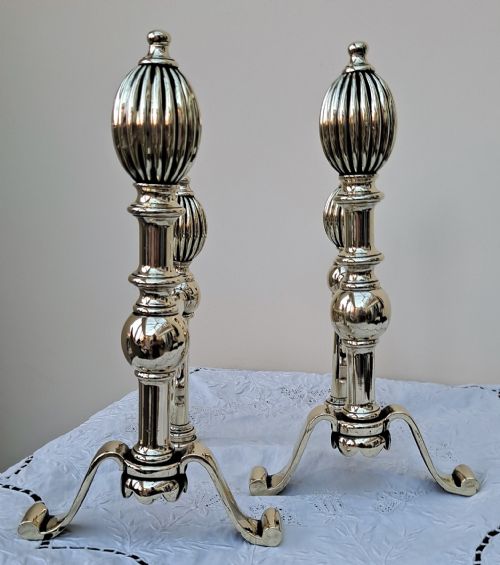


Antique English Fire Grate
An antique english fire grate brings warmth and period character to a hearth through robust metalwork designed for burning solid fuel.
Antique English Fire Grate
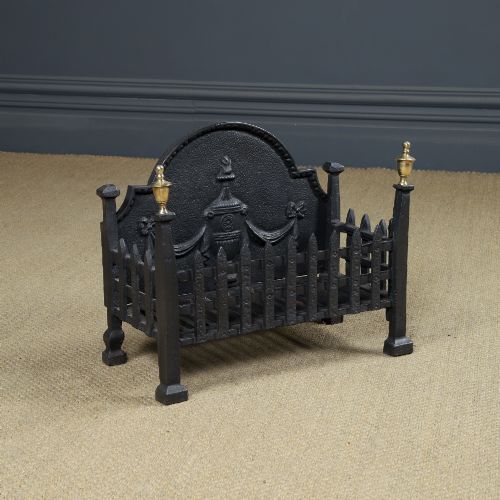
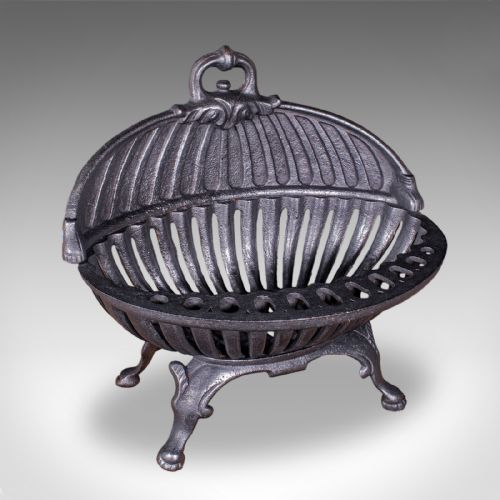
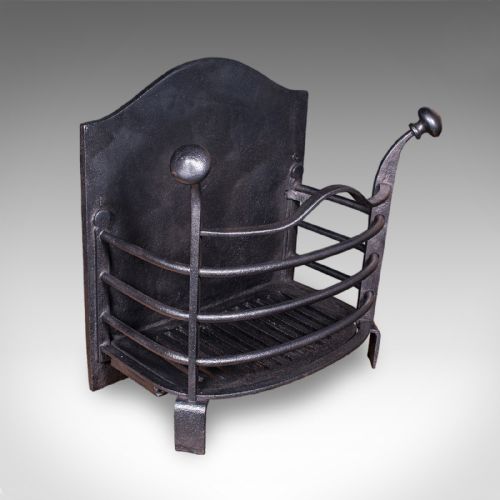
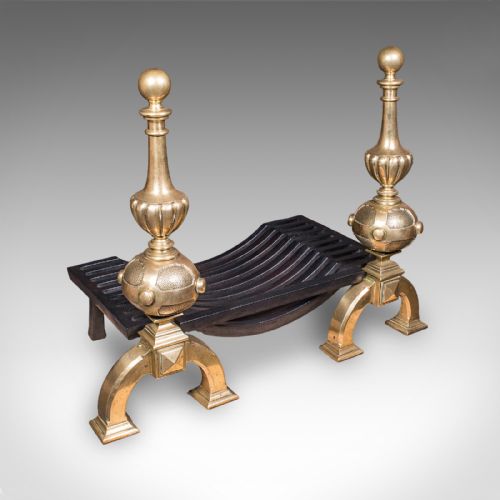
An antique english fire grate serves as the central iron basket or hearth structure within a fireplace, holding logs or coal safely above the floor of the hearth. These pieces appear in forms ranging from simple open baskets to elaborate sets complete with matching andirons and fire backs.
The pieces available span multiple periods, with Victorian and Edwardian examples appearing frequently alongside items from the Georgian era and later revivals of earlier centuries. Buyers encounter both free-standing log baskets and grates integrated with hearth accessories.
Styles mirror the architectural shifts of their times, encompassing Gothic Revival, Neoclassical, and Regency designs. The construction accommodates the practical demands of solid fuel heating while displaying decorative metal casting and forging.
What varies in quality
Quality rests in the weight and thickness of the metal, where heavier castings and substantial wrought iron bars indicate superior durability and original cost. Fine detail in cast motifs, such as crisp foliage or heraldic elements, separates standard production from work with artistic ambition.
The integrity of the assembly matters greatly, with well-fitted joints and robust andirons showing careful workshop practice. Pieces retaining matching sets of fire dogs or original fire backs maintain greater architectural cohesion.
Antique English Fire Grate Retail Price Guide 2026
Typical asking prices for english fire grate among the pieces listed under this phrase on Sellingantiques today, from the lower quarter to the upper quarter. They describe what is for sale here now, not the wider market.
The archive shows strong representation from the Victorian period alongside Edwardian and Georgian examples.
The Antique English Fire Grate Glossary
- Fire grate
- A metal basket or framework designed to hold coal or wood off the floor of a fireplace. It allows air to circulate underneath for efficient combustion.
- Andirons
- Supporting metal pillars placed on either side of a hearth, also known as fire dogs. They often hold the front of a fire basket or support logs directly.
- Fire back
- A heavy cast iron plate placed against the rear wall of a fireplace. It protects the masonry and radiates heat back into the room.
- Inglenook
- A large recessed hearth space designed to accommodate seating alongside the fire basket. Such spaces demand larger grates to heat the wider area.
Antique English Fire Grate: Frequently Asked Questions
How do I choose the right size?
Measure the width, depth, and height of your fireplace opening carefully before selecting a grate. Allow adequate clearance around the basket for air circulation and safety.
Consider whether you need a free-standing basket or a set that includes andirons, as the legs and side supports extend the overall footprint.
Can I burn real wood in these grates?
Most of these pieces were built to burn solid fuel such as wood or coal during their original period of use. Inspect the iron thickness and interior condition to ensure it remains suitable for active fires.
Some buyers prefer to use them strictly for decorative displays or with gas fire inserts rather than lighting open solid fuel fires.
How do I date an iron fire grate?
Dating relies on stylistic clues, such as Neoclassical symmetry, Victorian Gothic detailing, or Edwardian proportions. Surviving construction marks and the specific combination of cast and wrought iron also provide clues to the era of manufacture.
Design revivals mean items made around nineteen twenty often imitate eighteenth-century styles, so material wear and casting techniques require close observation.