

Antique End Table Cabinet
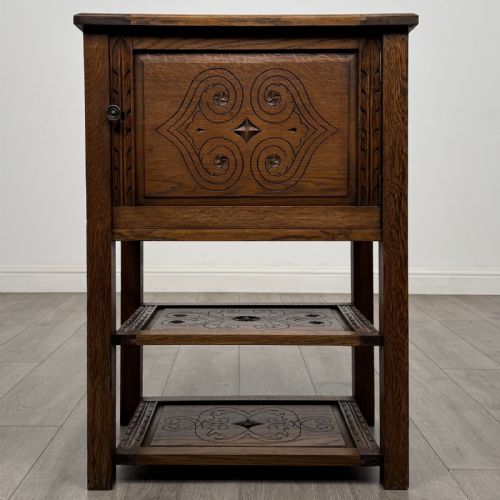
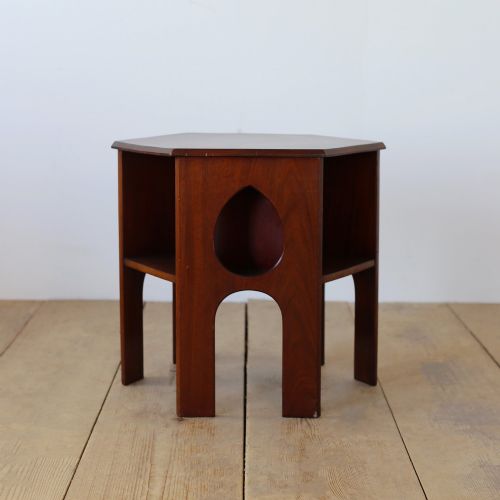
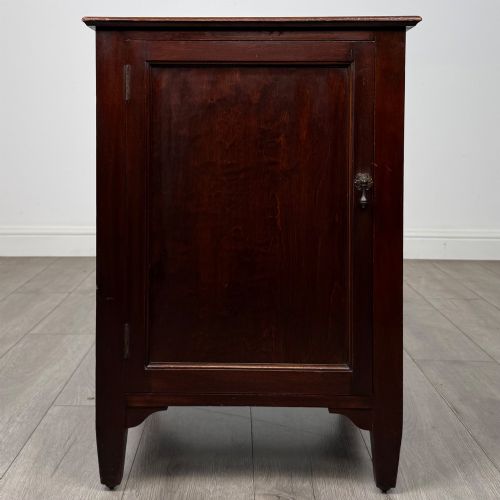
These antique end table cabinet designs bring small-scale storage and display into sitting rooms and bedrooms alike.
Antique End Table Cabinet
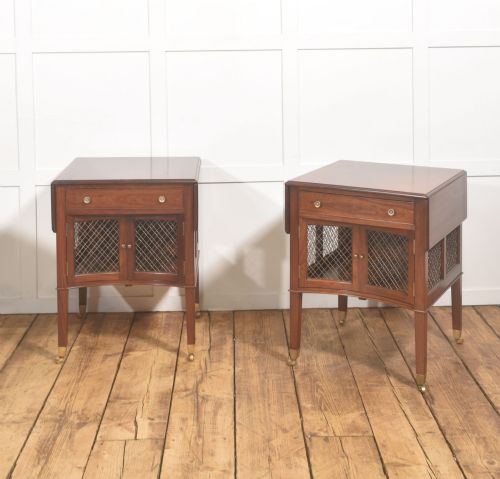
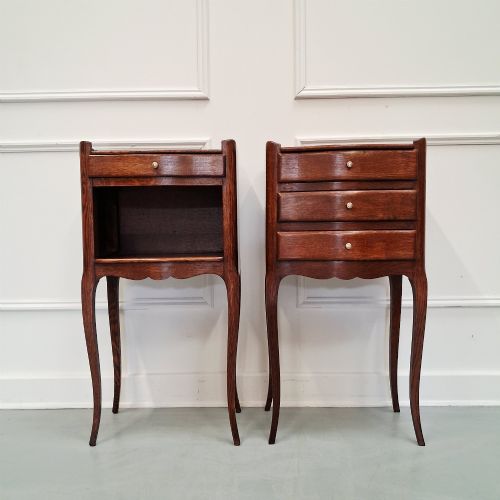
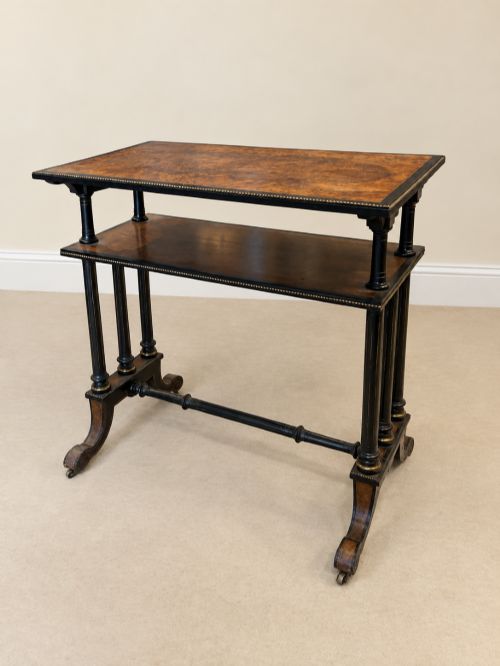
An antique end table cabinet combines the surface utility of a small table with enclosed storage, appearing in forms such as bedside cupboards, lamp tables, and side cabinets. The selection spans the nineteenth century through the Art Deco period, encompassing Victorian pieces in solid timbers alongside twentieth-century walnut and oak creations.
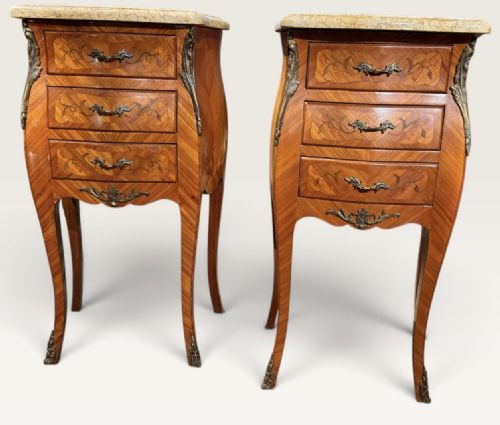
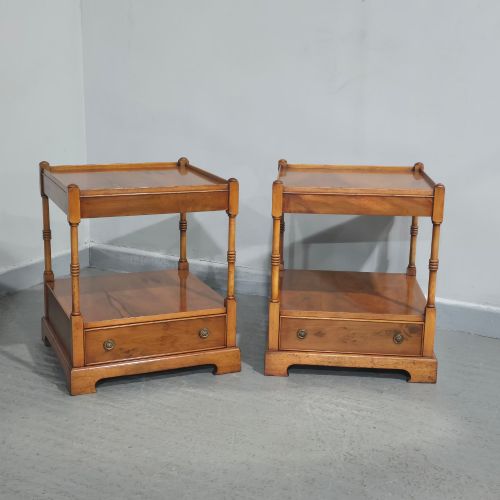
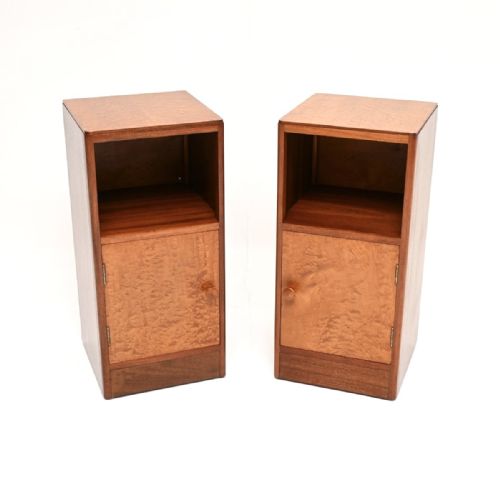
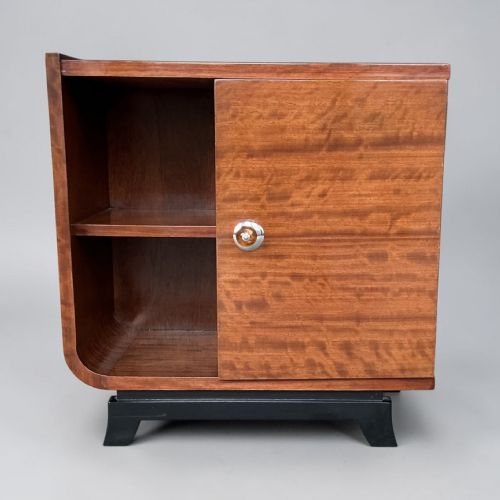
Most items on this page lean towards compact bedside cabinets and lamp tables intended to sit beside seating or sleeping quarters. Styles range from plain Edwardian oak and Georgian mahogany designs to French marquetry and streamlined Art Deco walnut pieces.
How They Were Made
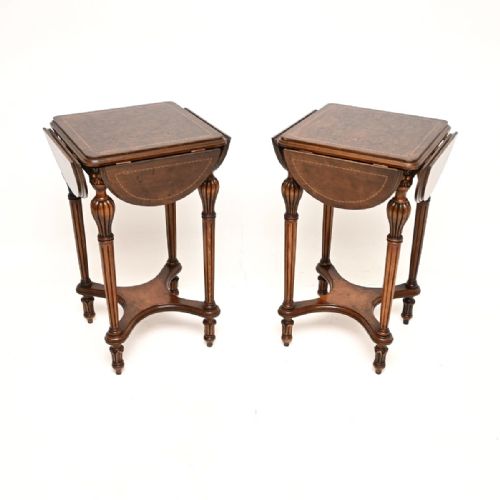
Cabinet makers relied primarily on dense hardwoods like mahogany, walnut, and oak, often applying figured veneers such as burr walnut and kingwood to external surfaces. Decorative detailing includes brass mountings, marquetry inlays, satinwood banding, and parquetry patterns.
Construction methods match the prevailing standards of each era, utilising solid timber frames alongside expertly laid veneers over stable secondary woods. Surface finishes depend on the period, ranging from traditional polish on nineteenth-century mahogany to mirror tops and ormolu mounts on later examples.
Antique End Table Cabinet Retail Price Guide 2026
Typical asking prices for end table cabinet among the pieces listed under this phrase on Sellingantiques today, from the lower quarter to the upper quarter. They describe what is for sale here now, not the wider market.
Design styles represented include Georgian, Regency, Victorian, Art Deco, and French provincial.
What Varies in Quality
The standard of an antique end table cabinet depends heavily on the choice of timber and the precision of its veneers. Pieces utilising highly figured burr walnut, rosewood, or detailed marquetry demonstrate greater workshop investment than plain stained alternatives.
Refinement in secondary details, such as matching pairs, well-executed brass hardware, and clean interior carpentry, separates standard utility furniture from finer decorative examples.
Walter Carter Harrods
The Antique End Table Cabinet Glossary
- Marquetry
- The art of applying decorative pieces of veneer to a structure to form intricate patterns or pictures. This technique often appears on French and Edwardian tables.
- Parquetry
- A geometric mosaic of wood pieces used for decorative floors and furniture surfaces. It creates a repeating pattern across tabletops.
- Ormolu
- Gilded bronze applications used for decorative mounts on nineteenth-century furniture. These metallic elements adorn corners, feet, and drawer fronts.
- Satinwood
- A durable, lustrous timber native to India and Ceylon, possessing a yellowish sheen. It frequently serves as a contrasting banding or inlay material.
- Bijouterie
- A glass-topped display compartment designed for holding small valuable items or curiosities. Edwardian display cabinet tables often use this format.
Antique End Table Cabinet: Frequently Asked Questions
Where should I place an end table cabinet?
These compact pieces fit comfortably beside a sofa as a lamp table or next to a bed to hold nighttime essentials. Their enclosed storage keeps smaller items out of sight.
They also work well in hallways or corners where surface space is needed without blocking walkways.
How do I identify an Art Deco cabinet?
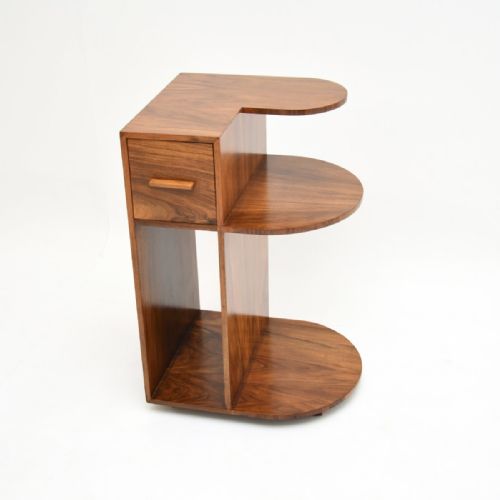
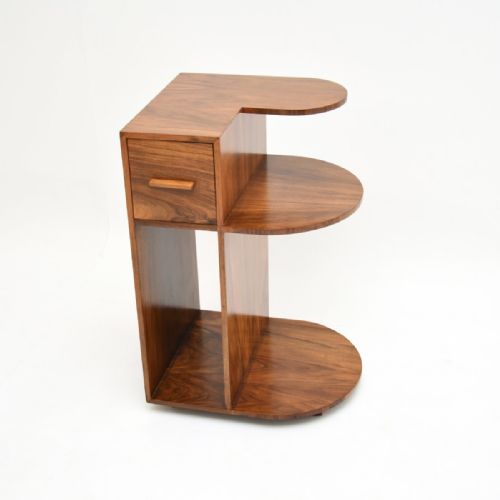
Art Deco pieces from the 1930s often feature streamlined geometric forms, curved edges, and highly figured walnut veneers. They lack the ornate carving of Victorian or Edwardian designs.
Instead, the aesthetic relies on the natural grain of the wood and occasionally mirror glass tops for visual impact.
Are these tables sold as pairs?
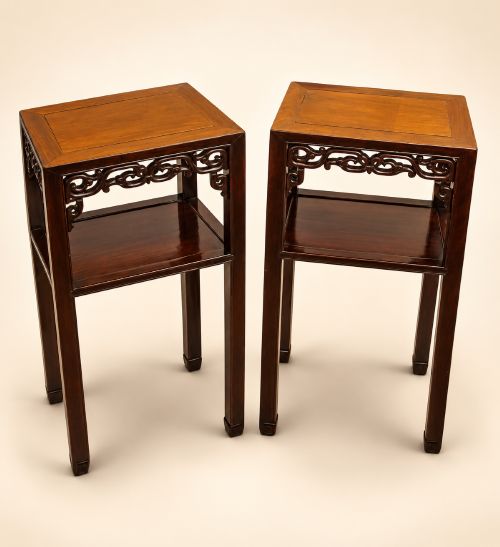
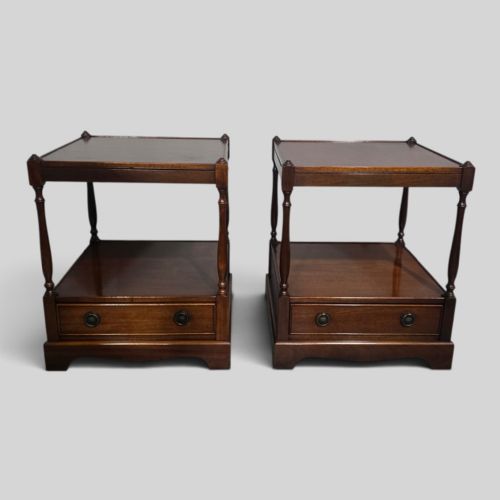
Many of the listings on this page consist of matching pairs, which suits symmetrical placement beside a bed or sofa. Single items also appear frequently for standalone use.
Checking the title will confirm whether you are looking at a single table or a matched pair.
What is the difference between a side table and a bedside cabinet?
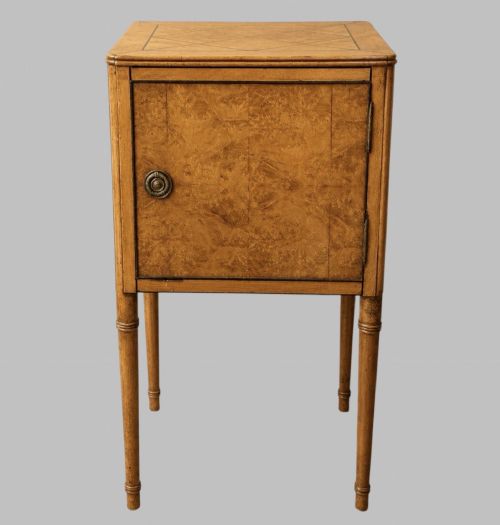
Side tables typically offer an open surface or a single drawer underneath for basic placement of lamps or books. Bedside cabinets incorporate a cupboard door enclosing a shelf for hidden storage.
Both formats serve similar functional roles in smaller living spaces.