




Antique Enamel Desk Clock
An antique enamel desk clock brings vibrant colour and precise mechanical craft to a bureau or mantelpiece.
Antique Enamel Desk Clock
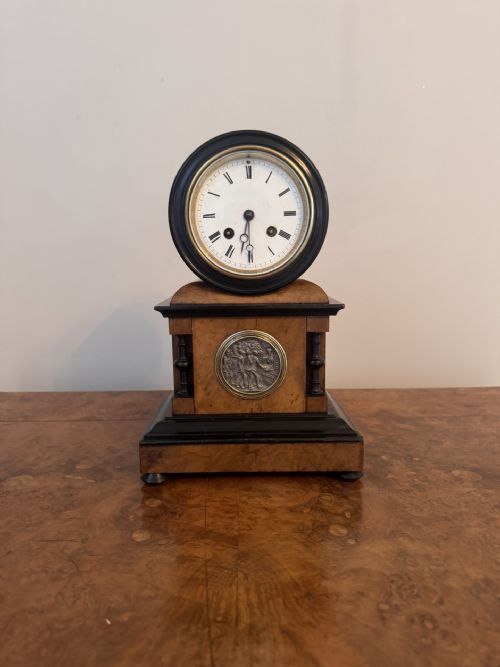
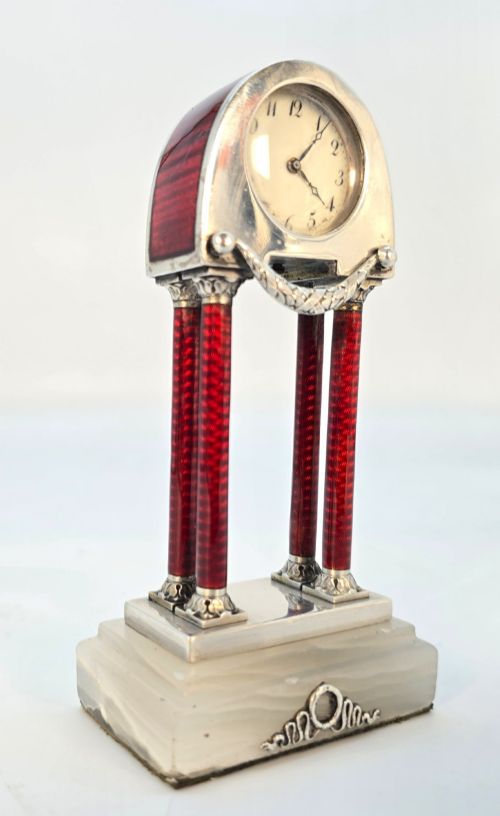
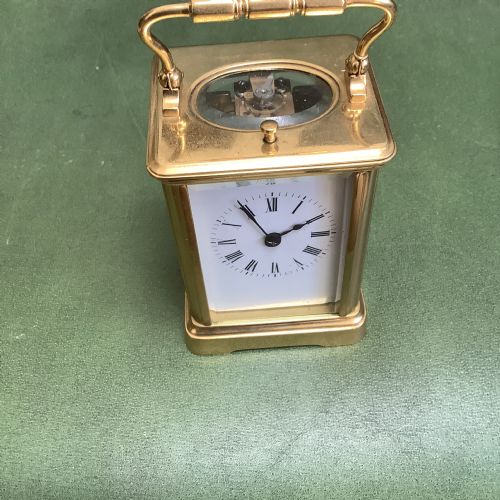
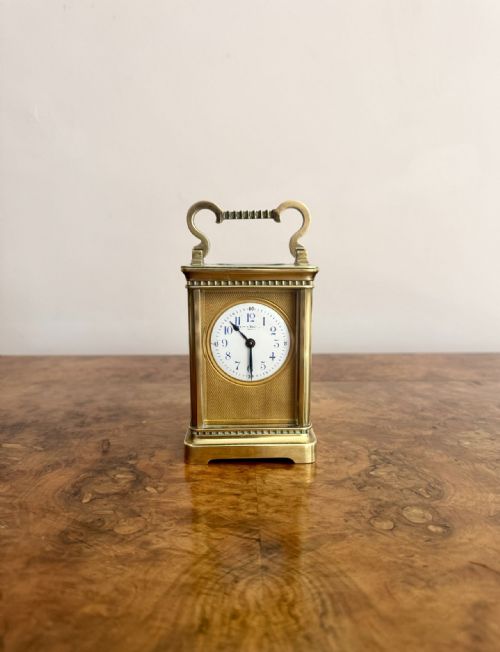
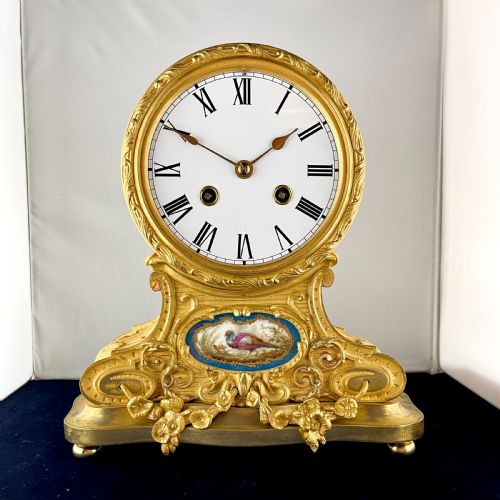
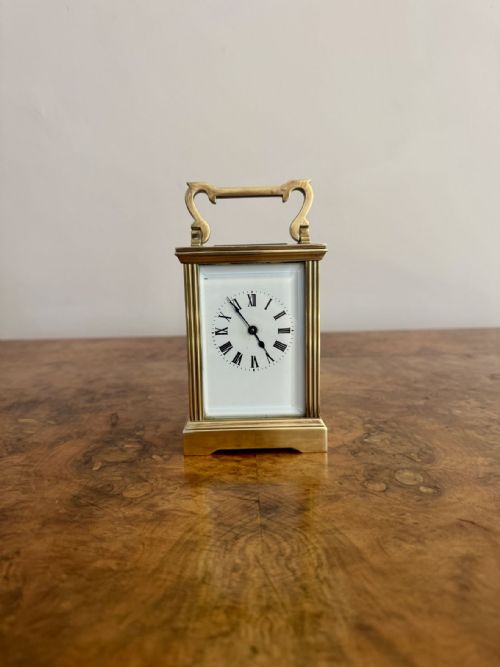
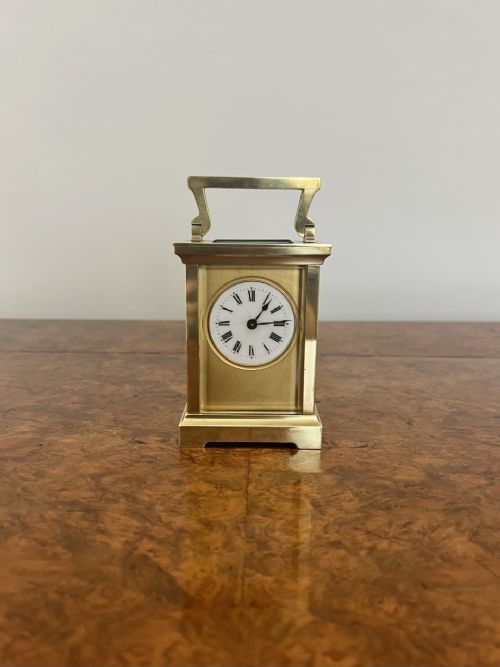
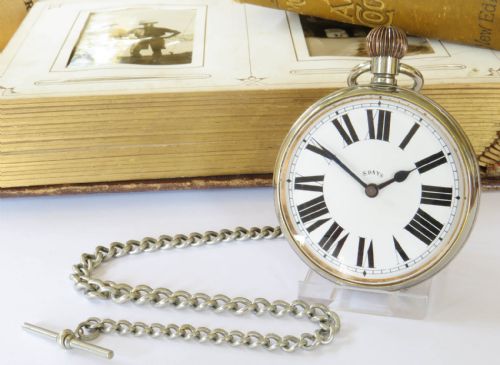
When you search for an antique enamel desk clock, you encounter portable timepieces produced during the Victorian, Edwardian, and Art Deco eras. The pieces span miniature strut clocks, carriage clocks with enamel dials, and portico desk clocks originating from British, French, and Viennese workshops. French examples dominate the selection, often pairing brass or gilt bronze housings with intricate champlevé or painted enamel work.
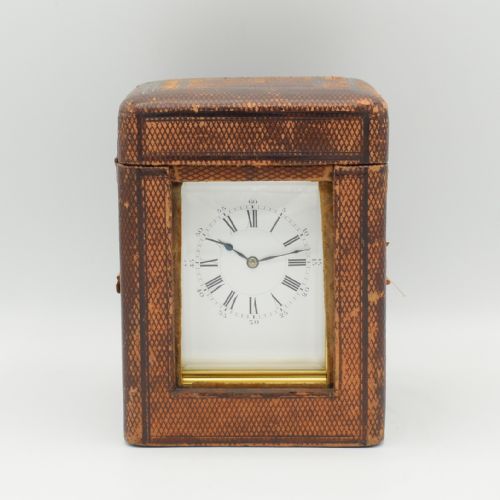
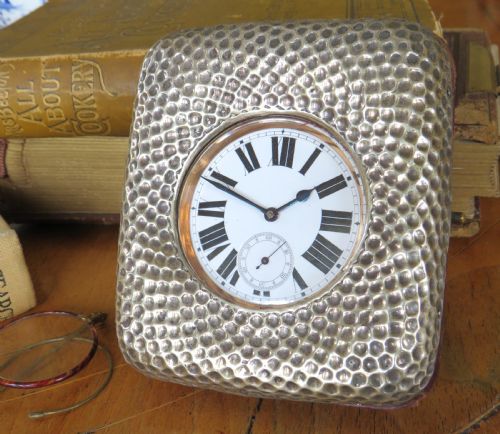
The forms vary from simple bedside travel clocks to elaborate mantel pieces and clock garniture sets. Many incorporate glass panels, silver cases, or leather travel variants alongside traditional brass carriage frames. These timepieces served both practical timekeeping and decorative interior functions in nineteenth and early twentieth century homes.
Materials and Construction Methods
Makers constructed these clocks using heavy cast brass, ormolu, gilt bronze, and silver to form robust outer cases. Glass and crystal panels frequently enclose the mechanical movements, allowing visibility of the escapement and gear trains. Enamel was applied to dials or bezel surrounds using techniques such as champlevé, where recessed metal cells hold the coloured vitreous paste.
Movements relied on Swiss or French escapements, featuring eight-day or daily spring-driven mechanisms. Craftsmen often integrated alarm functions, repeating strikes, or platform escapements into compact carriage clock and desk clock housings.
Materials documented across the listings include brass, silver, nickel, glass, ormolu, gilt bronze, leather, and vitreous enamel.
Factors Defining Quality
The distinction between standard production and top tier pieces lies in the crispness of case engraving and the complexity of the enamel work. Finer clocks display hand-painted dials, multi-coloured champlevé patterns without chipping, and heavy gilt bronze or solid silver framing. Maker attribution to known workshops elevates the standing of an individual piece.
Mechanical execution also separates grades, with jewelled movements, platform escapements, and signed backplates indicating superior original manufacture. Complete original travel cases and functioning strike mechanisms add further distinction to surviving examples.
Henri Jacot·Georg Adam Scheid·Pickford of London·Drocourt Paris·David Veasey for Liberty·Tiffany
The Antique Enamel Desk Clock Glossary
- Champlevé
- A technique where troughs or cells are carved into the surface of a metal object and filled with vitreous enamel before firing. The resulting surface presents flat planes of vibrant colour bordered by thin metal lines.
- Carriage clock
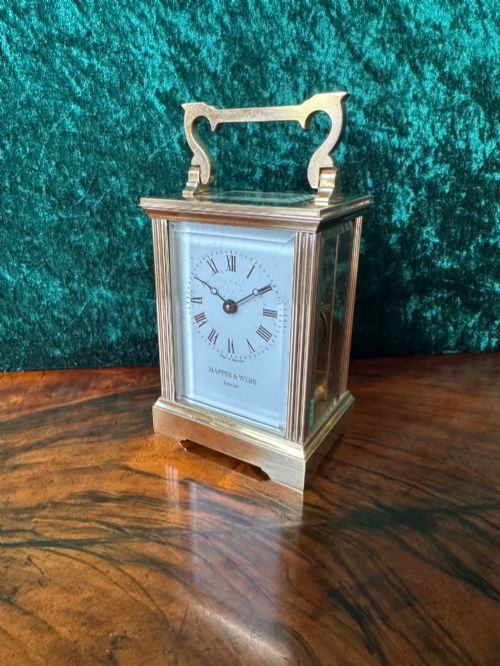
- A small, spring-driven timekeeper equipped with a carrying handle, originally designed for officers and travellers during the nineteenth century. These clocks typically feature glass sides and brass frames.
- Ormolu
- A method of applying finely ground high-carat gold to a bronze object using a mercury amalgam. This treatment yields a rich, durable golden finish characteristic of French decorative items.
- Gorge case
- A stepped, pillared brass housing style commonly found on late nineteenth century carriage clocks. It provides a distinct architectural profile around the glass panels.
- Portico desk clock
- A miniature architectural timepiece styled after classical building facades, often incorporating columns and elevated pediments. These pieces frequently feature silver and enamel decoration.
Antique Enamel Desk Clock: Frequently Asked Questions
How do I wind an antique desk clock?
Most antique enamel desk clocks utilise a dedicated winding key inserted into arbors on the backplate or dial face. Turn the key gently until firm resistance indicates the mainspring is fully tensioned.
Avoid over-winding, as this can snap older steel springs. Ensure you support the clock body securely while operating the mechanism.
What is a carriage clock travel case?
A travel case is a protective leather or wooden outer box lined with velvet or silk, made to shield a portable clock during transit. These fitted cases often feature small compartments for the winding key.
Surviving original cases significantly enhance the completeness of an antique desk clock.
How do I date an antique enamel clock?
Dating relies on stylistic cues, case hallmarks, and movement signatures engraved on the backplate. Victorian and Edwardian pieces often display retailer stamps or registration numbers.
Comparing the escapement type and enamel style against documented manufacturing periods helps narrow the production window.
Where should I place a desk clock?
Position your clock on a stable, level surface away from direct sunlight, dampness, and severe temperature fluctuations. Desks, mantelpieces, and bedside tables provide ideal environments.
A level surface is essential for the balance wheel and escapement to beat evenly and maintain accurate time.