








Antique Emerald Glass
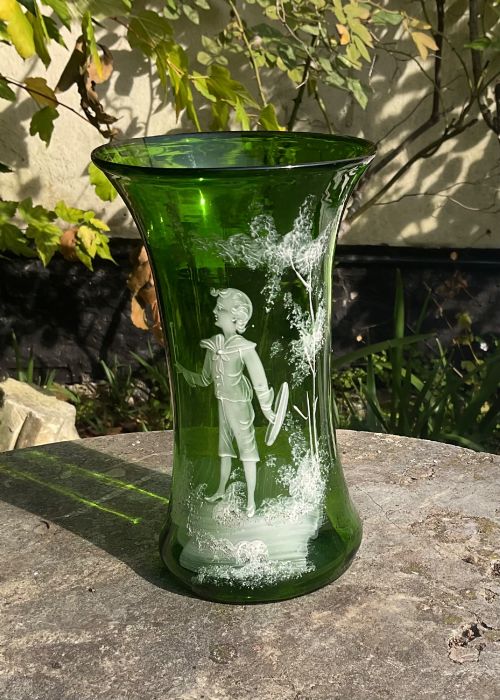
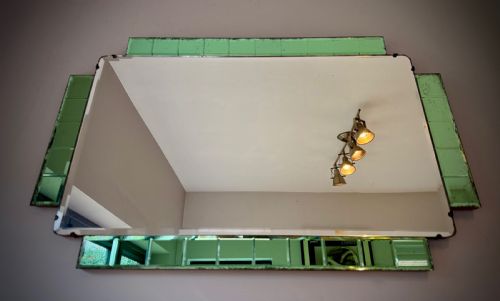
Antique emerald glass brings deep, rich colour to the table and display cabinet through items spanning Georgian drinking vessels to Art Deco dressing table pieces.
Antique Emerald Glass
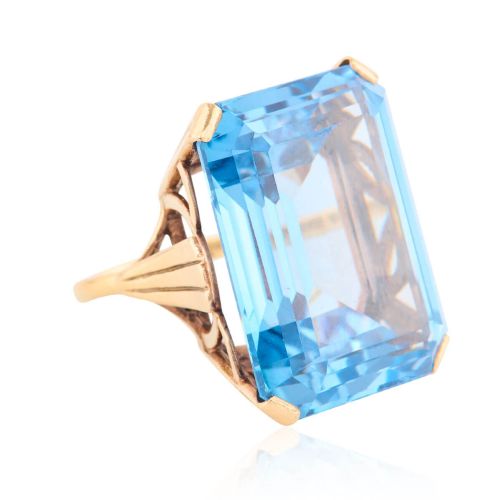
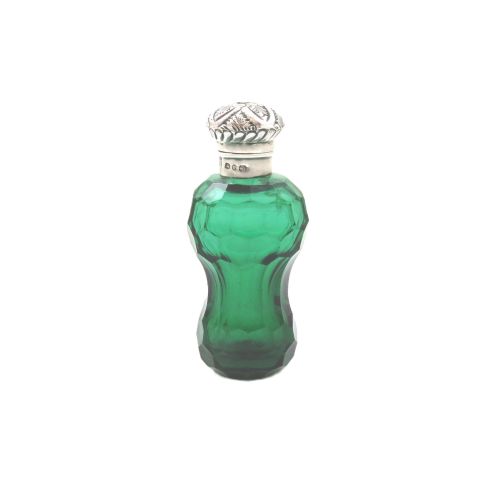
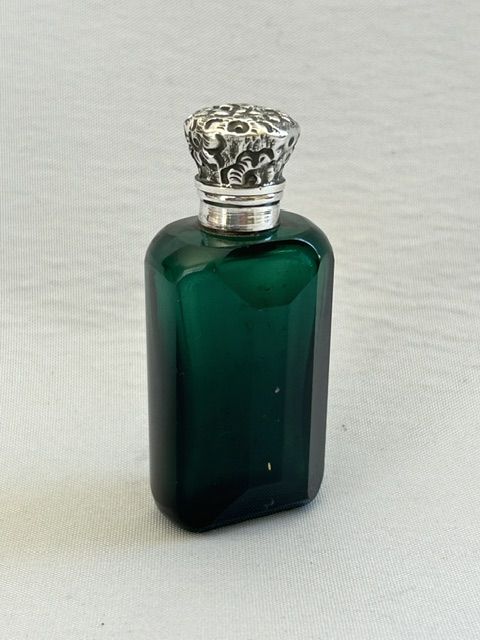
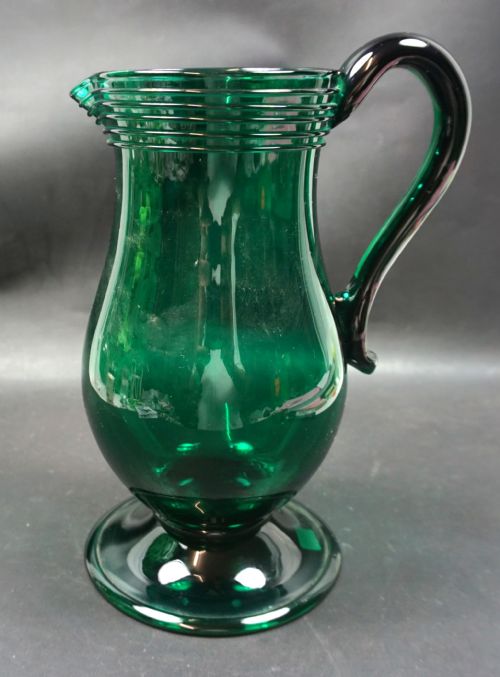
When buyers search for antique emerald glass, they encounter an array of vibrant green vessels, jewellery, and home accessories produced across the Georgian, Victorian, and twentieth-century periods. The selection frequently includes drinking glasses such as hock wines and drams, alongside scent bottles, decanters, and decorative vases.
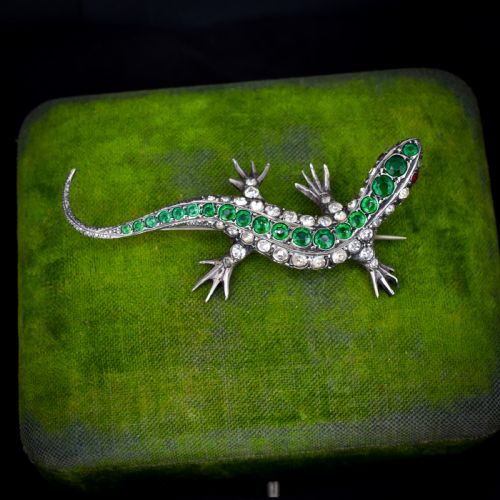
Tableware from the Victorian and Georgian eras dominates the offerings, often presenting deep Bristol green tones in sets of wine glasses or single table lustres. Alongside domestic glassware, items such as silver-mounted perfume bottles and paste jewellery set in gold or silver appear with regularity.
Materials and techniques
Maker workshops utilised lead crystal, coloured glass, and mercury glass, often layering green glass over clear crystal to allow for subsequent cutting and engraving. Techniques such as enamelling, gold leaf application, and silver mounting added ornamental detail to jugs, vases, and scent bottles.
Cut glass production involved forming lead crystal or green glass bodies and grinding geometric patterns into the surface, while overlay techniques required fusing coloured glass blanks before cutting away portions to reveal the contrasting layer beneath.
Antique Emerald Glass Retail Price Guide 2026
Typical asking prices for emerald glass among the pieces listed under this phrase on Sellingantiques today, from the lower quarter to the upper quarter. They describe what is for sale here now, not the wider market.
Listings feature Victorian, Georgian, and Art Deco periods, encompassing materials like sterling silver, enamel, and lead crystal across diverse forms.
Variations in quality
Quality rests upon the crispness of the glass cutting, the weight and clarity of the metal or crystal base, and the precision applied to secondary materials like sterling silver mounts and enamel painting. Pieces featuring complex layered overlays or signed studio designs demonstrate a higher degree of artisan skill.
The integration of metal components, such as securely fitted silver collars on scent bottles or well-balanced silver-plated frames, distinguishes superior execution from standard utilitarian production.
Baccarat·Val St Lambert·St Louis Massenet·Karl Palda·Stuart
The Antique Emerald Glass Glossary
- Bristol green
- A deep, vibrant shade of green glass traditionally associated with English production around the Bristol area during the Georgian and Victorian eras. This coloration became a standard for wine and spirits vessels.
- Table lustre
- A two-piece decorative glass ornament featuring a central vase or bowl hung with cut glass prisms. They adorned nineteenth-century mantelpieces to reflect candlelight.
- Paste
- Faceted lead glass cut and polished to imitate gemstones like emeralds, often mounted in silver or gold during the Georgian and Victorian periods. It represents a distinct jewellery tradition rather than simple imitation.
- Overlay
- A technique where a layer of coloured glass is fused over a clear or contrasting glass body before portions are cut away. This exposes the underlayer to create sharp geometric or floral patterns.
- Scent bottle
- A small container designed for holding liquid perfume, frequently fitted with a hinged silver or metal cap. Victorian examples often combined green glass bodies with intricate sterling silver repoussé work.
Antique Emerald Glass: Frequently Asked Questions
How do I date antique emerald glass?
Dating relies on identifying manufacturing techniques, stylistic markers, and any accompanying hallmarks on silver mounts. Georgian pieces often display pontil marks and deeper, heavier metal content, while Art Deco items feature geometric moulding and streamlined silhouettes.
Maker signatures, etching styles, and the specific shade of green also assist in narrowing down the era of production. Comparing the piece to documented examples from periods like the Victorian or Edwardian years helps confirm its age.
How were emerald glass wine glasses used?
Coloured wine glasses served specific functions at the dining table, particularly for serving hock, Rhine wine, or dessert wines during multi-course meals. The tinted bowls helped mask sediments in older wines while adding visual contrast to the table setting.
During the Victorian era, matched sets of coloured stemware became status symbols for formal dinner parties. Guests utilised these distinctive glasses throughout the evening for specialised wine selections.
How do I clean antique green glass?
Cleaning requires warm water and mild dish soap applied with a soft cloth, avoiding abrasive pads that might scratch the surface. Items with silver mounts or enamel painting need extra care to ensure moisture does not damage adhesives or delicate metalwork.
Submerging antique glass in very hot water should be avoided to prevent thermal shock and subsequent cracking. Air drying on a padded mat protects delicate rims and handles from chipping.
Are paste stones in antique jewellery authentic?
Paste stones found in antique jewellery are period-authentic man-made glass gems rather than modern plastic imitations. Georgian and Victorian jewellers cut and set these materials by hand into silver and gold mountings as luxury items in their own right.
Examining the back of the setting often reveals closed backs or foil linings designed to enhance the brilliance of the paste. These stones hold historical significance as fine examples of period lapidary work.