


Antique Embroidered Velvet
Antique embroidered velvet describes historic textiles and upholstered seating combining plush pile fabrics with needlework, offering rich texture and authentic period character.
Antique Embroidered Velvet
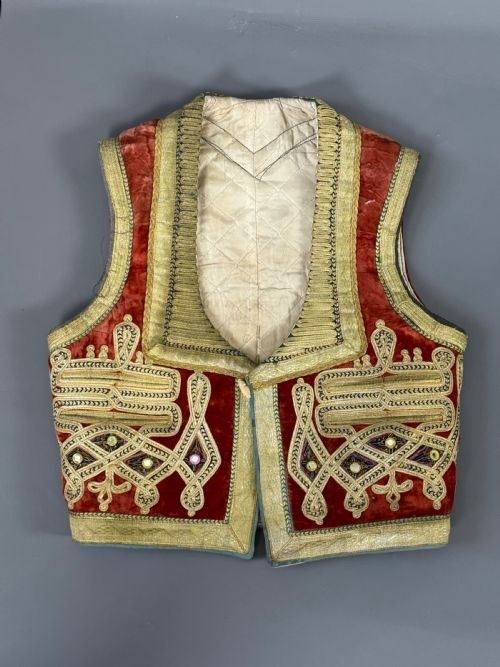
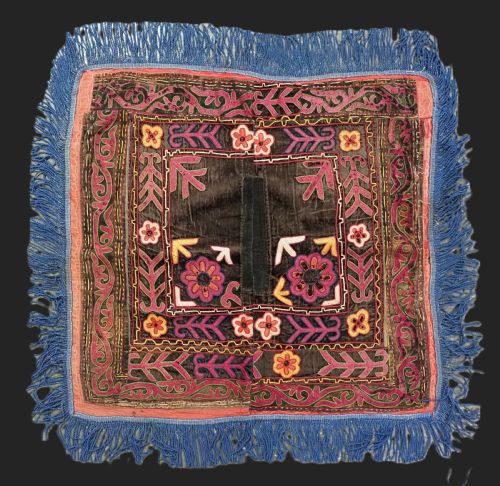
The search for antique embroidered velvet brings together a diverse selection of textiles and seating, ranging from wall hangings and waistcoats to Victorian armchairs and footstools. You will frequently encounter nineteenth-century pieces, including Ottoman waistcoats, Indian Delhi silk embroidery on green velvet, and Uzbek dowry pieces.
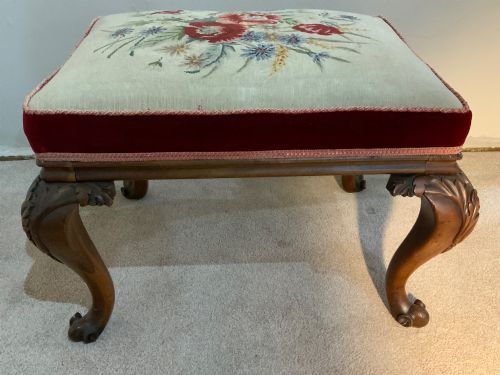
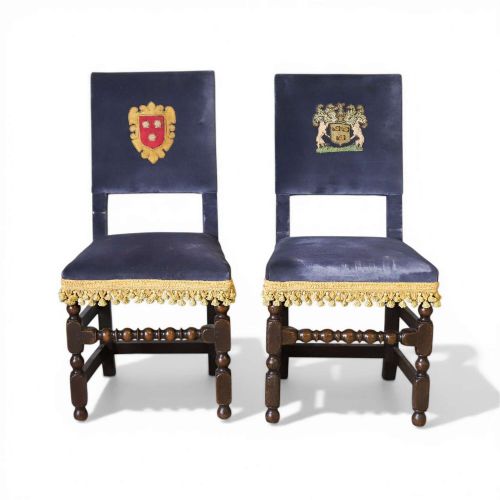
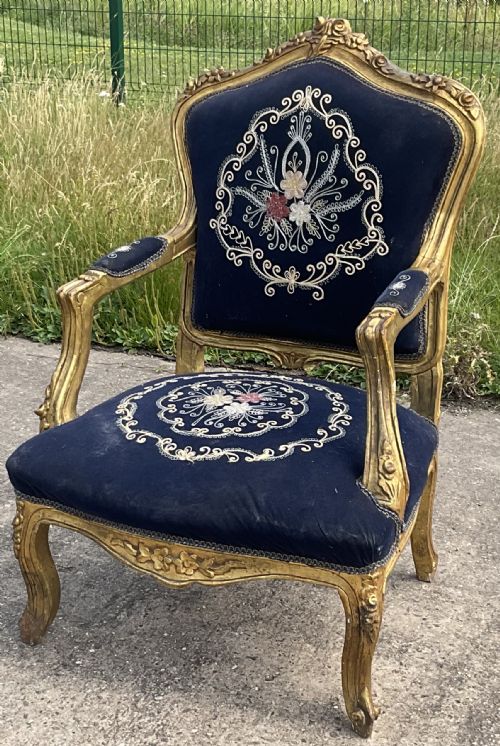
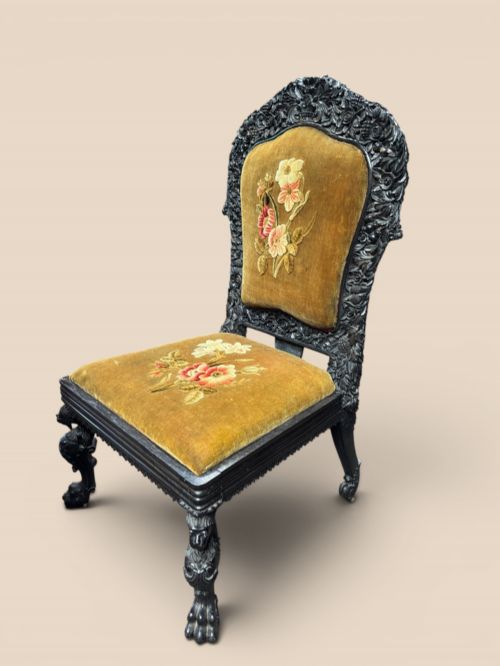
Beyond textiles alone, the category encompasses seating upholstered in historic fabric, such as Victorian mahogany stools, Regency armchairs, and Scottish oak armorial clan chairs. These objects span various regional traditions, including Turkish, Kurdish, Central Asian, and Spanish origins.
The forms vary from functional household furnishings to decorative panels, copes, and garments, reflecting the wide application of velvet and embroidery across different centuries and cultures.
Materials and construction
The construction of these pieces relies on foundational textiles such as velvet, silk, cotton, and tapestry, often supported by wooden frames in walnut, oak, mahogany, and ebony. Artisans worked these velvet grounds with metallic thread, silver metal thread brocade work, and silk embroidery.
Techniques combine the dense pile of woven velvet with intricate needlework, crewel work, and metal-thread embellishment. Frames for seating incorporate carved wooden structures, whilst wall hangings and garments utilise hand-stitched decorative elements.
A nineteenth-century Uzbek dowry hanging preserves the exact needlework traditions passed down through nomadic tribal families.
Judging quality in embroidered velvet
Quality rests upon the preservation of the velvet pile and the intricacy of the needlework, where tightly executed metallic thread and silk embroidery distinguish superior examples from simpler work. The integration between the textile and its supporting wooden frame or backing determines the overall integrity of the piece.
Origin and stylistic consistency also influence standing, as seen in the precision of regional techniques such as Ottoman metal-thread work or Central Asian tribal embroidery. Finer examples retain their original ground fabrics and complex thread work with minimal loss.
The Antique Embroidered Velvet Glossary
- Velvet
- A woven tufted fabric in which the cut threads are distributed evenly, with a short dense pile, giving it a distinctive soft feel.
- Metallic Thread
- A type of thread manufactured from or wrapped in a thin metal strip, often gold or silver, used for ornate embroidery.
- Cope
- A long liturgical vestment resembling a cape, frequently fashioned from decorative fabrics such as velvet and enriched with embroidery.
- Crewel Work
- A type of surface embroidery utilising wool to create flowing designs on a sturdy base fabric.
- Armorial
- Relating to heraldry or armorial bearings, often found embroidered or carved on historic clan chairs.
Antique Embroidered Velvet: Frequently Asked Questions
How do I clean antique velvet?
Historic velvet requires specialist conservation rather than standard washing, as water and modern cleaning agents damage both the pile and underlying metallic threads. Dusting gently with a soft brush helps maintain the surface without disturbing fragile fibres.
Professional textile conservators should handle any deep cleaning or repairs to prevent permanent loss of the historic fabric.
Where were these textiles made?
The items originate from diverse regions including Ottoman territories, India, Central Asia, Spain, and Britain. Each geographic area employed distinct motifs and materials, such as silver metal thread in Ottoman pieces or silk embroidery on Indian velvet grounds.
Examining the specific stitch work and backing materials often reveals the regional workshop or tribal tradition behind the piece.
Can I use these chairs daily?
Seventeenth- and nineteenth-century chairs upholstered in historic velvet serve best for light use or display rather than heavy family seating. The underlying wooden frames may be sturdy, but old textile upholstery wears down under continuous friction.
Placing them out of direct sunlight preserves the delicate silk pile and prevents the metallic threads from tarnishing further.
How do I date embroidered velvet?
Dating relies on stylistic clues, construction methods, and the specific materials used in both the woodwork and the embroidery. Nineteenth-century examples often feature machine assistance or distinct regional patterns, while earlier seventeenth-century pieces display characteristic hand-woven structures.
Comparing the condition of the ground velvet and the type of thread helps place the object within its correct period.