





Antique Embossed Frame
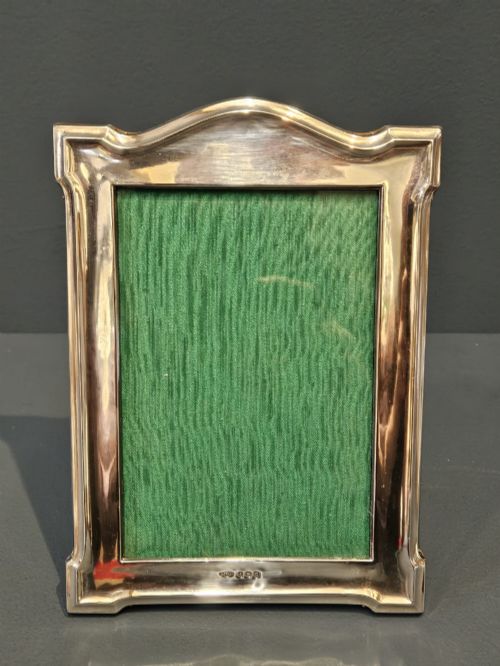
These antique embossed frame pieces combine metalwork and woodwork to display portraits and reflect light across a room.
Antique Embossed Frame
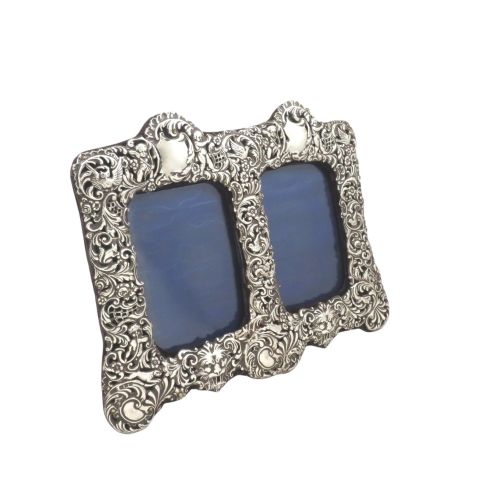
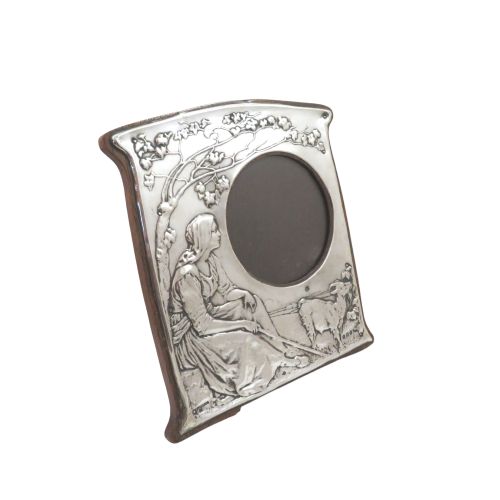
When you search for an antique embossed frame, you encounter a selection spanning the Victorian and Edwardian periods up to the 1930s. The assortment contains picture frames, photo frames, and mirrors formed from metal, wood, and glass.
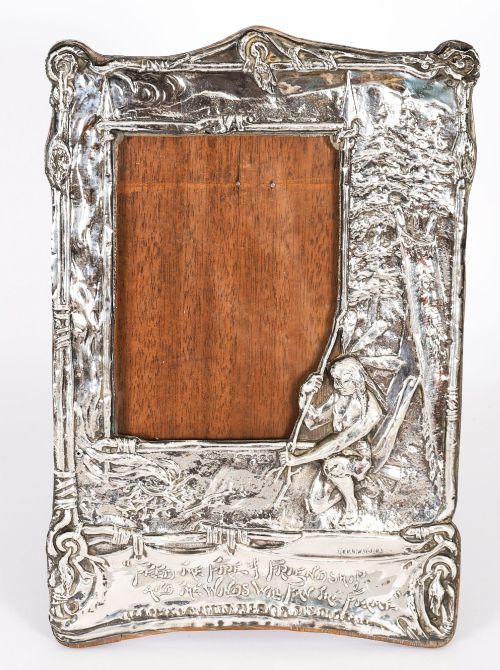
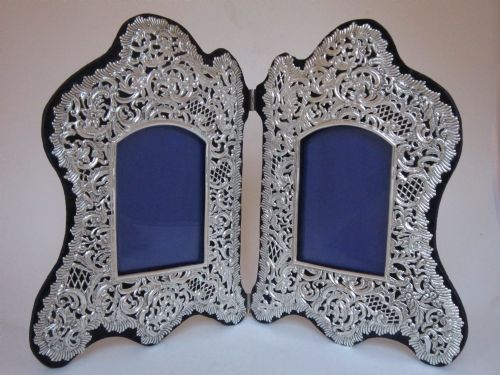
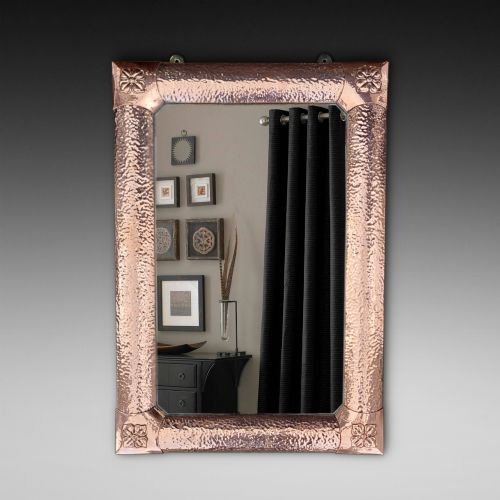
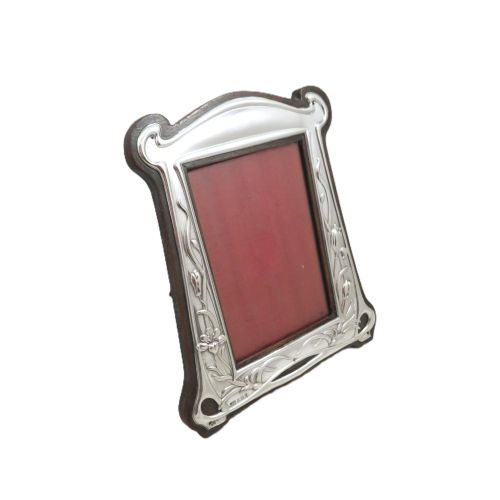
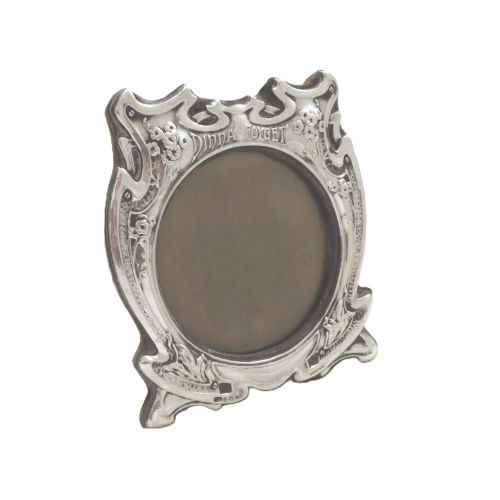
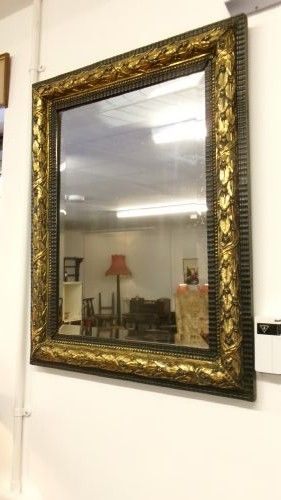
The most common formats on this page are sterling silver photo frames and brass or copper mirrors. These objects appear in tabletop and wall-hanging variants, often featuring vegetal, figurative, or geometric motifs shaped into the surface.
Materials and construction methods
Metals such as sterling silver, brass, and copper form the primary surfaces for the relief decoration. Artisans shaped these sheets using repoussé and embossing techniques, hammering the designs from behind or pressing them into relief.
Wooden backings, glass panels, and velvet supports complete the construction of the photo frames and mirrors. Frames often incorporate hinged struts, leather stands, or suspension loops.
Antique Embossed Frame Retail Price Guide 2026
Typical asking prices for embossed frame among the pieces listed under this phrase on Sellingantiques today, from the lower quarter to the upper quarter. They describe what is for sale here now, not the wider market.
Materials span sterling silver, brass, copper, wood, glass, velvet, leather, and pewter across Victorian, Edwardian, and Art Nouveau styles.
Distinctions in quality
The definition and depth of the embossed or beaten metalwork separate standard examples from finer pieces. Crisp detailing in figures, floral motifs, or heraldic elements shows greater craftsmanship by the maker.
The integrity of secondary materials, such as original bevelled mirror glass, intact velvet backing boards, and secure structural joints, dictates the overall standard of preservation.
The Antique Embossed Frame Glossary
- Repoussé
- A metalworking technique where the artisan hammers the design from the reverse side to create a raised pattern on the front. This method appears frequently on copper and brass mirror surrounds.
- Sterling silver
- An alloy containing ninety-two point five percent silver by mass, utilised extensively for Edwardian and Victorian tabletop photo frames.
- Giltwood
- Wood that has been coated with a thin layer of gold leaf or gesso, seen on larger decorative mirror frames from the nineteenth century.
- Bevelled glass
- Mirror or picture glass with an angled edge cut and polished to a specific width around the periphery.
- Ex-voto
- A votive offering placed in a sacred place for devotions, occasionally found mounted within antique frames.
Antique Embossed Frame: Frequently Asked Questions
How do I clean an antique silver frame?
Use a soft microfibre cloth to remove dust from the embossed metal surface without applying excessive pressure to the raised details. Avoid harsh chemical dips that strip the aged patina from the recesses of the design.
Keep moisture away from the wooden or velvet backing components while dusting. Professional silver polish should be used sparingly and kept clear of any fitted glass or fabric elements.
Were these frames meant for walls or tables?
The pieces designed for tables typically feature hinged wooden struts and velvet backing boards to support upright display. Wall-mounted variants incorporate hanging loops or heavy wooden frames built for vertical suspension.
Smaller silver and brass pieces generally served as photograph holders on dressing tables and desks. Larger copper, brass, and giltwood items functioned as wall mirrors or decorative artwork displays.
How do I identify an Edwardian silver frame?
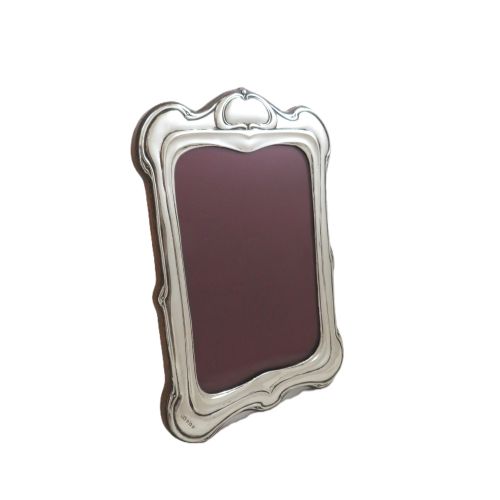
Edwardian silver frames often incorporate hallmarks indicating Birmingham or London assay offices alongside specific date letters from the early 1900s. Stylistic markers include flowing Art Nouveau plant motifs and heart shapes.
These pieces frequently utilise dark blue or red velvet backings paired with silver fronts. The metalgauge tends to be substantial, carrying maker marks associated with the period.
What is an Art Nouveau frame?
An Art Nouveau frame exhibits asymmetric flowing lines, stylized plant stems, and organic forms inspired by natural growth. These designs emerged around the turn of the twentieth century in sterling silver, copper, and gesso.
Human profiles, such as the Reynolds Angels or maiden figures, frequently integrate into the embossed borders. The aesthetic prioritizes artistic handcrafting over rigid industrial symmetry.