

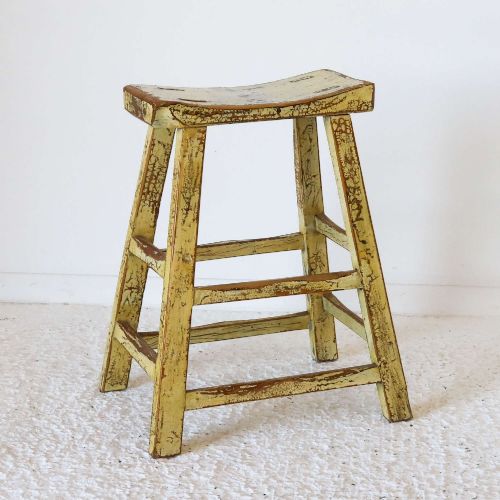
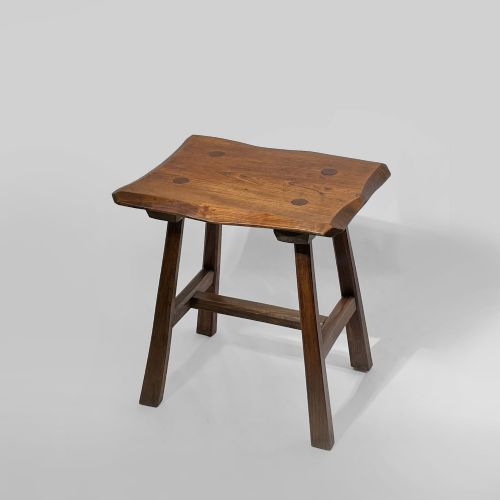
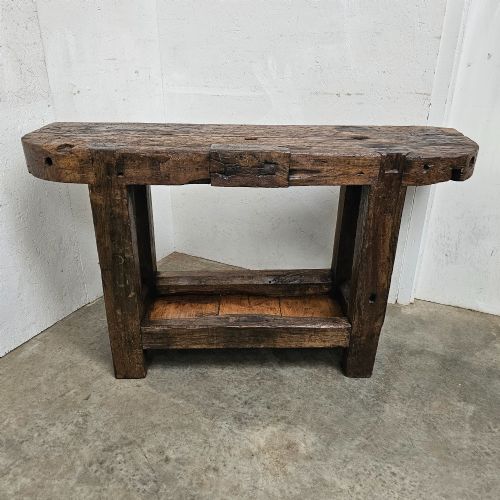


Antique Elm Benches
These antique elm benches bring honest country character into a room, offering sturdy seating built from durable hardwood.
Antique Elm Benches
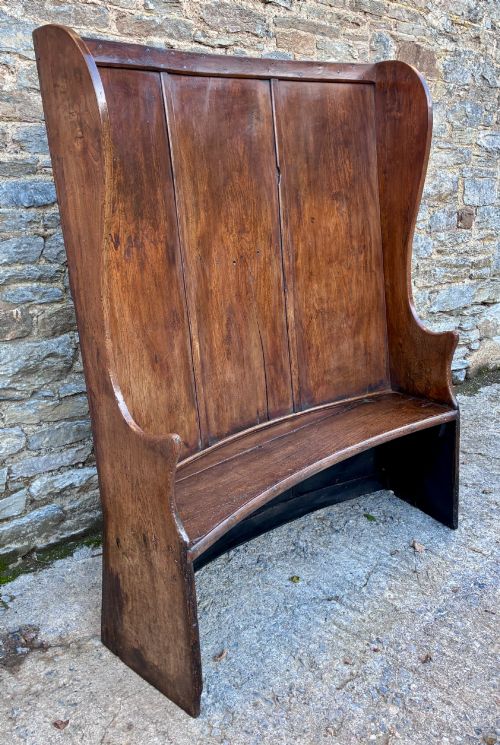
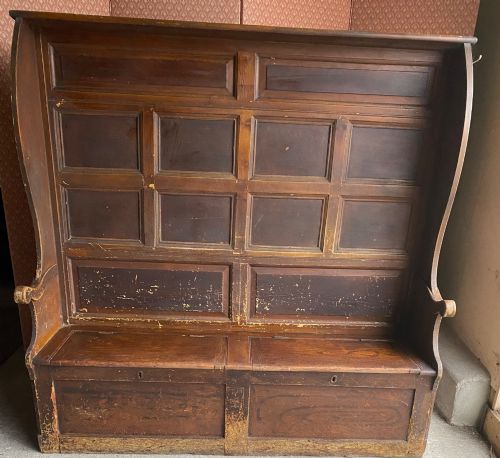
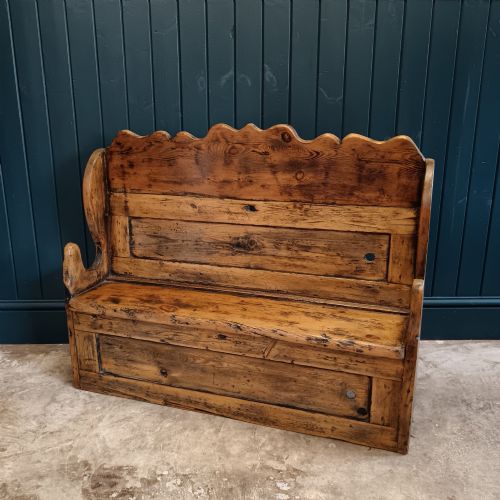
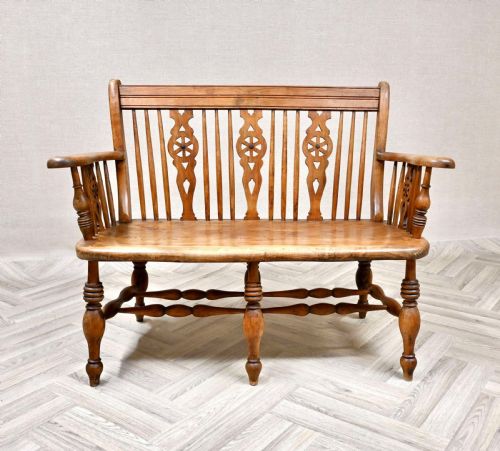
When you search for antique elm benches, you encounter functional seating spanning the seventeenth century through to the Edwardian period, often reflecting rural traditions. These pieces range from simple provincial forms and settles to workshop seating and French country designs.
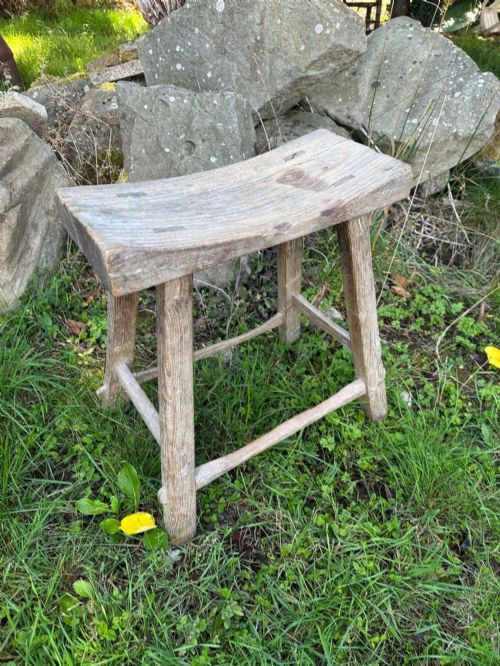
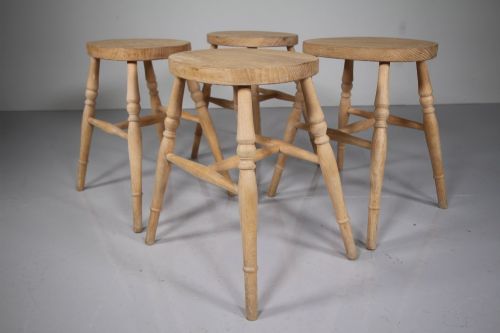
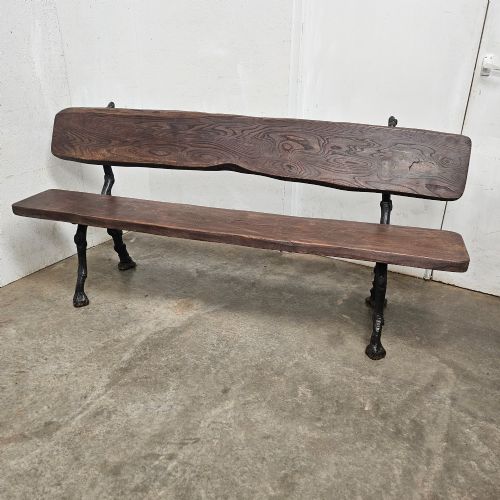
The selections on this page draw heavily from English, French, and Chinese origins, encompassing low tables, tavern settles, and long garden or hallway benches. Elm frequently pairs with oak, pine, or sycamore, resulting in robust furniture designed for practical daily use.
What varies in quality
Quality depends upon the integrity of the original timber and the retention of an honest, unstripped surface patina. Examples that display deep natural colour and minimal structural replacement command greater appreciation.
Construction methods also distinguish finer workshops from basic utilitarian pieces, showing in the tightness of joints and the balance of proportion in vernacular forms.
Antique Elm Benches Retail Price Guide 2026
Typical asking prices for elm benches among the pieces listed under this phrase on Sellingantiques today, from the lower quarter to the upper quarter. They describe what is for sale here now, not the wider market.
Materials recorded across these seating forms include solid elm, oak, sycamore, pine, ash, and iron.
The Antique Elm Benches Glossary
- Settle
- A wooden bench with a high back, solid arms, and often a box base, designed to keep out draughts in older homes.
- Faux bois
- A technique imitating wood, seen on garden benches where metal or concrete mimics natural timber.
- Trestle
- A structural support consisting of a horizontal beam fixed to two splayed legs, commonly found beneath long tables and benches.
- Patina
- The surface sheen and colour developed over centuries of use, cleaning, and exposure to light.
- Windsor
- A chair or bench construction method where individual spindles and legs are fitted directly into a thick, solid carved seat.
Antique Elm Benches: Frequently Asked Questions
Where should I place an antique elm bench?
These benches suit narrow hallways, the foot of a bed, or alongside a dining table where their linear form fits well against walls.
Their robust timber construction also allows them to function effectively as window seats or occasional seating in living spaces.
How do I care for antique elm furniture?
Keep elm benches away from direct heat sources and sudden temperature shifts to prevent the timber from splitting.
Apply occasional traditional beeswax to nourish the wood and maintain the natural surface finish without sealing it unnaturally.
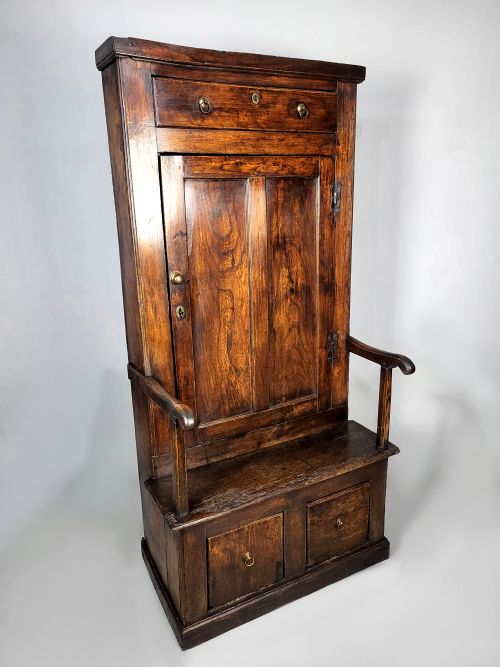
What is a bacon settle?
A bacon settle is a high-backed wooden bench featuring an enclosed upper section traditionally used for curing and storing meat.
These pieces date back to earlier centuries when rural households needed practical furniture that doubled as food storage.
How can I tell the period of a bench?
Dating relies on observing construction marks, joint types, tool use, and the natural wear accumulated on the timber over generations.
Stylistic cues such as Georgian panelling or Arts and Crafts simplicity also help place pieces within specific centuries.