

Antique Ebonised Glass
Antique ebonised glass pieces bring together dark timber frames and reflective surfaces across Victorian, Georgian, and Aesthetic Movement designs.
Antique Ebonised Glass
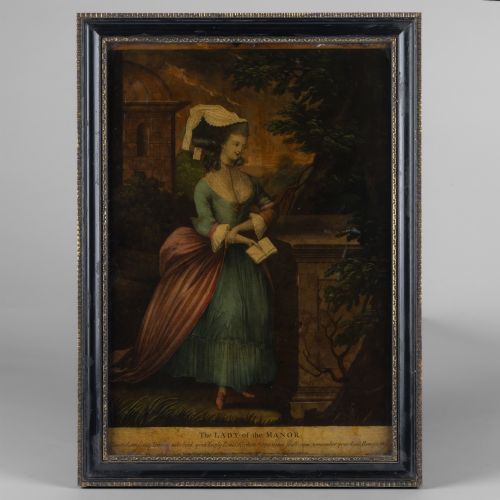
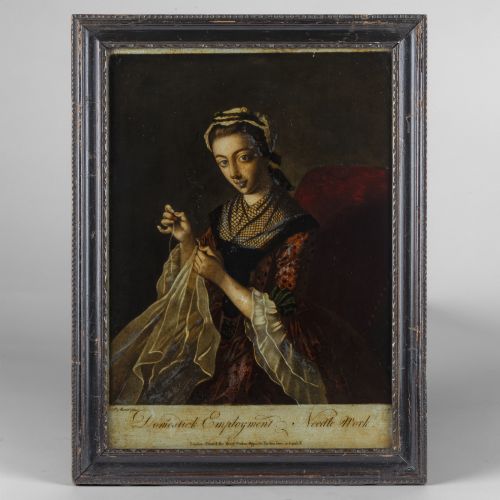
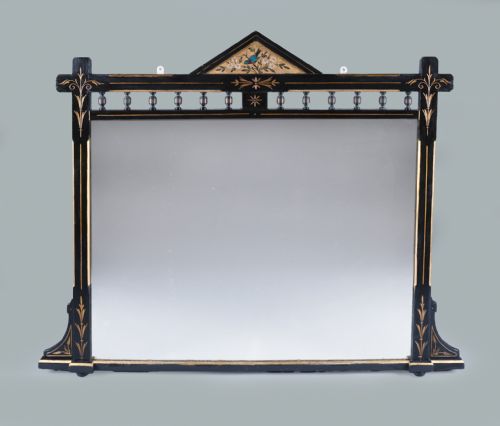
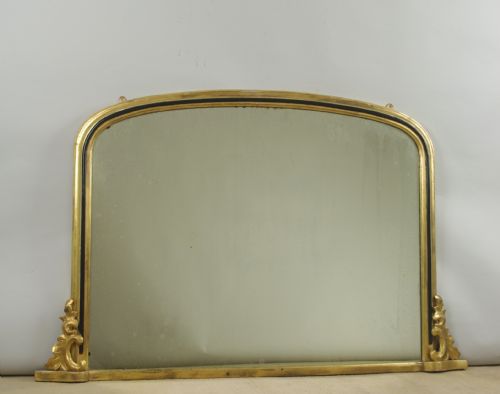
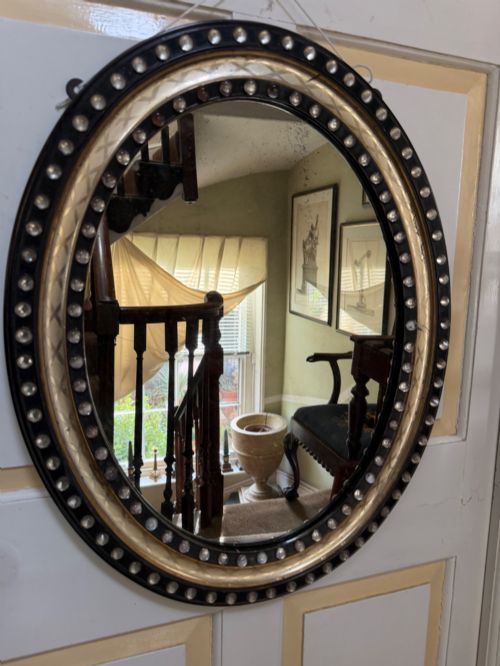
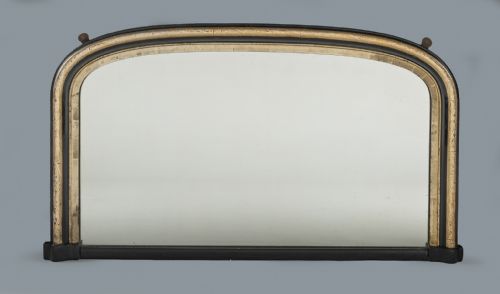
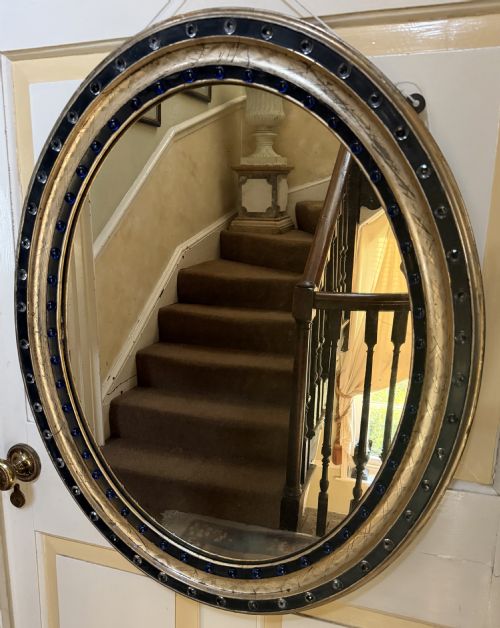
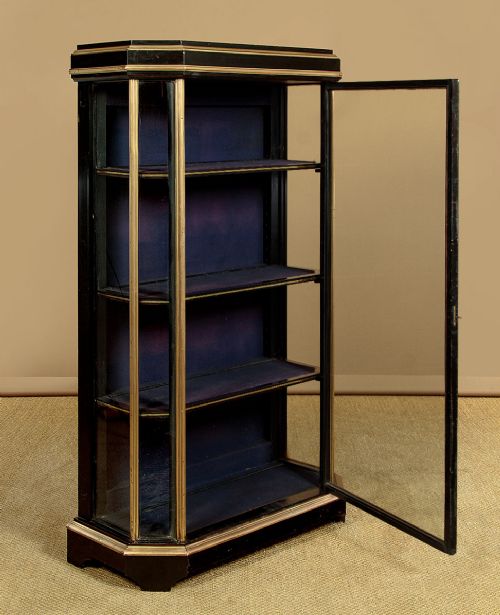
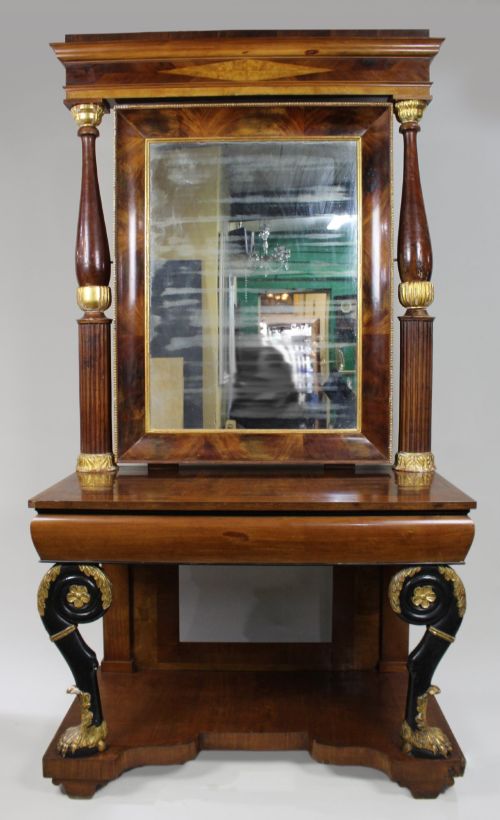
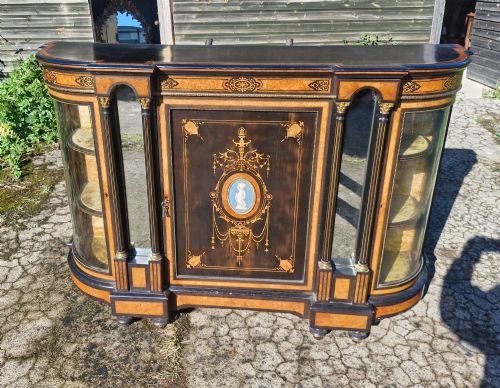
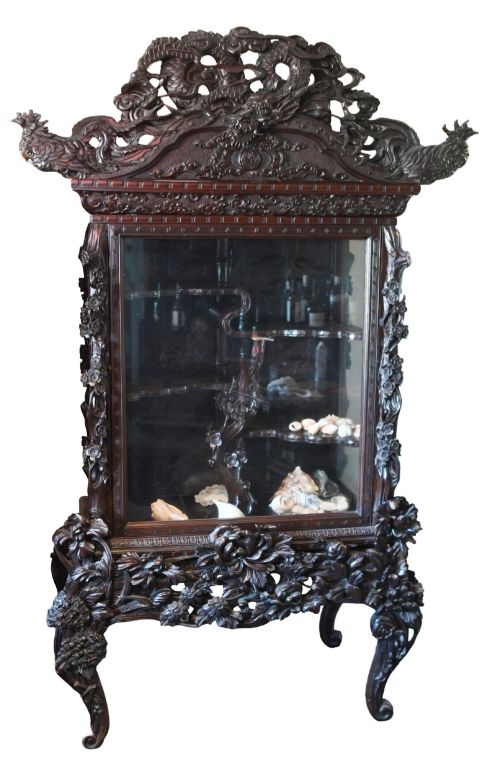
When you search for antique ebonised glass, you encounter furniture and mirrors where timber is finished to resemble ebony, framing glass elements such as mirrors, display cabinets, and reverse-painted panels. The pieces on this page span the 18th century, the Georgian era, and the Victorian period, including Napoleon III and Aesthetic Movement creations.
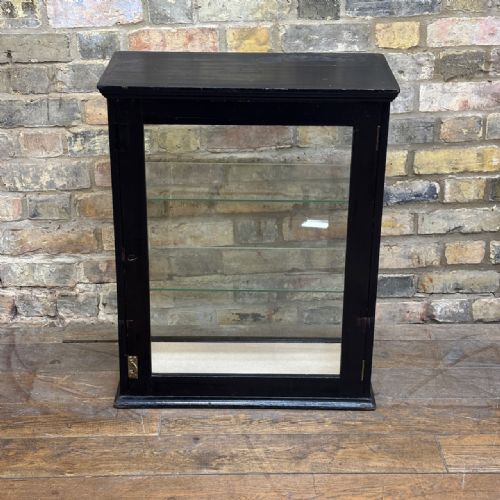
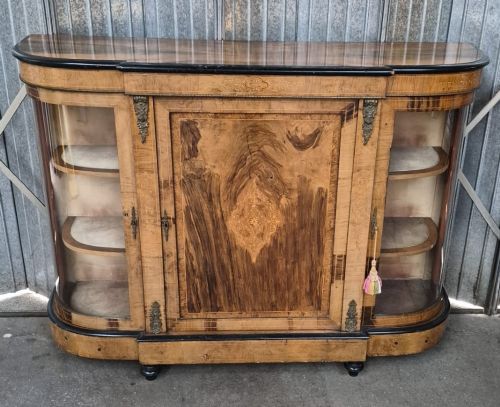
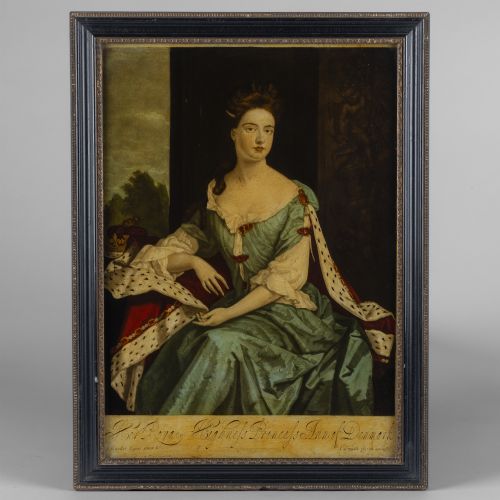
Mirrors and display cabinets dominate the selection, often incorporating ebonised wood alongside brass, ormolu, and contrasting veneers like amboyna and walnut. You will also find specialised items such as reverse glass prints and framed micromosaics, showing how makers applied the dark finish to highlight reflective and glazed surfaces.
How they were made
Makers achieved the ebonised finish by staining and polishing hardwoods to mimic the dense, black appearance of genuine ebony, frequently pairing the dark surfaces with parcel-gilt details or brass mounts. Glass components range from heavy plate mirrors and bevelled panes to delicate reverse-painted panels.
Cabinetmakers constructed carcases in woods like walnut, mahogany, or burr timbers before applying the dark ebonised treatment, often combining them with amboyna marquetry or intricate brass inlay. Display domes and cloches relied on blown glass resting on timber or velvet-lined bases.
Antique Ebonised Glass Retail Price Guide 2026
Typical asking prices for ebonised glass among the pieces listed under this phrase on Sellingantiques today, from the lower quarter to the upper quarter. They describe what is for sale here now, not the wider market.
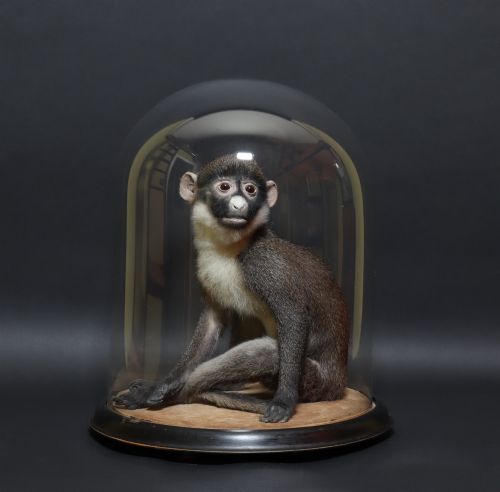
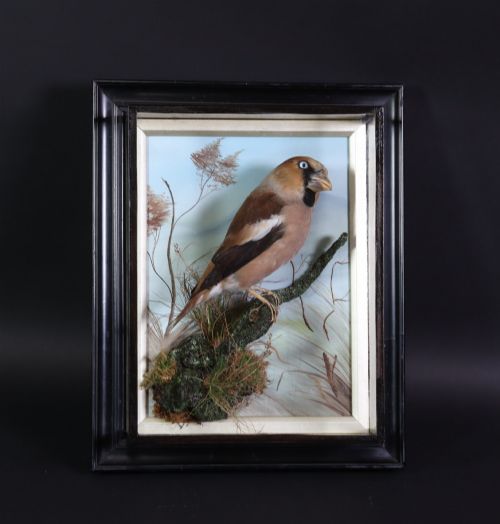
Victorian taxidermy birds sometimes peer out from beneath glass domes.
What varies in quality
The standard of an antique ebonised glass piece rests upon the depth of the timber finish and the crispness of any applied ormolu, brass, or parcel-gilt detailing. Superior examples exhibit tightly controlled ebonising that retains the grain subtly beneath a smooth, polished surface rather than a flat, opaque coat of modern paint.
Integration between the dark frame and the glass components also marks the tier of craftsmanship, particularly in complex vitrines, pier cabinets, and reverse-painted works. Well-executed pieces show precise joinery in the ebonised mouldings and intact, original mirror plates or undamaged glass panels.
The Antique Ebonised Glass Glossary
- Ebonised wood
- Timber treated with stain, dye, or polish to simulate solid ebony. This dark finish gained widespread popularity during the Victorian and Aesthetic Movement periods.
- Pier cabinet
- A tall, narrow cabinet designed to stand against the wall space between windows. These pieces often feature glass doors and ebonised frames.
- Reverse glass painting
- An artistic technique where the image is painted directly onto the reverse side of a glass pane to be viewed from the front. Georgian and Victorian makers frequently housed these works in dark frames.
- Ormolu
- Gilded bronze mounts applied to furniture and clocks. Makers used these metallic accents to contrast against dark ebonised woodwork.
Antique Ebonised Glass: Frequently Asked Questions
How do I clean ebonised furniture?
Dust the surfaces gently with a soft, dry cloth to prevent scratching the polished dark finish. Avoid chemical sprays or excessive moisture, which can damage the ebonised treatment and any underlying veneers.
For glass components, use a mild glass cleaner applied to a cloth rather than directly onto the glass. This protects adjacent ebonised wood and metal mounts from moisture damage.
What is an ebonised pier cabinet?
A pier cabinet is a narrow display piece built to fit the wall space between two windows in a Victorian drawing room. These cabinets typically incorporate glass panel doors to display ceramics and ornaments.
The ebonised finish provides a dark, dramatic contrast to the colourful objects displayed inside. Many examples include gilt highlights or contrasting wood inlays.
How do I date an ebonised mirror?
Examine the construction of the wooden frame, the backing boards, and the characteristics of the glass plate itself. Georgian and early Victorian mirrors often show hand-bevelled edges and older silvering techniques.
Styles such as the Aesthetic Movement or Napoleon III introduce specific carved motifs and gilt accents. The joinery behind the ebonised frame offers further clues to the manufacturing decade.
Where should I place a display dome?
Display domes and cloches require a stable surface away from direct sunlight and heavy foot traffic vibrations. They were traditionally used to protect delicate taxidermy, clocks, or ornaments.
Ensure the wooden or velvet base sits level to support the heavy blown glass cover safely. Placing them on a sideboard or cabinet allows natural light to highlight the objects housed inside.