





Antique Dutch Wooden Box
An antique dutch wooden box brings centuries of refined craftsmanship and practical utility straight into your home.
Antique Dutch Wooden Box
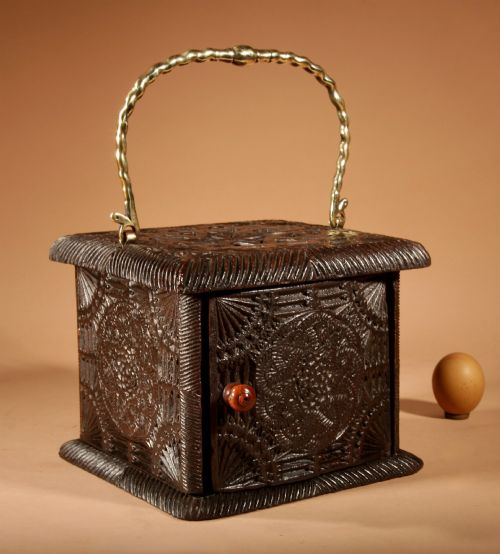
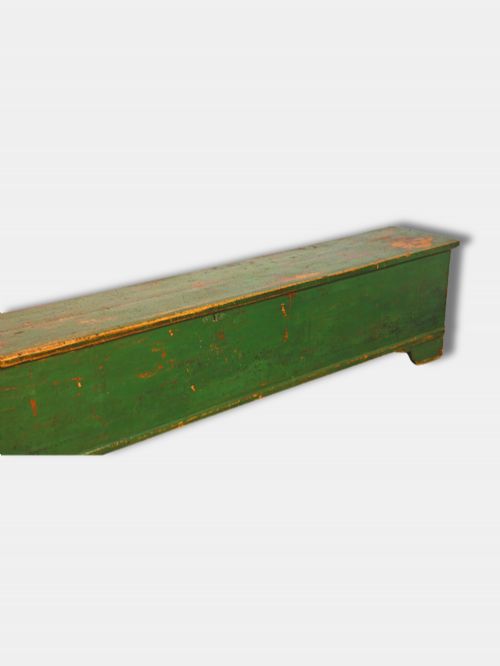
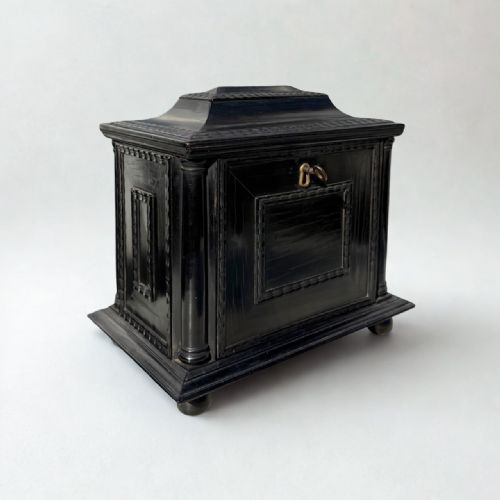
When you search for an antique dutch wooden box, you encounter a remarkable variety of historical vessels designed for both daily utility and display. The selection ranges from robust storage chests and trunks to intricate foot warmers, tabletop display cabinets, and matchbox holders.
The pieces on this page span several centuries, featuring examples from the seventeenth, eighteenth, and nineteenth centuries. You will regularly find regional styles such as Frisian folk art, Dutch colonial, and Amsterdam school designs among the current selection.
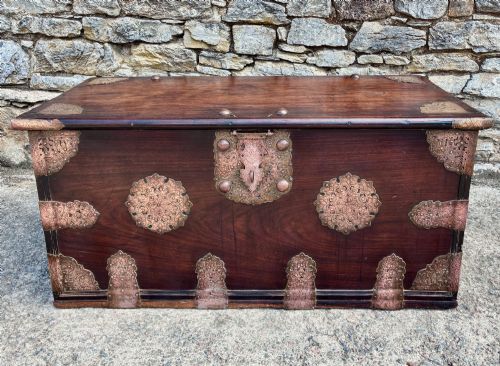
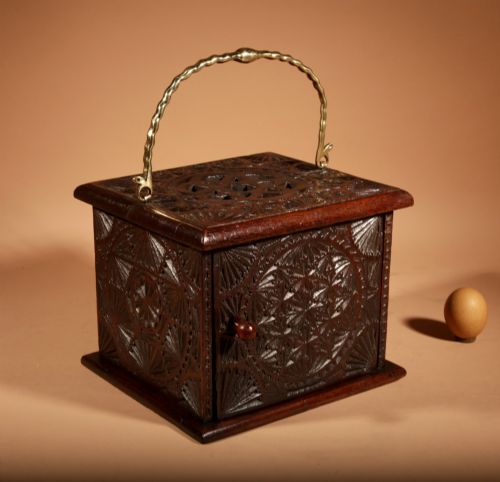
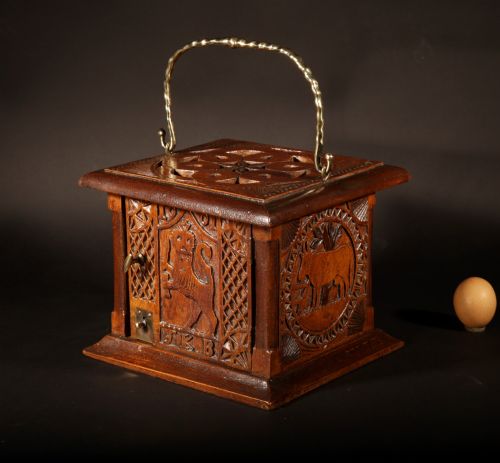
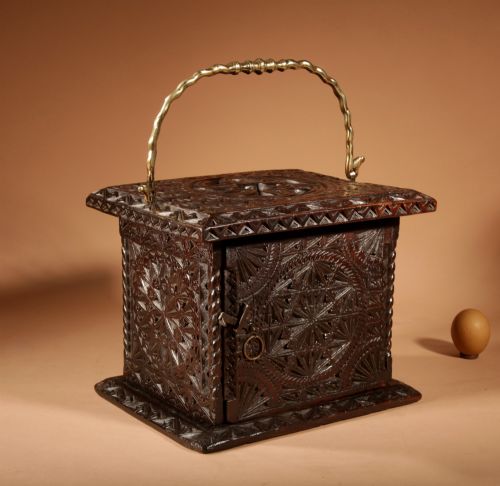
Domestic items like chip-carved foot stoves and collectors cabinets sit alongside large brass-mounted padouk and teak coffers. This mix reflects both the humble domestic traditions of the Netherlands and its global maritime connections.
Materials and construction methods
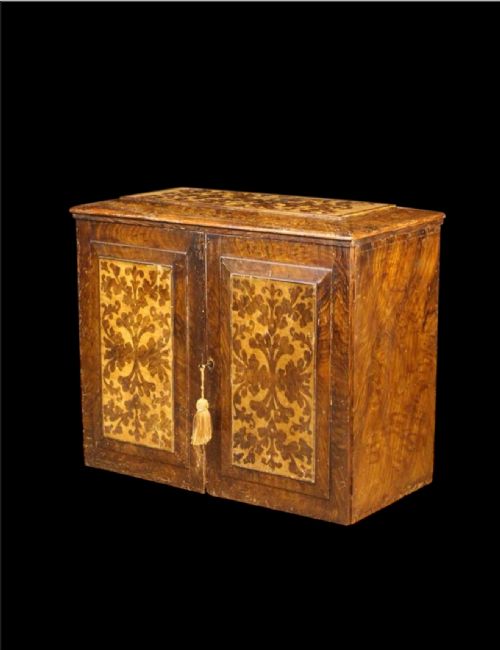
These items rely on a rich palette of timbers, combining native European hardwoods like oak and pine with exotic species imported via trade routes, including teak, padouk, ebony, and boxwood. Artisans often enhanced these surfaces with decorative techniques such as intricate chip carving, floral marquetry, parquetry, and contrasting veneers.
Metalwork plays a crucial structural and decorative role, with heavy brass mounts, binding, and hinges reinforcing strongboxes and trunks. White metal accents and partial painted finishes also appear on specific forms, adding visual contrast to the dark native and tropical woods.
Antique Dutch Wooden Box Retail Price Guide 2026
Typical asking prices for dutch wooden box among the pieces listed under this phrase on Sellingantiques today, from the lower quarter to the upper quarter. They describe what is for sale here now, not the wider market.
The selection includes multiple centuries, stretching from the seventeen hundreds through the Victorian era up to nineteen ten.
Assessing quality and execution
Quality in these items rests upon the precision of the joinery and the integrity of the surface decoration, whether that involves crisp chip carving or tightly fitted parquetry panels. Superior examples display careful selection of timber grains, particularly where exotic veneers or floral marquetry patterns create complex visual rhythm across the lid and sides.
The sophistication of the hardware and mounts distinguishes finer pieces from more utilitarian containers. Original brass hinges, corner braces, and locking mechanisms that integrate harmoniously with the wooden body indicate a higher tier of workshop production.
The Antique Dutch Wooden Box Glossary
- Chip Carving
- A method of removing small chips from a wooden surface to create geometric or floral patterns. This technique appears frequently on regional items like foot stoves.
- Marquetry
- The art of applying small pieces of veneer to a structure to form decorative patterns and pictures. Floral motifs are especially common on seventeenth-century examples.
- Parquetry
- Geometric mosaic woodwork used for repeating patterns on surfaces such as caskets and table tops. It relies on precise alignment of contrasting wood types.
- Coffer
- A large, strong box used historically for storing valuable items and documents. They often feature robust brass mounts and carrying handles.
Antique Dutch Wooden Box: Frequently Asked Questions
What is a foot stove?
A foot stove is a traditional wooden box featuring pierced holes and an internal container for hot coals. People used them during cold months to warm their feet while sitting.
These domestic items often showcase detailed chip carving and folk art patterns, reflecting their role in everyday household life.
How do I date an old wooden box?
Dating relies on examining the construction methods, timber types, and decorative styles present in the piece. Eighteenth-century examples often feature hand-cut joinery and traditional floral marquetry.
Later nineteenth-century pieces may incorporate exotic colonial hardwoods like teak and padouk alongside heavier brass mounting hardware.
Where were colonial chests made?
Colonial chests and strongboxes were produced in territories connected to Dutch trade networks, such as the Dutch East Indies. They utilised local tropical hardwoods designed to withstand humid climates.
Dutch craftsmen combined these durable foreign timbers with traditional European brass hardware and robust locking mechanisms.
How should I clean a wooden box?
Maintenance requires gentle dusting with a soft, dry cloth to protect the historic surface and patina. Avoid using modern chemical polishes or water on antique timber.
Applying a traditional beeswax periodically helps nourish the wood and preserves the finish of marquetry and carved details.