


Antique Dutch Style Canvas
Antique dutch style canvas works capture the rich atmosphere of historic northern European painting traditions.
Antique Dutch Style Canvas
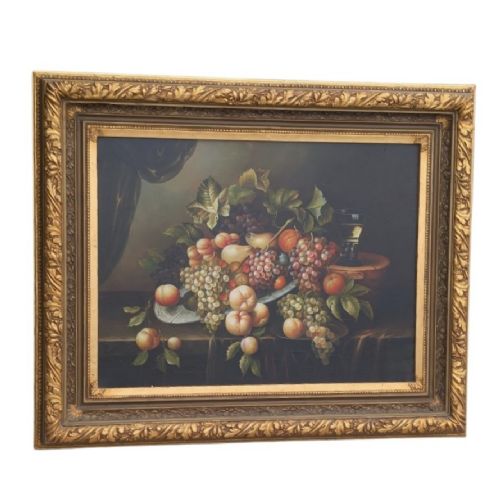
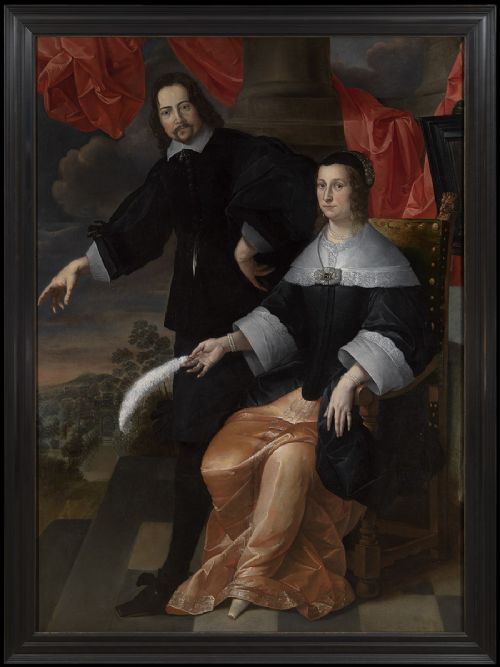
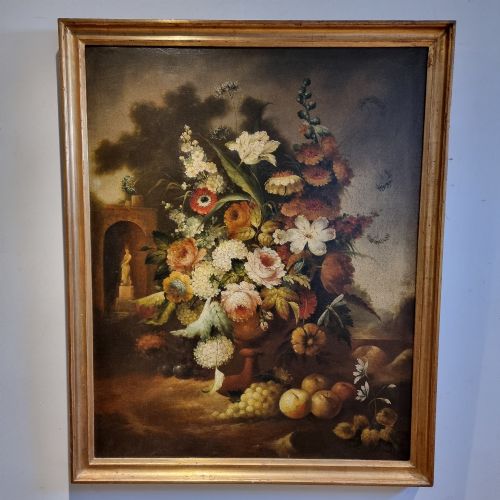
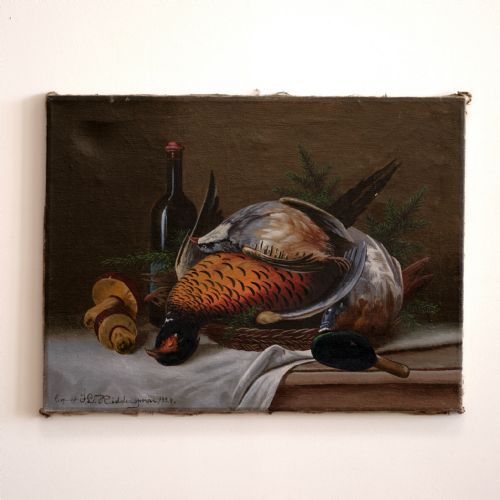
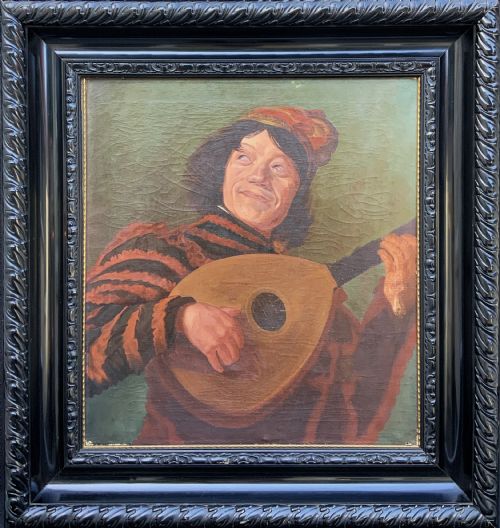
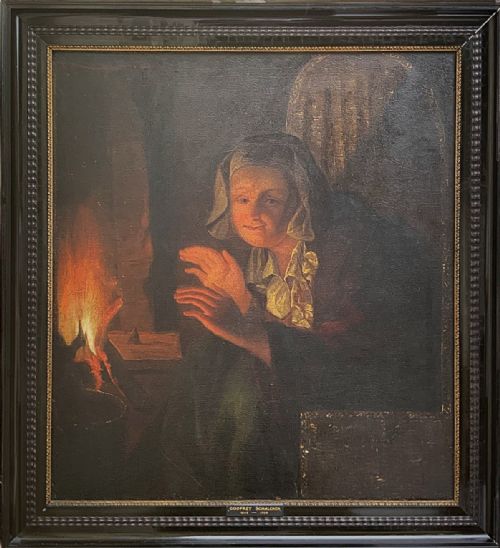
You are most likely to meet nineteenth-century and early twentieth-century interpretations alongside actual seventeenth-century pieces on this page. These works frequently channel the aesthetic of the Dutch Golden Age, incorporating dramatic lighting, dark backgrounds, and meticulous rendering of textiles and textures.
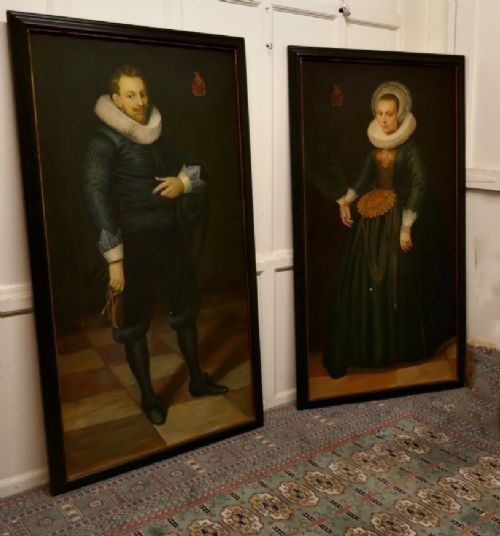
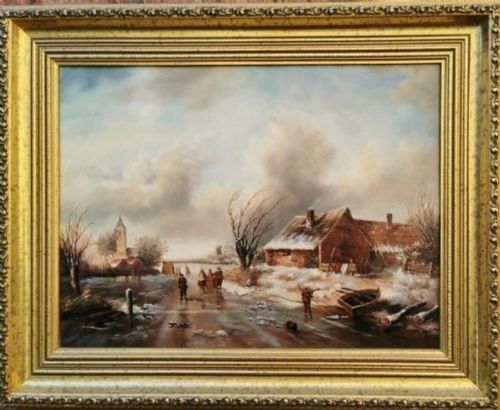
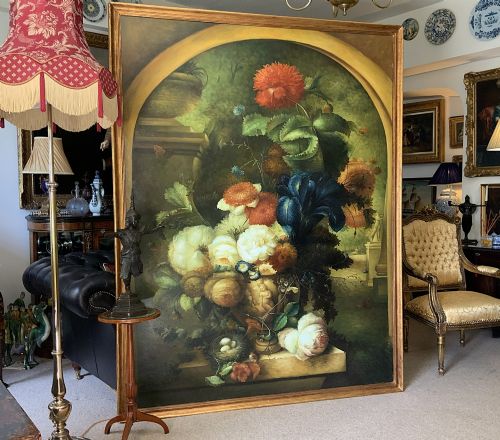
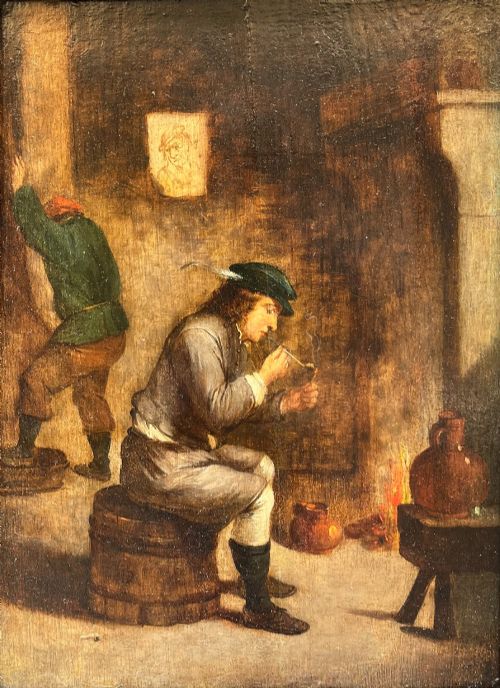
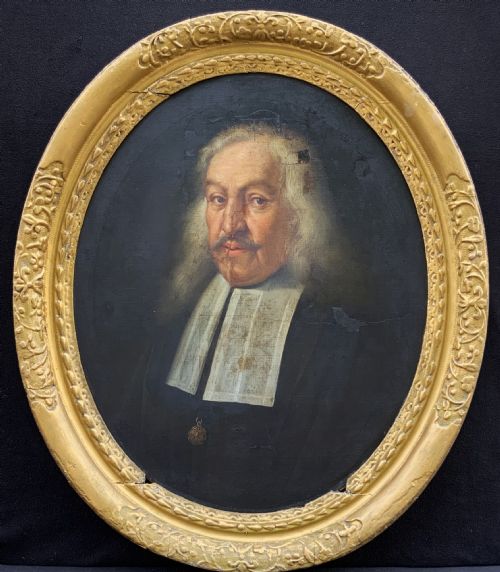
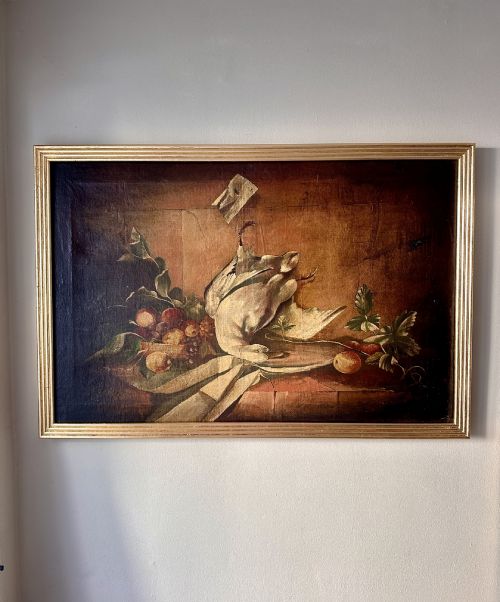
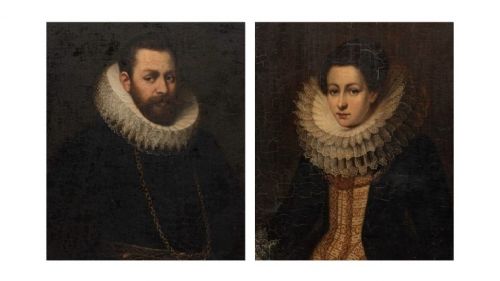
The format ranges from monumental floral still lifes to intimate genre scenes and portraits of noblemen and ladies wearing intricate ruff collars. Surviving examples demonstrate how later artists continually returned to the techniques and compositions established by seventeenth-century masters.
Materials and construction methods
These works are executed primarily using oil paint applied to woven canvas supports, often stretched over traditional wooden frames. The physical structure relies on the combination of oil medium and pigment, which allowed artists to build rich layers of colour and shadow.
Secondary elements include heavy wooden frames, sometimes enhanced with giltwood or gold leaf ornamentation to complement the dark, atmospheric tones of the paintings. The application of oil paint enabled the characteristic blending and luminous glazing seen across the portraits and still lifes.
The listings span multiple centuries, incorporating seventeenth-century originals alongside eighteenth-century, nineteenth-century, and twentieth-century interpretations.
Factors that distinguish the work
The skill of the brushwork and the depth of the tonal modelling dictate the visual success of the piece. Superior examples display confident handling of light and shadow, particularly in the depiction of fabrics, skin tones, and reflective surfaces on metal or glass.
Compositional balance and the fidelity of the perspective or anatomical drawing also separate routine decorative copies from more accomplished artistic expressions. The subtlety of the glaze and the preservation of the paint surface contribute significantly to the overall impact of the canvas.
Bartholomeus van der Helst·Pieter Borseler·David Teniers The Younger·Frans Hals·Godfried Schalcken·Nicolaes Maes·Simon Pietersz Verelst·Cornelis Van Der Voort·James de Rijk·Jozef Israëls
The Antique Dutch Style Canvas Glossary
- Oil on Canvas
- A painting medium where pigments are bound with drying oils and applied to a woven fabric support. This combination permits slow drying times and extensive blending.
- Giltwood
- Wood that has been treated with a thin layer of gold leaf or gilt powder for decorative effect. It frequently frames historic oil paintings to enhance their visual presence.
- Still Life
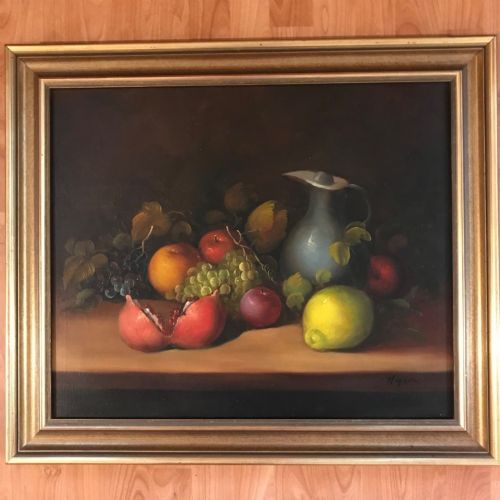
- An artwork depicting inanimate subject matter, typically commonplace objects such as flowers, fruit, or game. These arrangements often symbolise themes of transience.
- Baroque
- An artistic style originating around the seventeenth century characterised by dramatic use of light, intense emotions, and elaborate ornamentation. It forms the foundation for many classical European compositions.
Antique Dutch Style Canvas: Frequently Asked Questions
What is a dutch style canvas?
A dutch style canvas is an oil painting created in the manner of seventeenth-century northern European masters. These works often replicate the mood, lighting, and subjects of the Dutch Golden Age.
They encompass both authentic period pieces and later revival works produced by artists inspired by historic techniques.
How do I identify a seventeenth century piece?
Identifying a seventeenth-century piece involves examining the ageing of the canvas, the craquelure in the oil paint, and the construction of the wooden stretcher frame. Historical attribution often relies on stylistic comparisons with known masters.
Documentation, signatures, or historical records associated with the work also provide valuable clues regarding its true age.
Where were these paintings displayed?
Historically, these oil paintings hung in the grand reception rooms, merchant houses, and domestic interiors of Europe. They served to display the wealth, taste, and social status of the owner.
Today, they function as focal points in traditional or eclectic residential interiors, bringing historic character to modern spaces.
How should I care for an oil painting?
Caring for an oil painting on canvas requires maintaining stable room temperatures and avoiding direct sunlight to prevent fading and cracking. Dusting should be done gently with a soft, dry brush without applying pressure.
Professional conservation should be sought for any cleaning or repair to protect the fragile paint layers and historic canvas.