


Antique Dutch Folk Art
Antique Dutch folk art brings domestic utility and rural character into view through carved oak, painted wood, and glazed earthenware.
Antique Dutch Folk Art
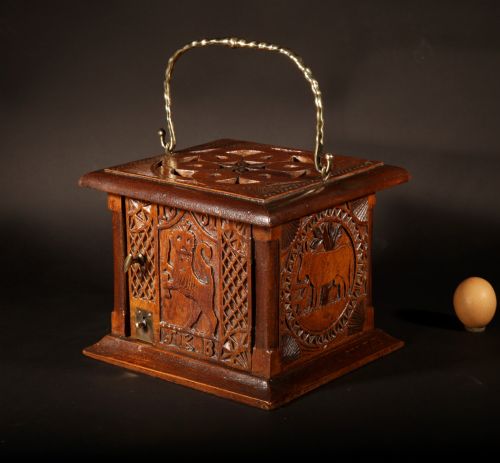
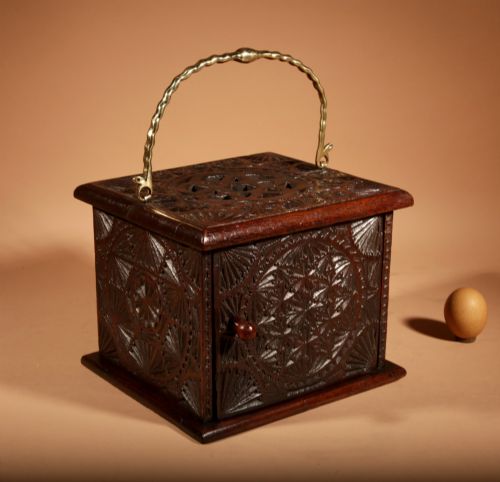
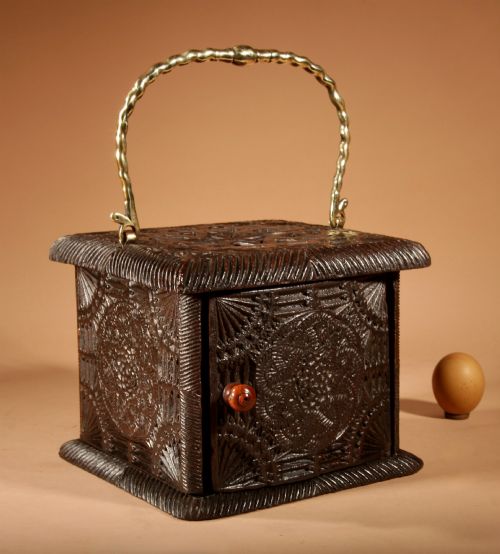
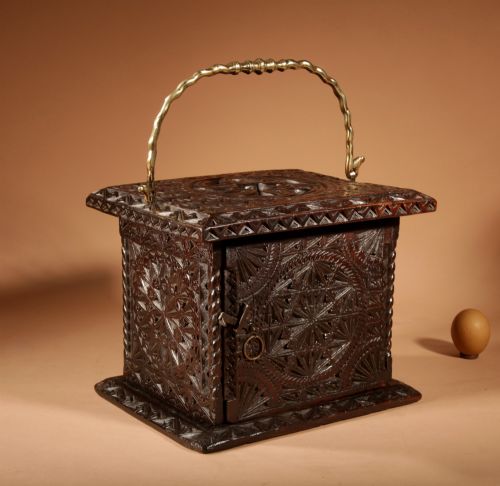
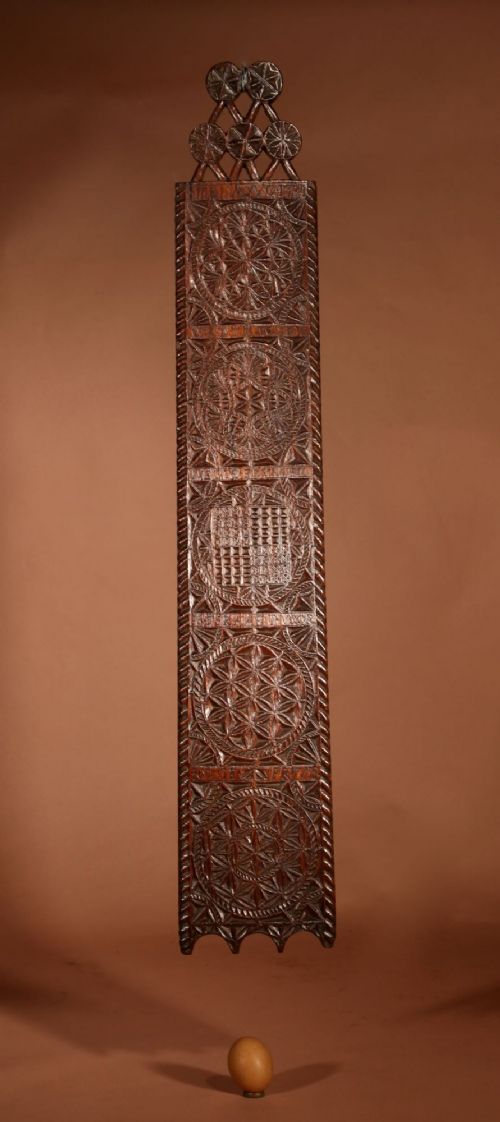
When you search for antique dutch folk art, you encounter a diverse range of vernacular objects produced for everyday household use and regional display. The selection spans domestic items like carved foot warmers, slipware jugs, and chip-carved mangle boards originating across the Netherlands.
Wooden utility pieces dominate the selection, frequently bearing dates, initials, or intricate surface decoration from the seventeenth century onward. Alongside these carved domestic items appear painted pine cupboards, ceramic chargers, and figurative children's chairs.
Factors of quality and execution
The distinction between ordinary and superior pieces rests upon the crispness of the hand-carved relief work and the preservation of original painted surfaces. Chip-carving executed with deep, confident cuts and precise symmetry elevates domestic timber objects beyond standard utilityware.
Originality of finish remains paramount, with untouched patination and authentic early polychrome pigments commanding greater interest than later restorations. Dated and initialised examples demonstrating clear provenance also distinguish finer items within the field.
Common functional forms on this page include foot warmers, mangle boards, ceramic chargers, children's high chairs, and milk churns.
Rozenburg·Roosje Hindeloopen
The Antique Dutch Folk Art Glossary
- Mangle board
- A flat wooden board with a handle, used historically in the Netherlands with a roller to smooth linen. They are frequently richly carved with dates and initials.
- Chip-carving
- A style of relief carving where small triangles or chips of wood are removed from a single surface with a knife or chisel to form geometric motifs.
- Slipware
- Earthenware pottery decorated with a liquid clay mixture applied before firing, creating smooth patterns against a contrasting body colour.
- Polychrome
- Decorated in multiple colours, frequently seen on tin-glazed earthenware plates and painted wooden furnishings from the period.
- Foot stove
- A small wooden box containing a hot ember container, pierced with holes to warm the feet during cold weather.
Antique Dutch Folk Art: Frequently Asked Questions
What is a mangle board used for?
Historically, a mangle board functioned as a domestic laundry tool rolled across fabric wound around a cylinder to press linen smooth. These boards served as courtship gifts or household adornments, richly carved with dates and initials before being hung on display.
Today, they survive primarily as decorative wall art rather than functional laundry equipment, valued for their folk carvings and regional inscriptions.
How do I identify Frisian folk art?
Frisian pieces are typically characterised by dense, intricate chip-carving executed in solid oak, often featuring geometric layouts, initials, and specific production dates. This northern Dutch style distinguishes itself through rigorous surface ornamentation on utilitarian objects.
Items from this region frequently include foot stoves and mangle boards that exhibit a distinct, highly disciplined approach to wood decoration compared to smoother southern furniture.
What are slipware jugs?
Slipware jugs are utilitarian earthenware vessels coated in liquid clay before firing, producing glossy, fluid surface patterns. These ceramic containers served practical storage and pouring functions in historical kitchens.
Surviving examples from the seventeenth and eighteenth centuries showcase early glazing techniques and earthy tones that highlight their handmade origins.
How should I care for painted folk wood?
Painted wooden items require stable indoor humidity away from direct sunlight to prevent pigment fading and timber splitting. Dusting gently with a dry, soft cloth preserves the original surface patination without stripping delicate historical finishes.
Avoid liquid cleaners or abrasive agents entirely, as these can permanently damage early painted layers and exposed grain.