

Antique Drop Fixture
These antique drop fixture options bring focused illumination and historical character to a room through suspended glass and metal designs.
Antique Drop Fixture
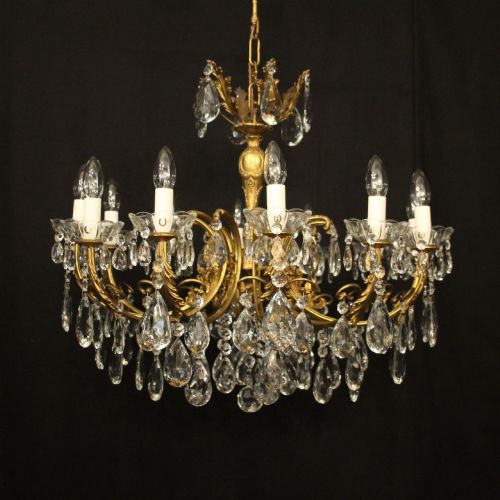
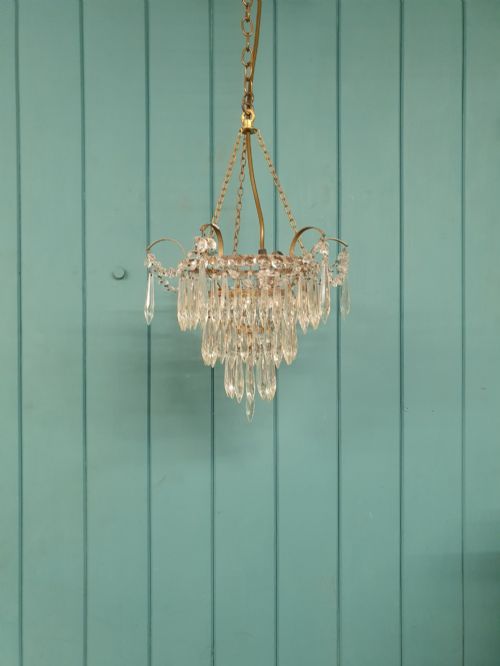
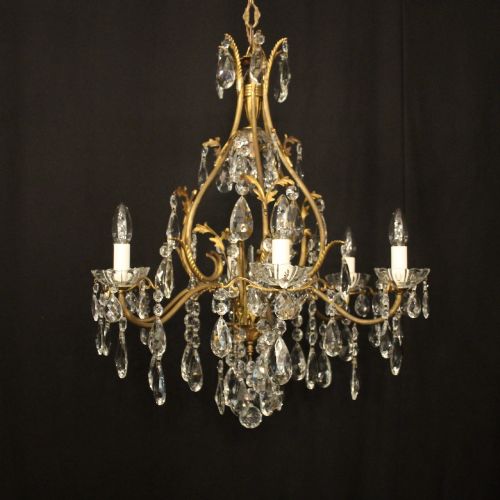
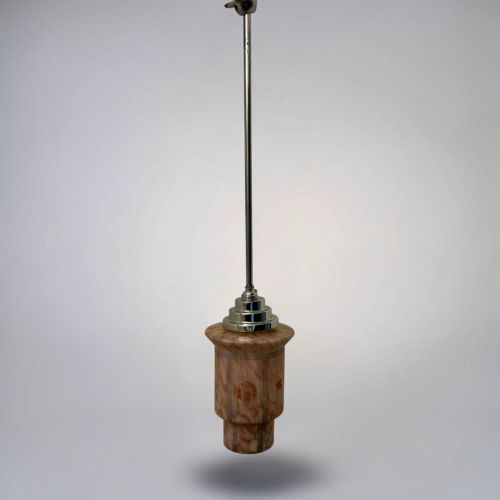
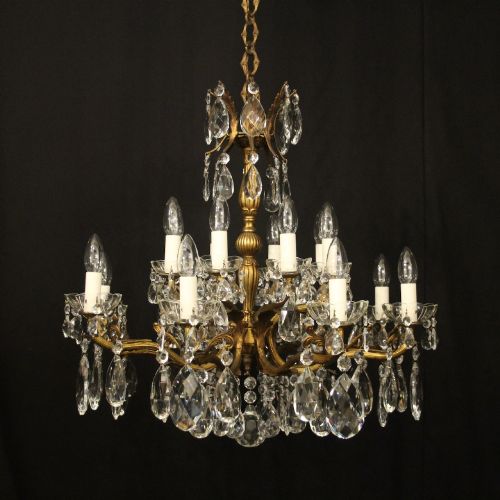
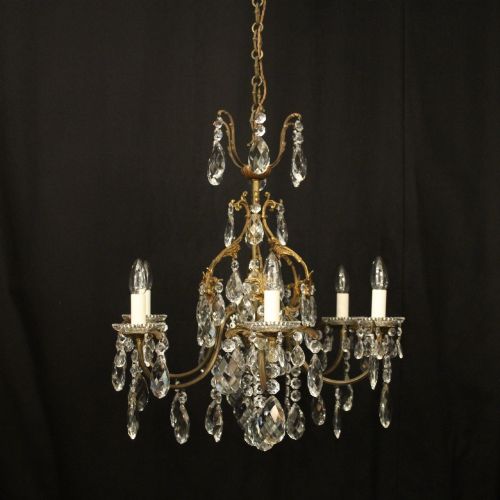
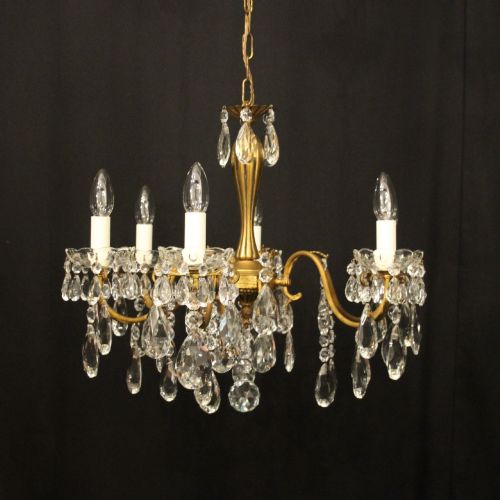
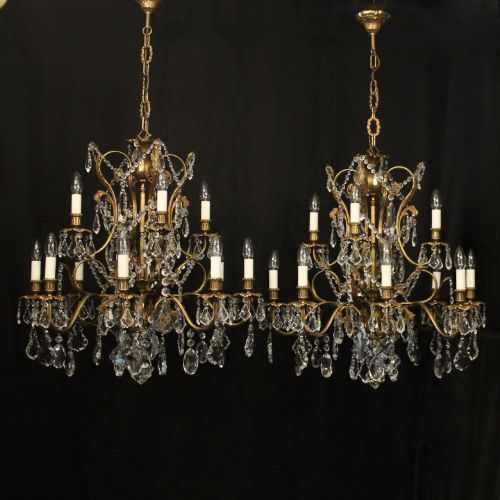
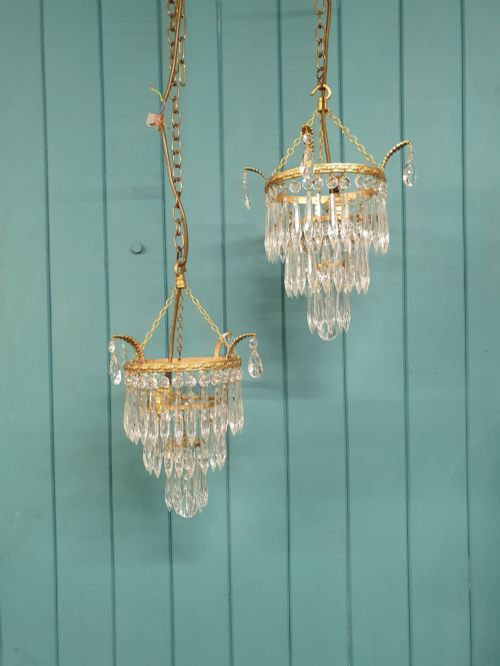
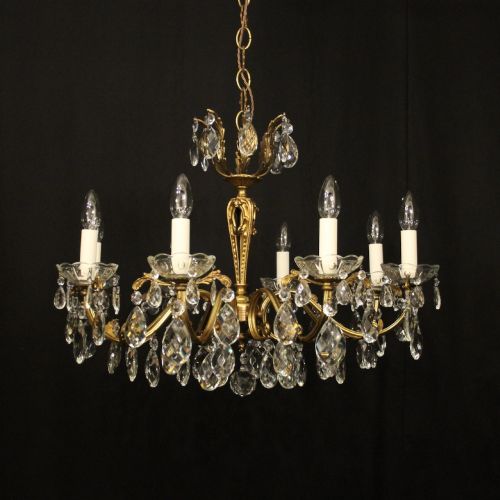
An antique drop fixture generally takes the form of a suspended light source, most commonly seen here as a chandelier or pendant light. The selection relies heavily on early twentieth century and nineteenth century pieces, drawing from Edwardian, Art Deco, and various classical continental styles.
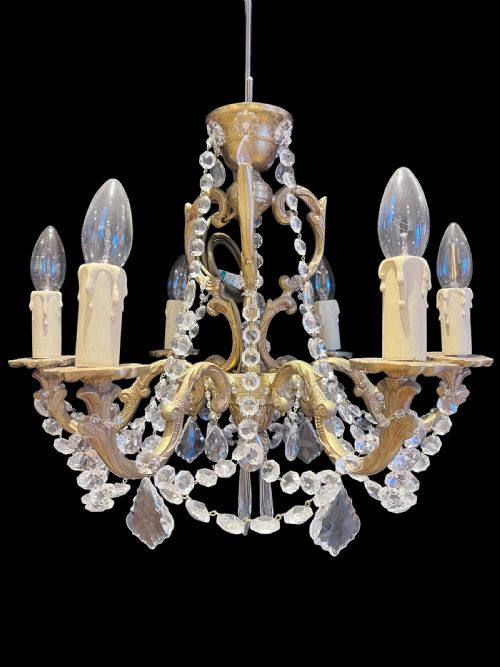
Most examples originate from French workshops or Italian centres, employing brass, gilt bronze, and cut glass components. These fixtures hang from ceilings to provide illumination via multiple arms or central drop formations.
How they were made
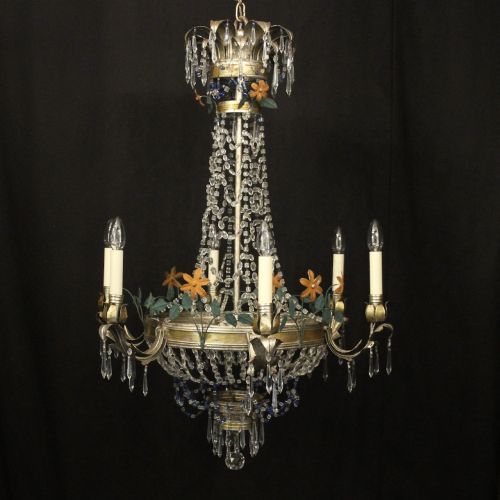
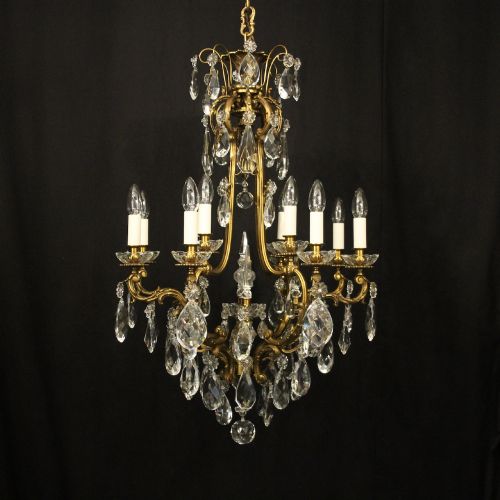
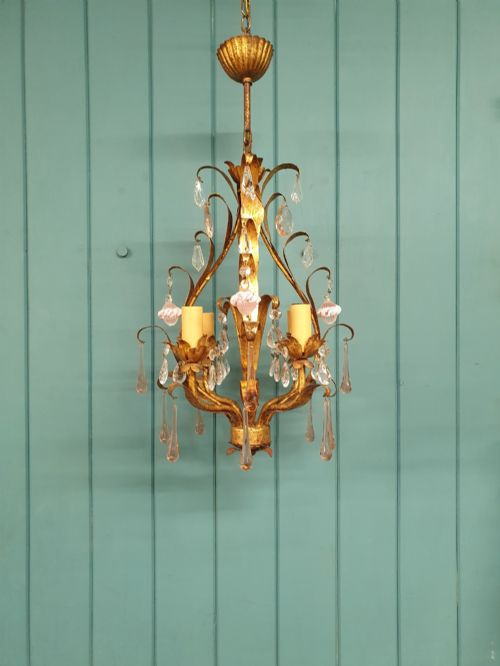
Makers constructed the primary framework using cast brass, ormolu, gilt bronze, and occasionally gilt spelter or tolewear. Frames were cast or forged into arms and ceiling bands designed to support suspended glass elements.
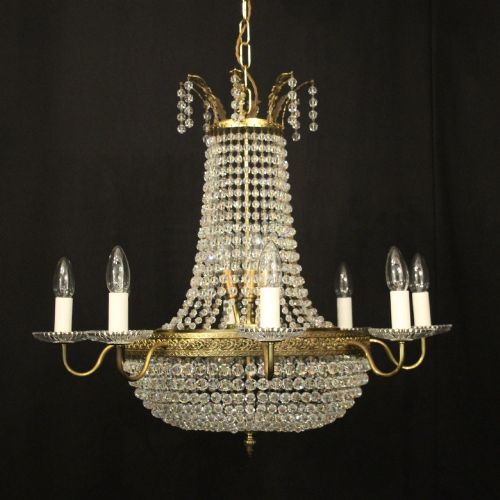
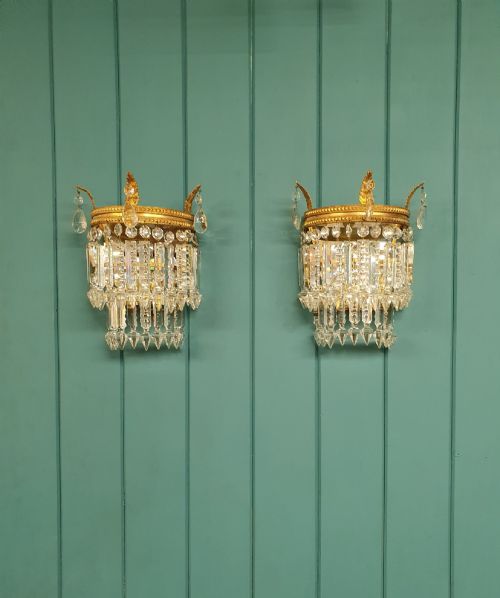
Glass components include hand-cut crystal prisms, drops, and spikes wired together by hand to form tent and waterfall configurations. Metalwork often received a gilded or silvered finish to reflect the light emitted by the bulbs or candles.
Antique Drop Fixture Retail Price Guide 2026
Typical asking prices for drop fixture among the pieces listed under this phrase on Sellingantiques today, from the lower quarter to the upper quarter. They describe what is for sale here now, not the wider market.
Some fixtures feature flying cherubs holding crystal spikes.
What varies in quality
The refinement of the cast metalwork and the precision of the crystal cutting determine the standard of an antique drop fixture. Finer pieces display crisp ornamentation on the bronze or brass framework, such as detailed leaf decoration or chased motifs.
The complexity of the glass arrangement also dictates quality, with multi-tiered tent and waterfall designs requiring greater skill to assemble than simpler single-tier pendants. The clarity of the cut glass and the integration of coloured crystals further separate standard examples from finer works.
The Antique Drop Fixture Glossary
- Tent and waterfall
- A lighting configuration where strings of glass crystals form a conical tent shape at the top, flowing down into a cascade of drops over the lower arms.
- Ormolu
- A metallic technique involving the application of finely ground high-carat gold to a bronze object.
- Spike chandelier
- A compact hanging fixture featuring sharp, upward-pointing crystal spikes arranged around a central body.
- Coffin prisms
- Flat, wedge-shaped glass drops with bevelled edges used to refract light.
- Tolewear
- Painted or lacquered metal items often utilised for decorative elements on light fixtures.
Antique Drop Fixture: Frequently Asked Questions
How do I hang a heavy antique drop fixture?
Suspension requires fixing the main weight directly into ceiling joists using a rated hook and appropriate fixings rather than relying on plaster alone.
Electrical wiring must be routed through the ceiling rose and connected to the internal supply by a qualified person.
What rooms suit an antique drop fixture?
These fixtures work well in dining rooms, entrance halls, or living spaces with adequate ceiling height to accommodate the hanging drop design.
Smaller spike versions or single pendants can also be positioned in bedrooms or smaller corridors.
How do I clean an antique drop fixture?
Dust the metal framework and glass elements regularly with a dry, soft cloth to prevent grime buildup.
Individual crystal drops can be wiped gently with a mild glass cleaner applied to a cloth rather than sprayed directly onto the metal.
Can I replace missing crystal drops?
Replacement crystals can be sourced to match the style, cut, and period of the original elements on the fixture.
Matching the correct size and attachment method ensures the restored section blends with the existing glass.