
Antique Drop Chandelier
An antique drop chandelier brings light and movement into a room through suspended glass prisms and lustres that catch the eye from every angle.
Antique Drop Chandelier
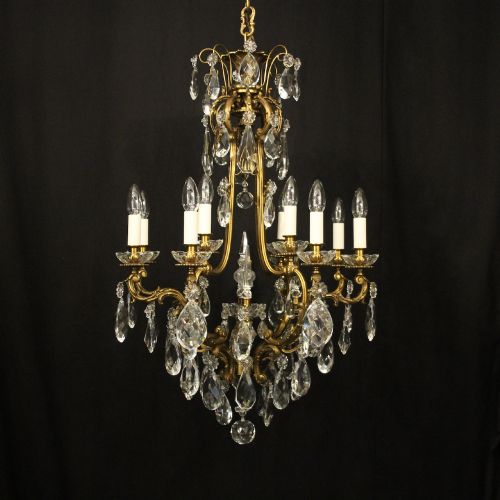
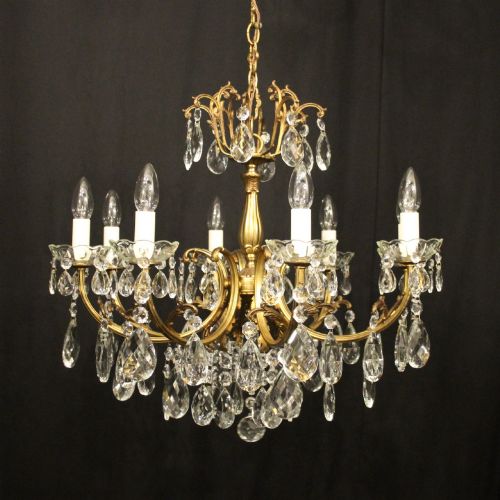
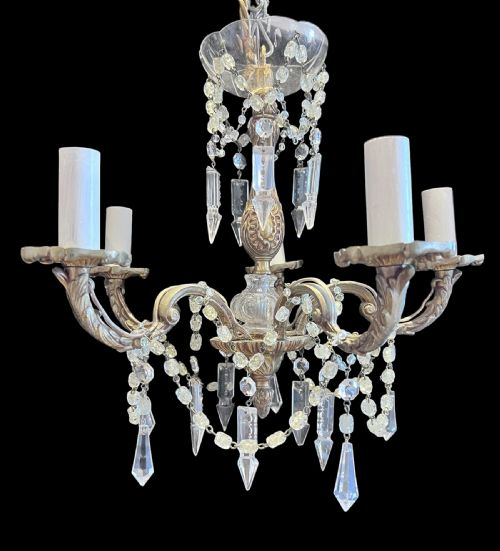
An antique drop chandelier is a ceiling light defined by hanging glass or crystal elements that refract illumination across a space. These fixtures originate from periods spanning the Georgian era, the nineteenth century, Edwardian times, and the early twentieth century.
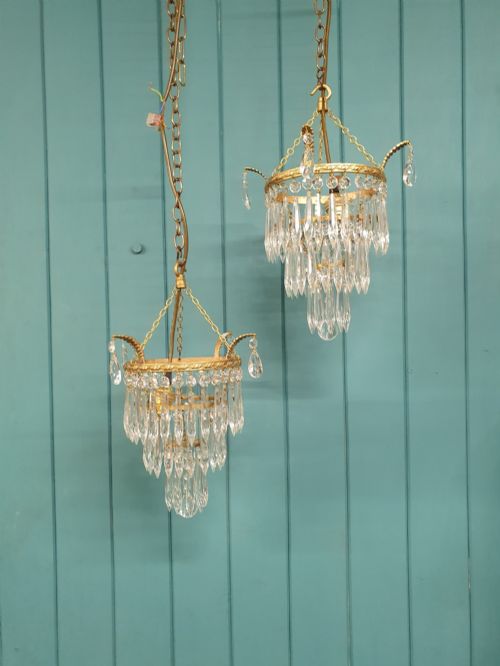
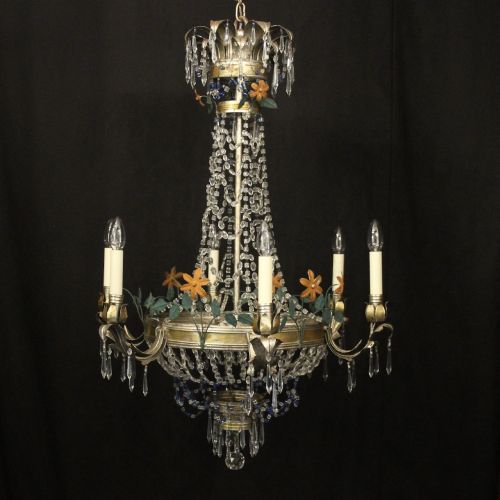
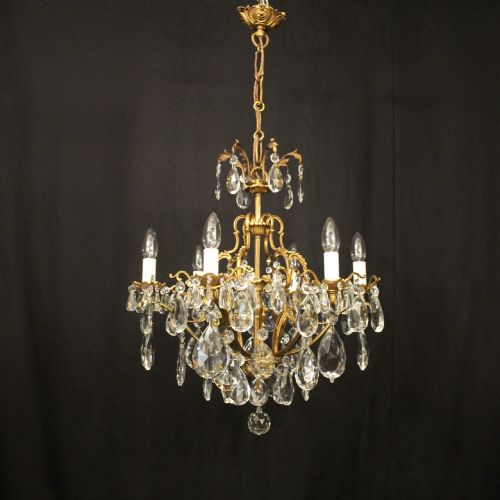
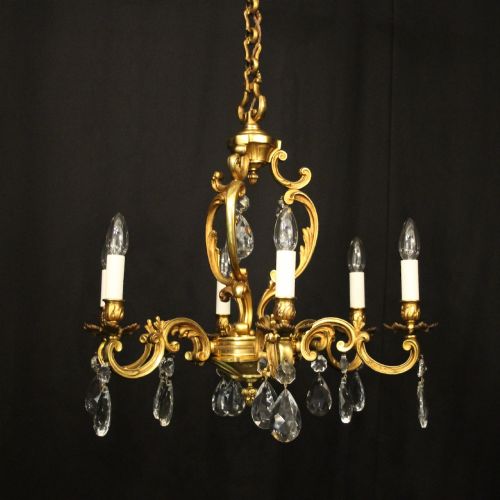
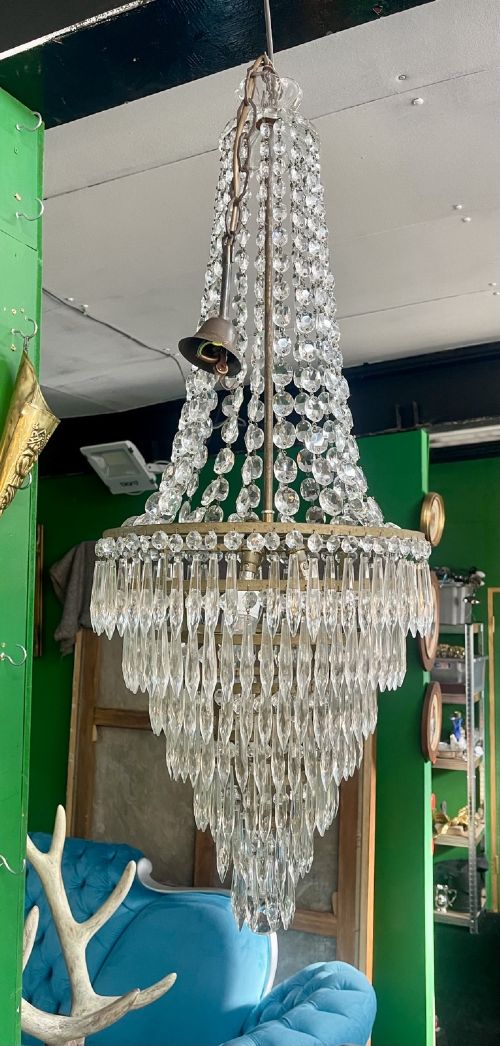
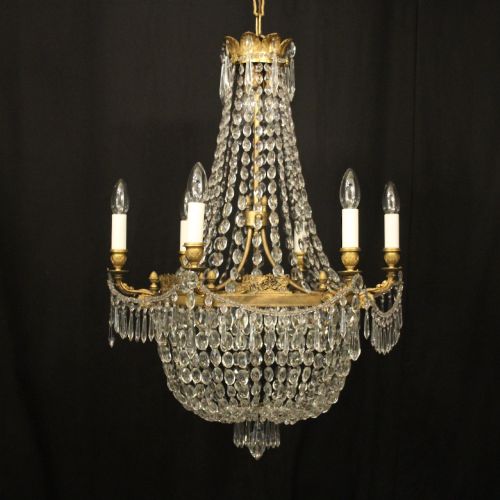
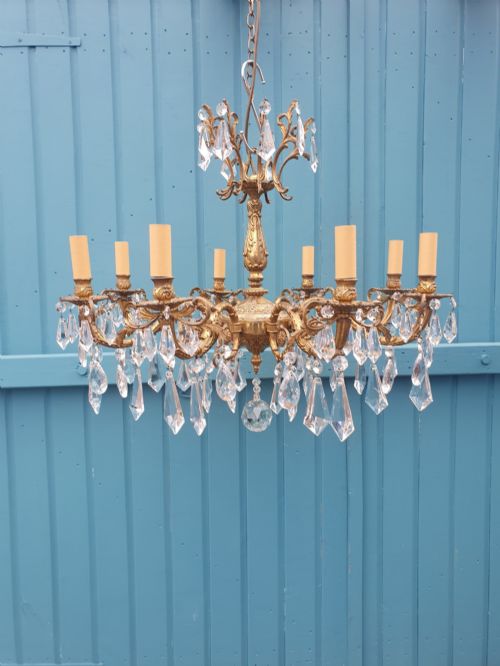
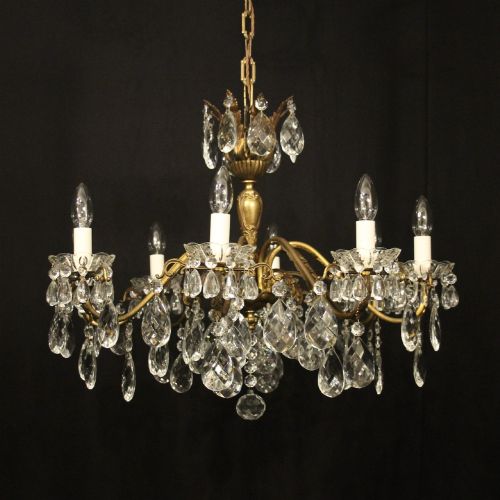
French designs dominate the selection, often taking the form of tent and waterfall configurations, basket frames, or multi-light structures cast in bronze and brass. Italian and Venetian examples also appear, offering variations in colour and form such as pink glass or Florentine metalwork.
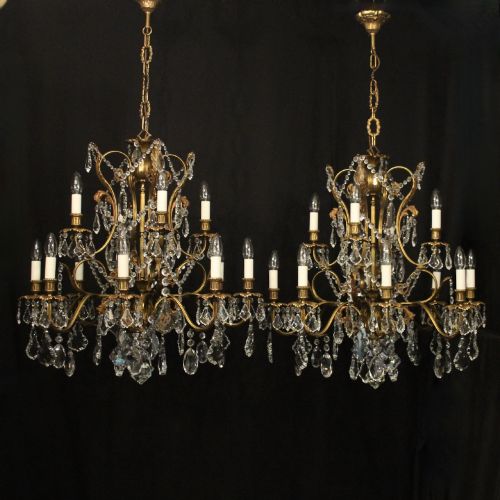
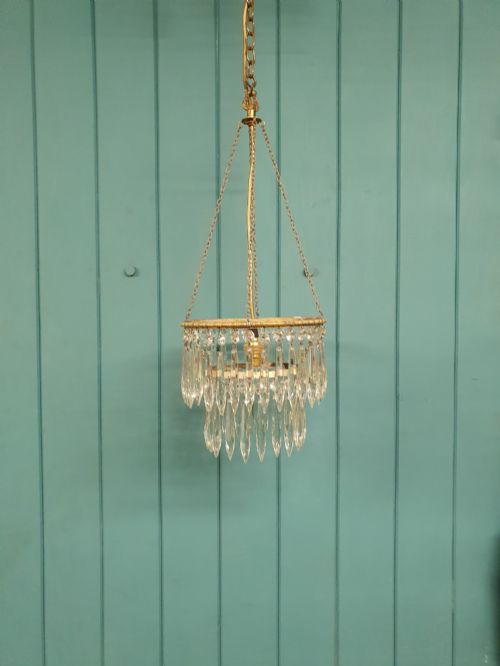
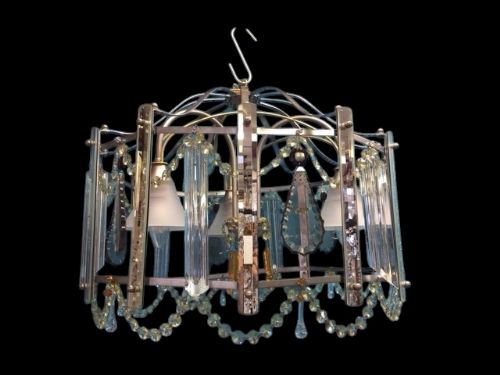
Buyers will encounter multiple styles on this page, including French Empire, French Rococo, and Art Deco variants. Many of these pieces hold numerous lights, ranging from small single-tier formats to large multi-arm creations hung with lustres and spikes.
Materials and Construction Techniques
The framework of these chandeliers relies on cast metals such as brass, gilt bronze, ormolu, and gilt spelter, which form the structural skeleton for the arms and coronas. Artisans mounted these metal bases with glass components, securing each pendant via wire or pins.
Cut glass and crystal provide the reflective surfaces, shaped into drops, spikes, coffin prisms, and lustres. Gilding in gold or silver finishes applied to the metal elements adds depth and catches the ambient light of the room.
Listings feature items from the Georgian period, the nineteenth century, Edwardian times, and the 1920s and 1930s.
Judging the Quality of Fixtures
Quality rests in the precision of the metal casting and the clarity of the glass elements. Finely chiselled bronze or ormolu mounts with crisp detail separate superior frames from simpler cast brass structures.
The depth of hand-cutting on the crystal drops and the consistency of the glass influence how light refracts through the room. Complete sets of matching lustres and prisms indicate a well-preserved original composition.
The Antique Drop Chandelier Glossary
- Tent and waterfall
- A mounting style where strings of glass beads form a tent shape at the top, cascading down into a wider waterfall arrangement over the arms.
- Ormolu
- A technique of applying finely ground high-carat gold to a bronze base, giving a rich metallic lustre.
- Cut glass
- Glass that has been faceted on a wheel to create sharp edges that maximise light refraction.
- Lustre
- A pendant drop of cut glass or crystal suspended from the chandelier frame to catch and reflect illumination.
- Coffin prism
- A flat, elongated pendant glass drop with bevelled edges, shaped like a coffin, commonly found on early twentieth-century fixtures.
Antique Drop Chandelier: Frequently Asked Questions
How do I clean an antique drop chandelier?
Cleaning requires a gentle hand, using a mild solution of warm water and dish soap applied with a soft cloth directly to each glass prism while it remains on the frame. Professional glass cleaner sprayed onto a cloth prevents moisture from damaging the aged metalwork.
Avoid submerging metal components or using harsh chemical agents that can strip the original gilding or patina from the brass and bronze surfaces.
Can these chandeliers be rewired for modern homes?
Most antique fixtures require modern electrical wiring to meet safety standards and fit contemporary ceiling boxes. Qualified electricians can easily replace old internal wiring while preserving the external metal and glass components.
Retaining the original sockets or incorporating appropriate candle tubes helps maintain the visual integrity of the period piece during the conversion process.
How do I determine the right size chandelier?
Selecting the correct scale involves measuring the room's dimensions and calculating a diameter that matches the floor space without overwhelming the ceiling height. Larger rooms accommodate multi-tier fixtures with twelve or more lights, whereas smaller spaces suit compact single-tier versions.
Suspension height is equally crucial, ensuring adequate clearance beneath the lowest glass drops for foot traffic or furniture placement.
What is the difference between Empire and Art Deco styles?
Empire style chandeliers draw on classical motifs with symmetrical tent and waterfall glass arrangements supported by gilt bronze mounts. These pieces emphasise ornate detail and traditional neoclassical proportions.
Art Deco fixtures lean towards geometric lines, sleek metalwork, and sometimes coloured glass elements such as pink Venetian bowls or streamlined pendants reflecting twentieth-century modernity.