

Antique Dressing Unit
An antique dressing unit brings daily utility and period craftsmanship to the bedroom, spanning mirrors, washstands, and fitted chests.
Antique Dressing Unit
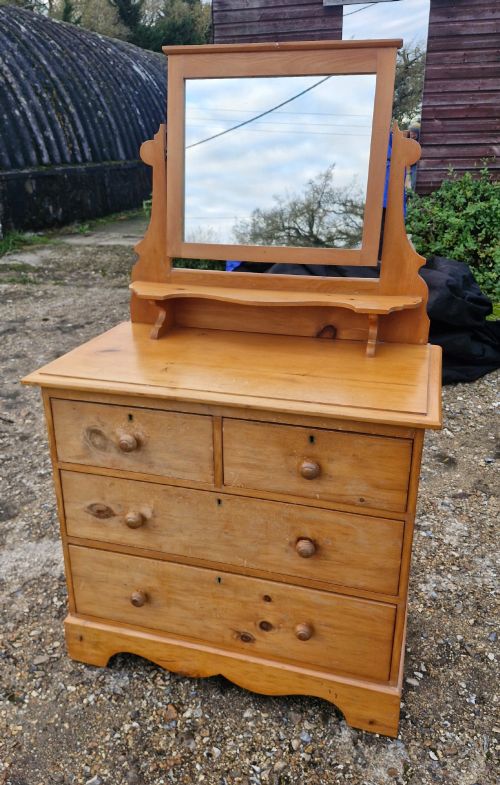
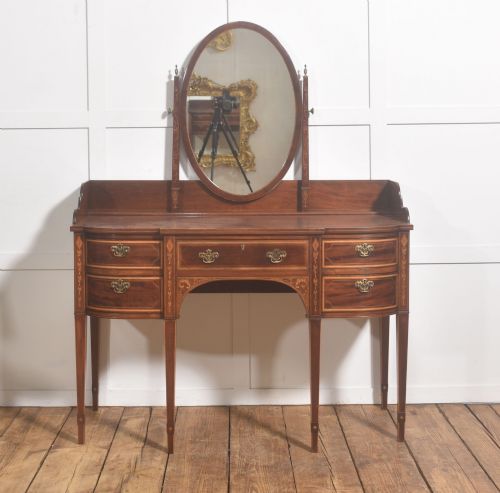
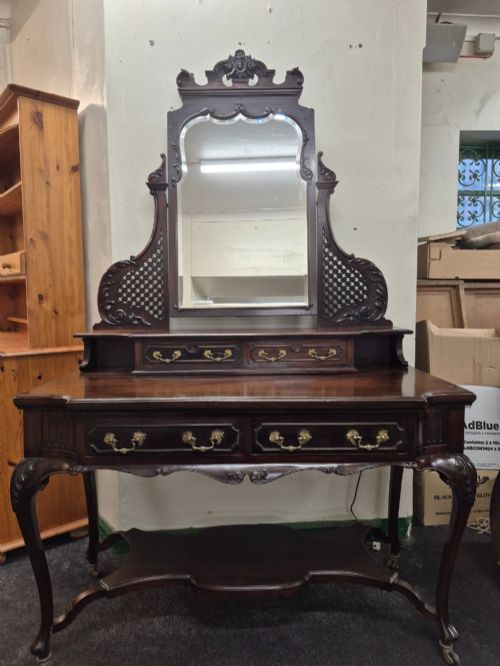
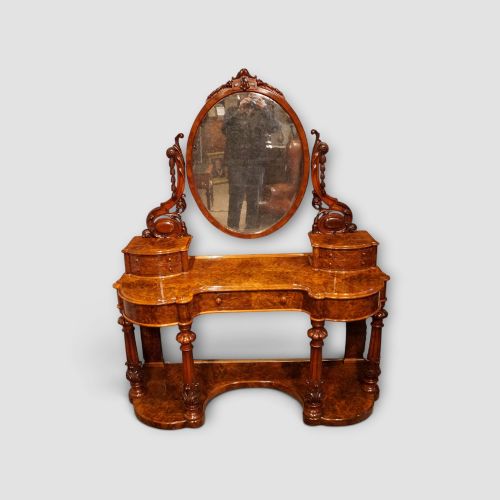
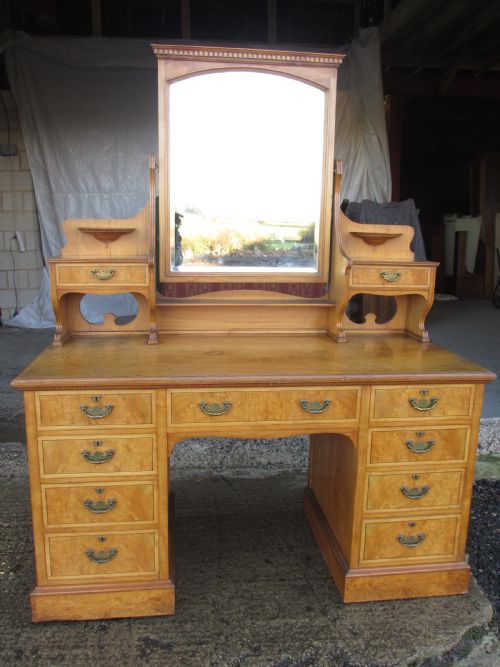
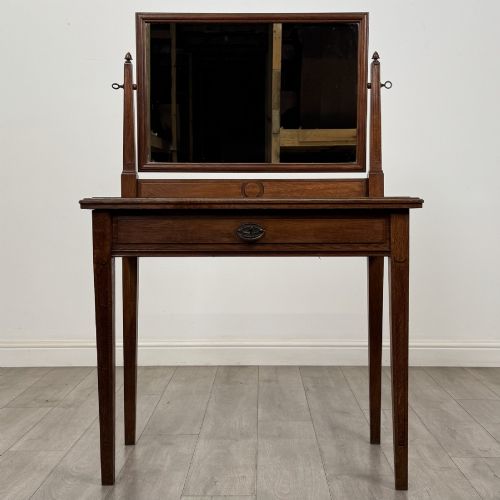
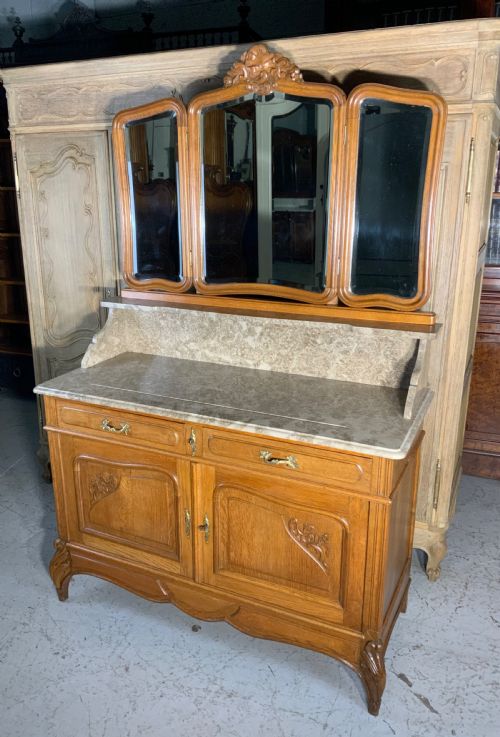
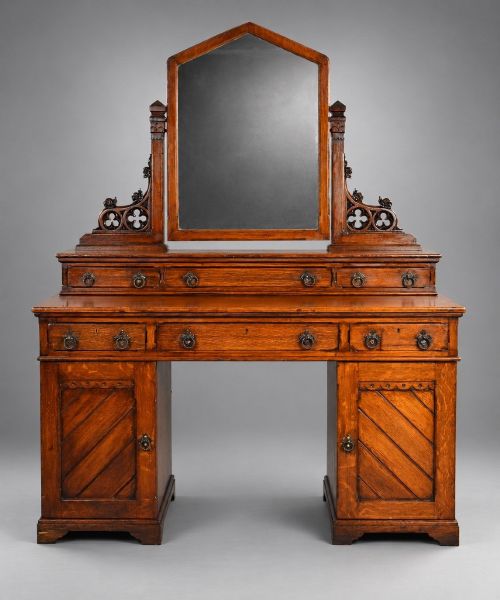
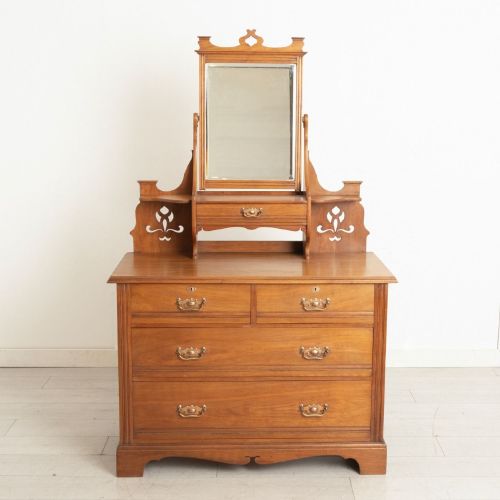
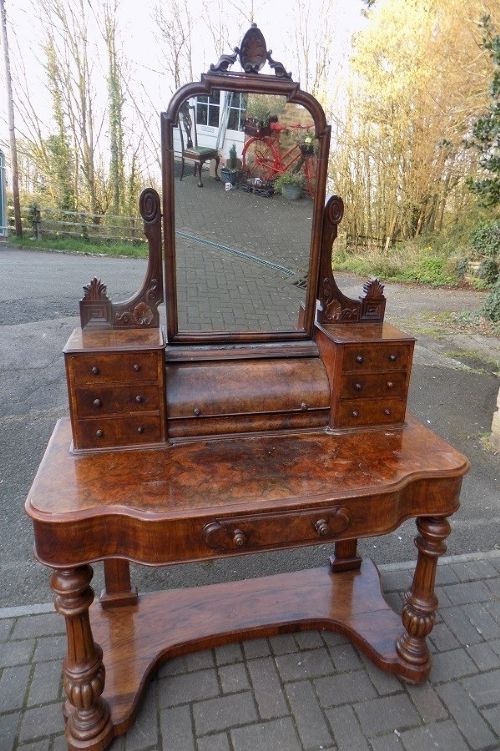
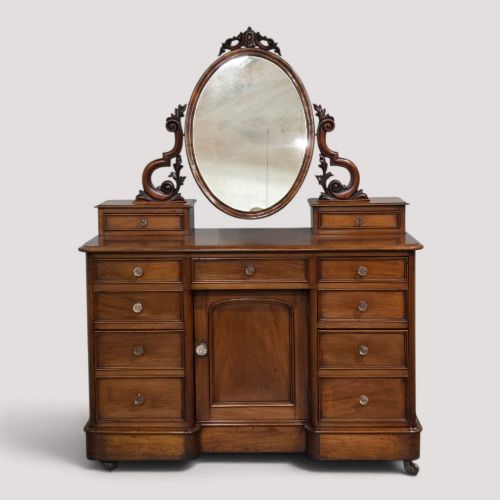
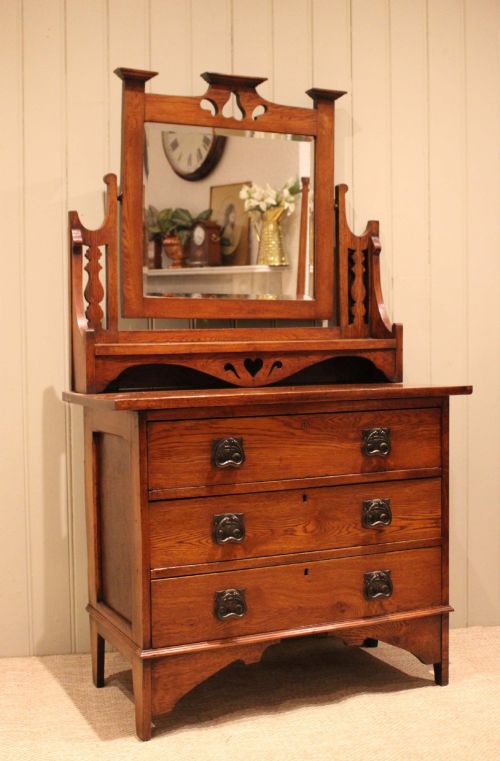
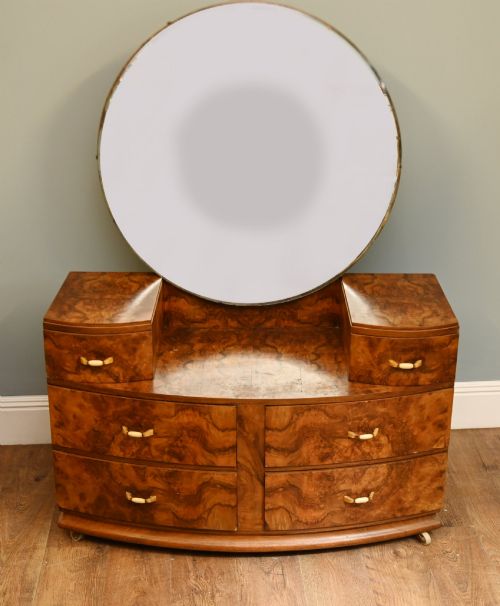
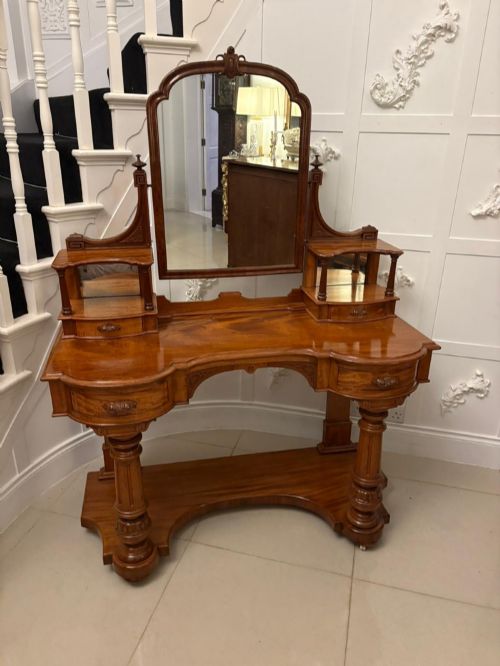
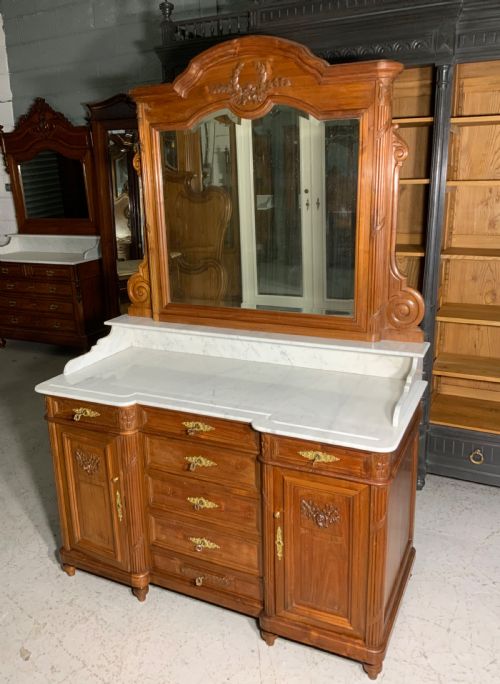
An antique dressing unit encompasses dressing tables, washstands, dressing chests, and related bedroom furniture from periods such as the Victorian, Edwardian, and Art Deco eras. Buyers searching for an antique dressing unit will frequently encounter mahogany and pine tables fitted with mirrors, alongside marble-topped washstands and walnut chests.
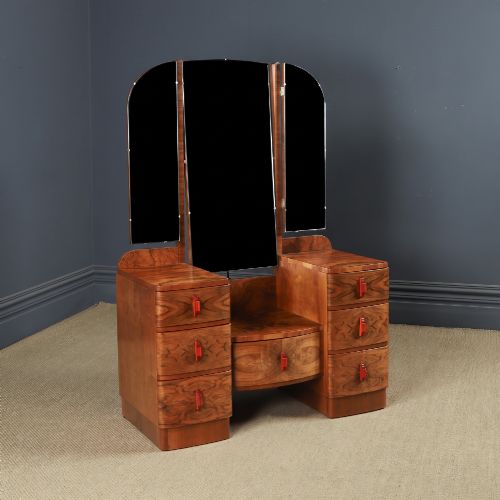
The form evolved from Georgian campaign washstands and oak lowboys into elaborate Victorian carved mahogany pieces and streamlined 1930s burr walnut designs. Pieces often feature integrated drawers, triple mirrors, or side tables designed for personal grooming and washing.
Makers ranged from large retailers like Heal's to specific workshops producing Arts and Crafts or French provincial designs. Surviving examples reflect the domestic habits of the nineteenth and early twentieth centuries, functioning as both storage and surface workspace.
Materials and construction
Timbers form the structural foundation of these pieces, utilising solid mahogany, walnut, oak, pine, and satinwood, occasionally enhanced with bird's-eye maple veneers. Craftsmen employed marquetry inlay, carving, and faux-bamboo turning to ornament the surfaces.
Marble tops appear frequently on washstands and cabinets to provide a water-resistant working surface. Brass handles, glass mirrors, and occasional metal accents complete the hardware and fittings across Victorian and twentieth-century examples.
Antique Dressing Unit Retail Price Guide 2026
Typical asking prices for dressing unit among the pieces listed under this phrase on Sellingantiques today, from the lower quarter to the upper quarter. They describe what is for sale here now, not the wider market.
Some nineteenth-century pieces successfully pretend to be bamboo while secretly made of solid maple.
Separating the ordinary from the exceptional
The caliber of a piece rests upon the selection of timber veneers, such as figured burr walnut or satinwood, and the precision of inlaid marquetry. Finer examples display meticulous hand-carving and thoughtful proportion rather than plain structural utility.
Attribution to known workshops or makers like Shapland & Petter, Edwards & Roberts, or Harry and Lou Epstein elevates a piece through documented craftsmanship and design integrity. Original glass mirrors, uncompromised marble slabs, and matching stools further distinguish top-tier examples from standard production.
Shapland & Petter·Heals·Maurice Adams·Harry and Lou Epstein·Edwards & Roberts
The Antique Dressing Unit Glossary
- Lowboy
- A small oak or mahogany table with drawers, typically standing on four legs, originating in the eighteenth century. It served various domestic functions including dressing or writing.
- Washstand
- A piece of furniture designed to hold a basin and jug for washing, often fitted with a marble top to protect the wood from water splashes. They appear in mahogany, pine, and faux-bamboo finishes.
- Burr walnut
- A specialised timber cut from the abnormal growth of a walnut tree, yielding swirling, highly figured grain patterns. It was favoured by Art Deco makers for statement dressing chests.
- Campaign washstand
- A portable washstand designed for military use during the Georgian period, engineered for easy dismantling and transport. These retain a utilitarian yet refined construction.
Antique Dressing Unit: Frequently Asked Questions
What is an antique dressing unit?
An antique dressing unit is a collective term for nineteenth and early twentieth-century bedroom furniture designed for personal grooming, including dressing tables, washstands, and fitted chests.
These pieces combine storage drawers with surfaces for mirrors or basins, reflecting the domestic routines of the Victorian, Edwardian, and Art Deco periods.
How do I date an antique dressing table?
Dating relies on identifying the prevailing style, timber choices, and construction methods associated with specific decades. Victorian examples often feature heavy carved mahogany, while Edwardian pieces lean towards inlaid satinwood and 1930s items display streamlined burr walnut.
Examining secondary woods inside the drawers and the style of the mirror supports also helps determine the exact period of manufacture.
Can I use an antique washstand today?
An antique washstand functions well as a bathroom vanity or a side table in contemporary interiors. The marble tops provide a durable surface that resists water moisture.
Many buyers adapt these pieces to hold modern basins or simply utilise the shelf and drawer space for storage.
What is the difference between a dressing chest and a dressing table?
A dressing chest combines a chest of drawers with an attached or resting mirror, offering substantial enclosed storage alongside a surface for grooming. A dressing table is typically lighter in construction, often supported by legs with kneehole space underneath.
Both forms served the same primary function in the bedroom but cater to different spatial requirements and design traditions.