

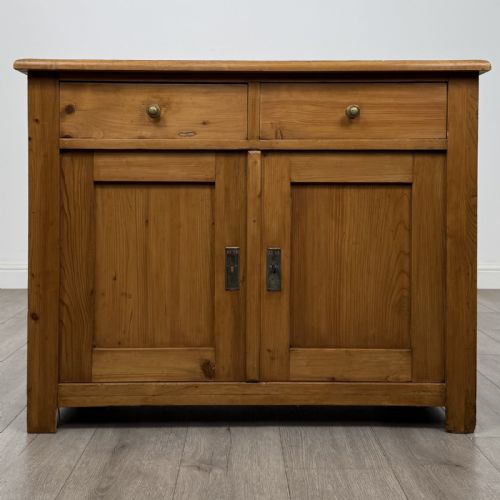
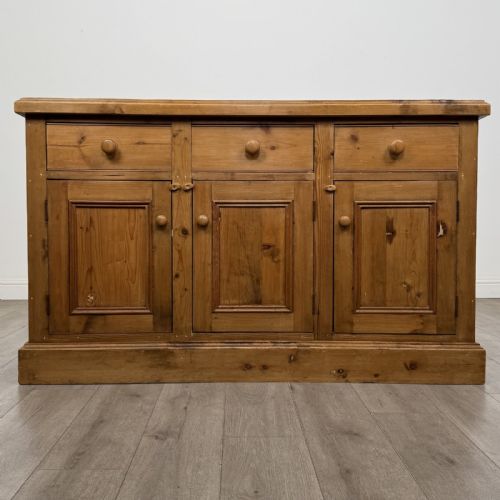
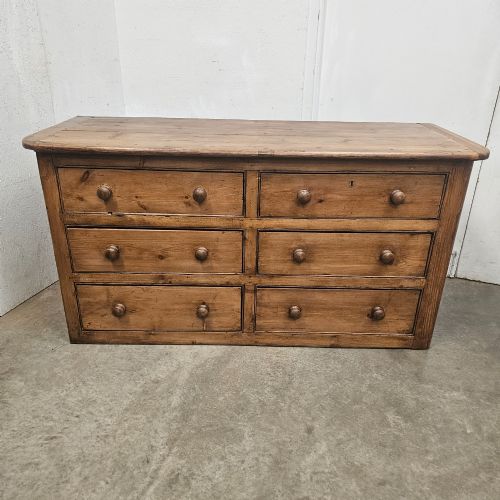
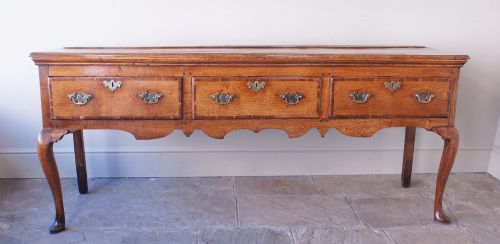
Antique Dresser Base with Drawers
An antique dresser base with drawers offers generous storage and low surfaces once used for food preparation, suited to modern kitchens and dining rooms.
Antique Dresser Base with Drawers
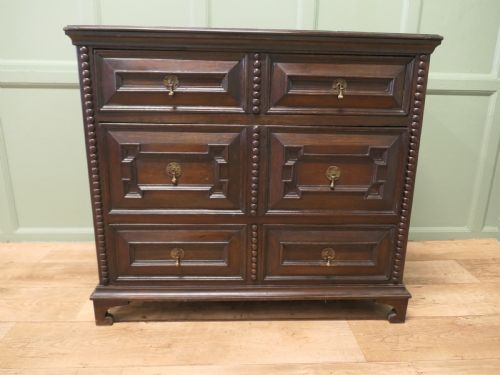
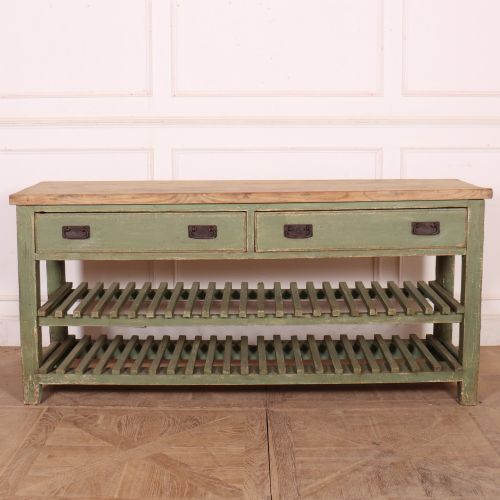
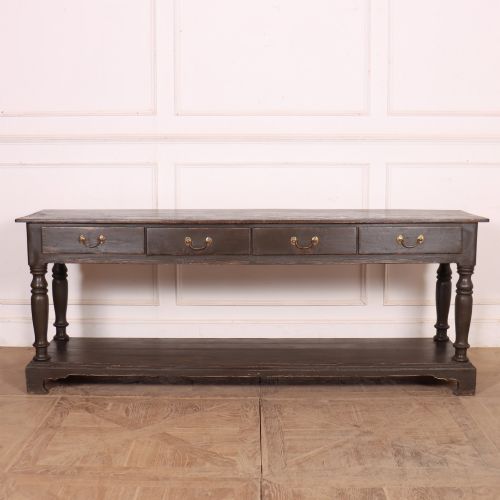
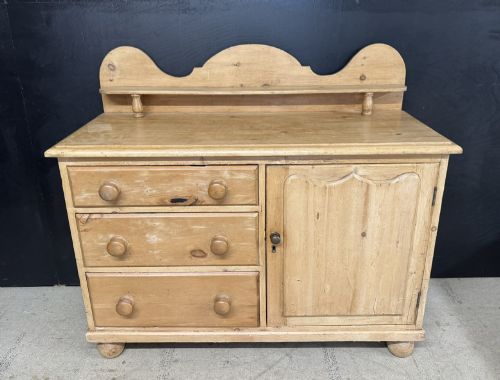
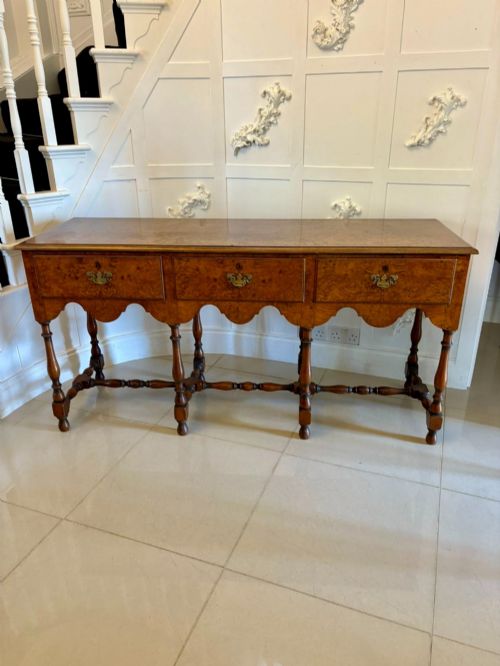
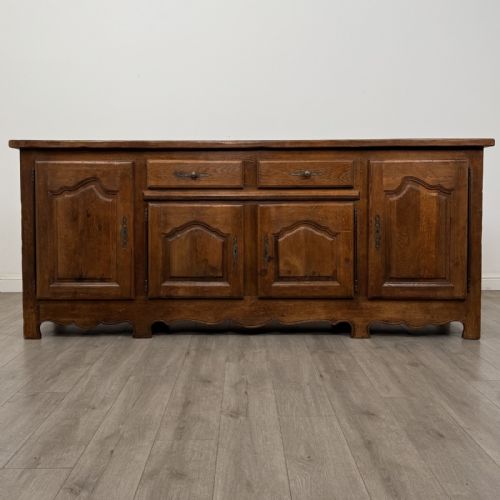
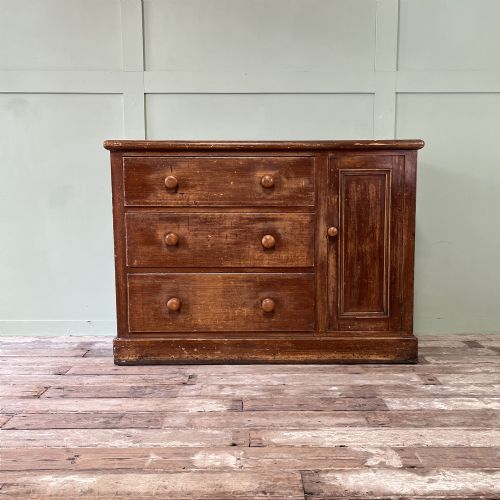
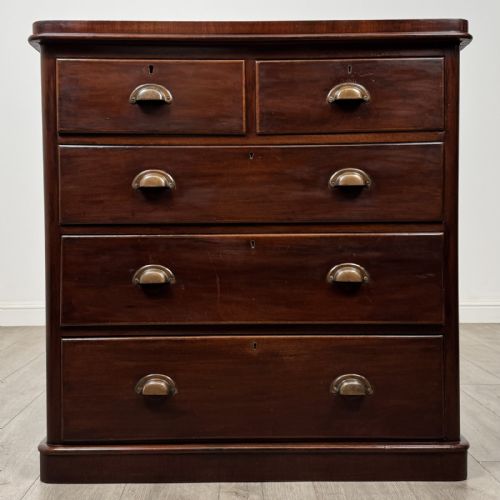
An antique dresser base with drawers functions as a low storage cabinet originally designed for domestic service, differing from tall kitchen dressers by lacking upper shelving. These practical pieces provide surface space alongside drawer and cupboard storage below.
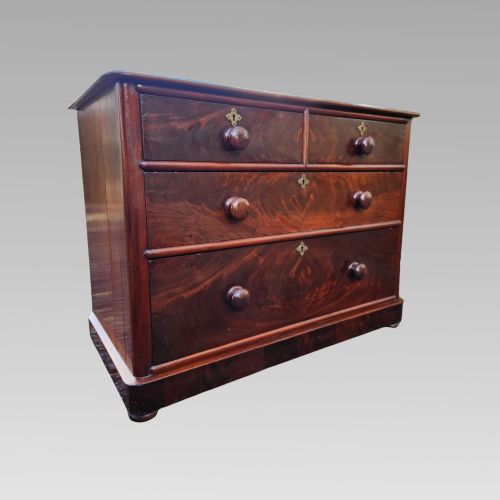
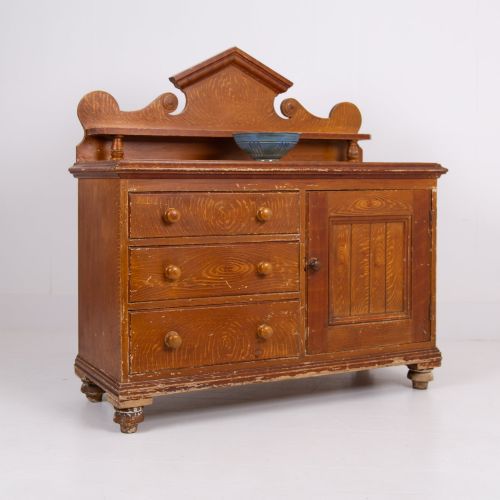
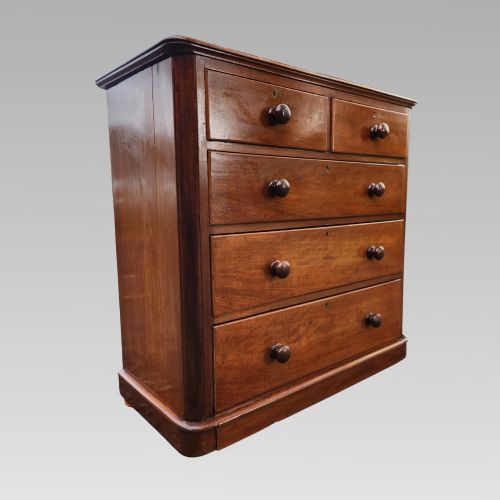
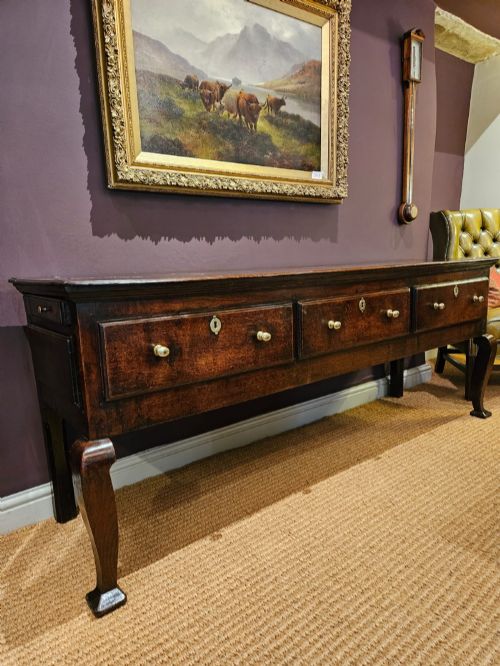
The selections span centuries from the Georgian and 18th century periods through the Victorian and Edwardian eras, reflecting regional variations from Wales, Cheshire, and Lancashire. Oak and pine dominate the forms, appearing alongside mahogany and painted finishes.
What varies in quality
Construction methods and timber selection set the baseline for quality, distinguishing robust hardwood frames from softer pine vernacular pieces. The choice of cabinet wood, from local oak to imported mahogany, dictates the formality and original status of the piece.
The integrity of original drawers, hardware, and lower potboards determines the character and historical value of the base. Finer examples retain period brass handles and undisturbed timber patination accrued through centuries of domestic use.
Antique Dresser Base with Drawers Retail Price Guide 2026
Typical asking prices for dresser base with drawers among the pieces listed under this phrase on Sellingantiques today, from the lower quarter to the upper quarter. They describe what is for sale here now, not the wider market.
Listings feature oak, pine, and mahogany materials spanning from the 18th century through the Edwardian era.
The Antique Dresser Base with Drawers Glossary
- Potboard
- A low slatted shelf fitted between the lower legs of a dresser base, traditionally used for storing pots and pans. This lower tier provides structural stability to the base while adding extra surface area.
- Chiffonier
- A compact low sideboard or cupboard featuring drawers and doors, popular during the Victorian and Edwardian periods. These smaller pieces often served dining rooms or halls for storing tableware or linens.
- Bread slide
- A pull-out wooden board integrated into the furniture frame, originally used for slicing bread or cooling baked goods. This clever shallow drawer runs smoothly on side runners beneath the main work surface.
- Raised gallery
- A low decorative upstand fixed to the rear or sides of a serving table to prevent items from sliding off. This feature appears frequently on Edwardian oak sideboard designs.
- Crossbanding
- A decorative border technique where thin strips of veneer are laid with the grain running perpendicular to the main surface. This framing method adds refined detail to mahogany and walnut furniture.
Antique Dresser Base with Drawers: Frequently Asked Questions
What is the difference between a dresser base and a full dresser?
A dresser base consists only of the lower cabinet portion with drawers and cupboards, lacking any upper plate racks or shelving. This lower configuration offers a versatile surface suitable for use as a sideboard.
Full dressers combine the lower base with tall upper shelves designed for displaying ceramics. Buyers choose dresser bases when they require surface space and closed storage without vertical wall height.
Where were dresser bases traditionally used in the home?
These sturdy units originated in kitchens and pantries where food preparation and heavy culinary tasks took place. The low surfaces and drawers kept utensils and ingredients within arm's reach.
Over time, many pieces transitioned into dining rooms and halls to serve as sideboards for serving food and storing linens. Today, they integrate easily into modern living spaces for varied storage needs.
How do I care for a waxed pine dresser base?
Waxed pine benefits from regular gentle cleaning with a soft, dry cloth to remove dust and prevent surface buildup. Applying a quality beeswax occasionally maintains the moisture and lustre of the timber.
Avoid placing these pieces near direct heat sources or in damp environments, which can cause the old wood to warp or split. Promptly wipe up any liquid spills to protect the traditional waxed finish.
How can I tell a Georgian dresser base from a Victorian one?
Georgian dresser bases, particularly those from the 18th century and George III period, frequently feature heavy oak construction, cabriole legs, or traditional potboards. Their proportions and joinery reflect earlier hand-tool methods.
Victorian and Edwardian examples often utilise softer pine or feature decorative additions like raised galleries, turned legs, and chiffonier configurations. Industrial developments in this later era also influenced hardware styles and secondary wood choices.