

Antique Dress Set
An antique dress set brings together matched cufflinks and studs in precious metals and stones for formal evening wear.
Antique Dress Set
When you search for an antique dress set, you encounter matching ensembles intended for gentlemanly formal attire, typically comprising cufflinks and collar or shirt studs housed in fitted presentation boxes. These coordinated accessories date predominantly from the late Victorian and Edwardian eras through to the Art Deco period.
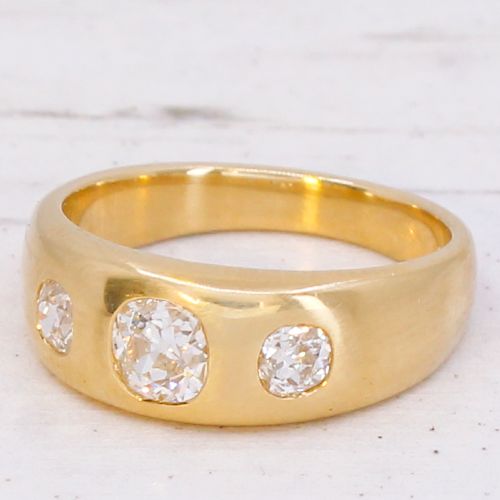
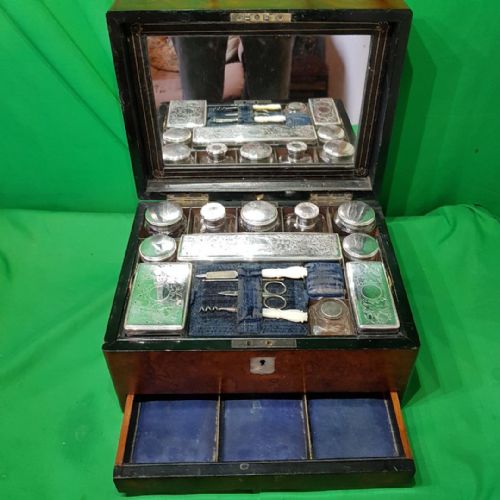
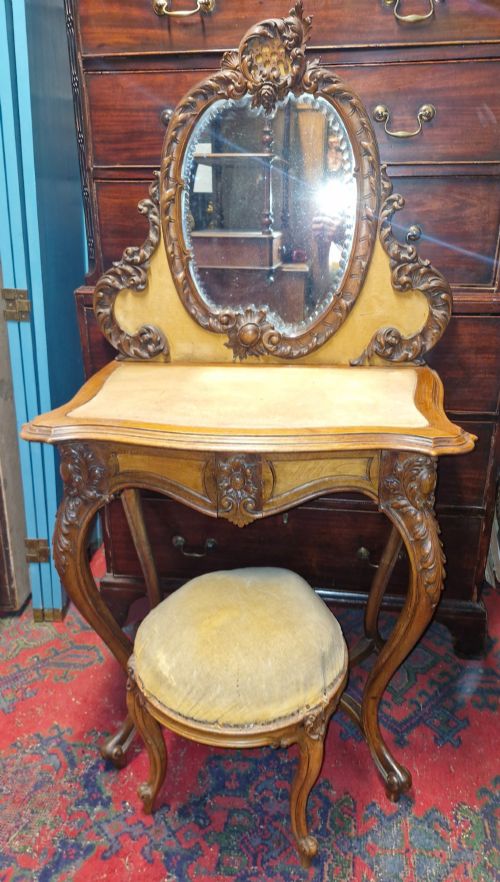
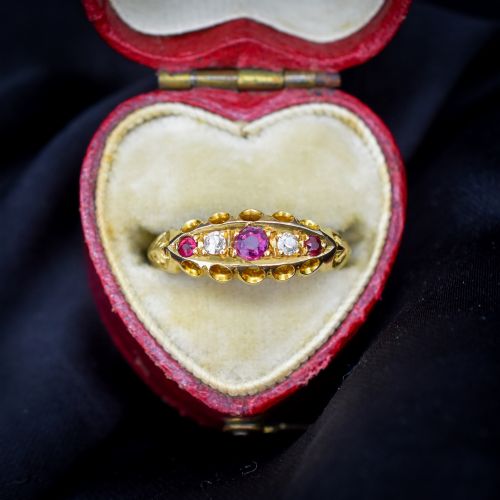
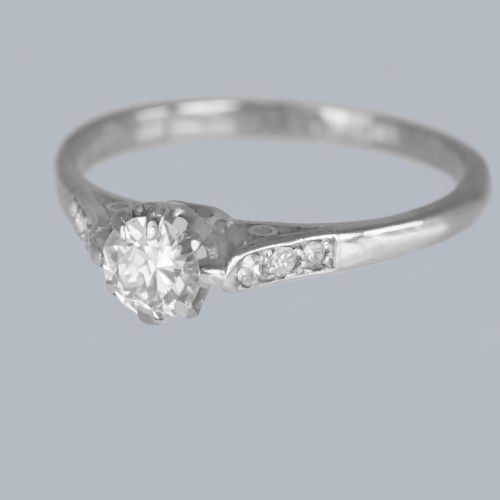
The materials employed in these sets reflect the formal requirements of the period, pairing precious metals such as nine-carat and eighteen-carat gold with gems like diamond and onyx, alongside mother-of-pearl. While some listings focus on jewellery rings or large bedroom suites, the traditional dress set remains a distinct form designed for evening suiting.
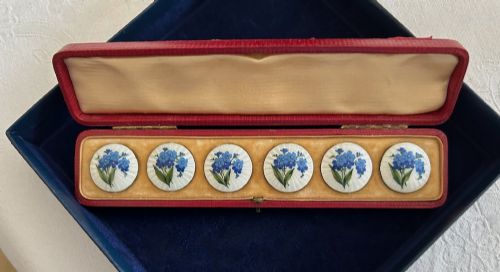
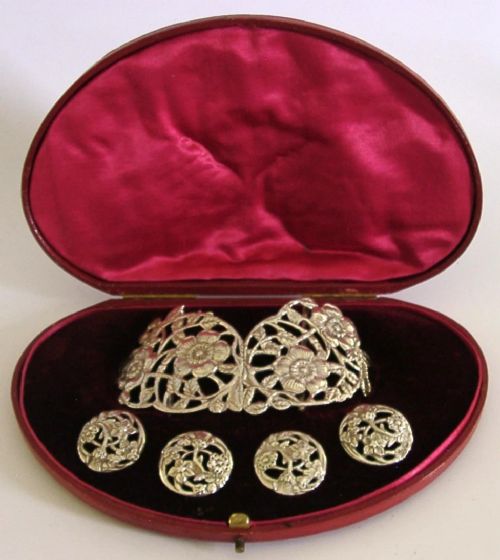
Surviving examples often retain their original cased presentation boxes, marking them out as complete accessories intended for formal social occasions. They demonstrate the high standard of small-scale metalwork and gem-setting typical of early twentieth-century workshops.
Materials and construction
Makers utilised precious metals like yellow and white gold, alongside silver, to form the structural mounts for cufflinks and dress studs. These metals were frequently hallmarked to indicate the standard of purity and the assay office of origin.
Gemstones including diamonds, rubies, and onyx were hand-cut in period styles such as old mine cuts and rose cuts, then securely bezel-set or flush-mounted into the metal frames. Mother-of-pearl and glass also appear, shaped and polished to fit precise geometric or circular mountings.
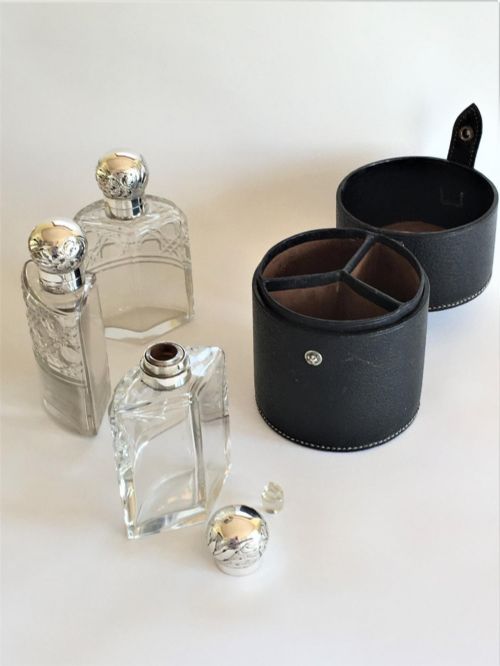
Specialised cases lined in velvet or silk were constructed to house these small items securely, often bearing the stamp of the original retailer or maker on the inner lid.
Materials recorded across these items range from platinum and eighteen-carat gold to velvet, glass, and diamonds.
Judging quality and completeness
The distinction between standard items and superior examples rests upon the uniformity of the matched components and the integrity of the original case. Sets that retain every original stud and cufflink without replacement pieces command greater interest.
The fineness of the gem-cutting and the precision of the metalwork further separate ordinary production from finer commissions. Hand-finished details on the reverse of the studs and secure, well-engineered toggles on the cufflinks indicate superior workshop practices.
Solomon Blanckensee Son·Abraham Meyer Blanckensee·Waring & Gillows·Frank Taylor & Co.
The Antique Dress Set Glossary
- Cufflinks
- Paired ornamental fastenings for shirt cuffs, joined by a rigid bar, chain, or flexible connector. They form the core of any traditional dress set.
- Dress Studs
- Small removable buttons used in place of standard shirt buttons on formal pleated or piqué evening shirts. They are styled to match the accompanying cufflinks.
- Hallmark
- An official stamp struck into precious metal indicating the purity, the maker, and the assay office. British items often display Chester or Birmingham marks.
- Old Cut Diamond
- A hand-faceted diamond cut before the standardisation of the modern brilliant cut in the early twentieth century. These stones feature smaller tables and higher crowns.
- Mother-of-Pearl
- The iridescent internal layer of pearl oyster shell used historically for dress buttons and gaming counters. It provides a luminous white surface for evening wear.
Antique Dress Set: Frequently Asked Questions
What items belong in a dress set?
A complete antique dress set typically includes a matching pair of cufflinks and a set of shirt studs designed for formal evening wear. Some configurations also incorporate matching collar studs or waistcoat buttons.
These pieces were manufactured as a cohesive suite to ensure uniform presentation against white or black tie attire.
How were dress sets used?
Gentlemen wore these coordinated accessories during formal evening events, dinners, and balls throughout the Victorian and Edwardian periods. The studs secured the starched front of a formal shirt where standard buttons would prove too bulky.
The cufflinks fastened the shirt cuffs, completing an understated yet polished standard of evening dress.
How do I date a dress set?
Dating relies heavily on hallmarks stamped onto the gold or silver mounts, which indicate the exact assay year and city. Stylistic markers, such as Art Deco geometric lines or Edwardian platinum-topped motifs, also help assign a period.
The inclusion of the original fitted case often provides retailer clues that narrow down the timeline.
Are original boxes important?
The original presentation case adds significant context and protection to antique dress sets. These fitted boxes, often lined in silk and velvet, were custom-made for the specific configuration of cufflinks and studs.
Finding a set housed in its original retailer box indicates careful preservation over the decades.