






Antique Dragon Desk
An antique dragon desk brings carved hardwood and mythological motifs together, offering a striking centrepiece for a study.
Antique Dragon Desk
An antique dragon desk represents a specific intersection of scholarly form and mythical ornamentation, drawing on Chinese export and Japanese Meiji aesthetics. When exploring an antique dragon desk, one encounters solid hardwood writing tables shaped during the nineteenth and early twentieth centuries.
The desks visible in current records date from periods such as the Edwardian era and the late nineteenth century, often pairing dense timbers with detailed carving. These pieces frequently incorporate traditional motifs that reflect East Asian craftsmanship adapted for Western interiors.
Materials and construction methods
Makers of an antique dragon desk relied on heavy hardwoods like elm and rosewood, selected for stability and deep grain. Joinery methods followed traditional framework construction, allowing large timber panels to hold substantial carved details without warping.
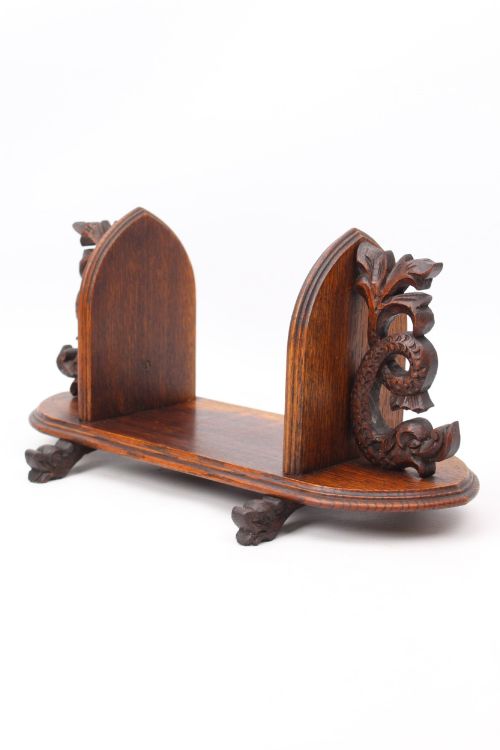
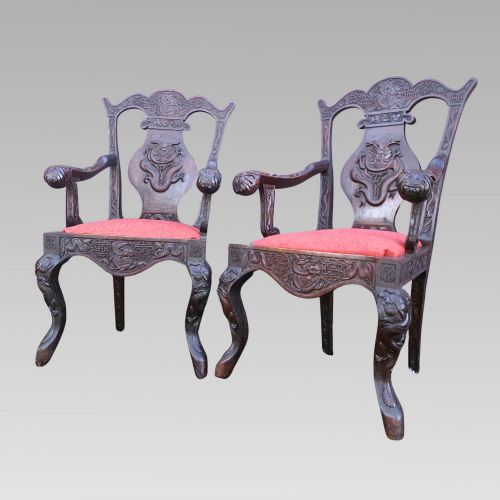
Carving was executed by hand, bringing high relief to surface ornamentation such as dragons, foliage, and structural supports. This manual labour gave each writing table individual tool marks and distinct depth in the wooden drapery and scales.
Antique Dragon Desk Retail Price Guide 2026
Typical asking prices for dragon desk among the pieces listed under this phrase on Sellingantiques today, from the lower quarter to the upper quarter. They describe what is for sale here now, not the wider market.
Current listings demonstrate that furniture matching this search phrase spans the late 19th century through the Edwardian period, primarily utilising hardwood.
Markers of execution and finish
Quality in an antique dragon desk rests on the crispness of the hand carving and the selection of the hardwood timber. Superior examples display deep, undercut relief work where dragon scales and claws are sharply defined rather than softened by wear or hasty finishing.
Structural integrity also separates standard tables from finer works, notably in the tightness of the joinery and the preservation of the original polish. The best pieces maintain balanced proportions between the writing surface and the heavily ornamented friezes or legs.
The Antique Dragon Desk Glossary
- Hardwood
- Dense timber derived from broad-leaved deciduous trees, used for structural stability and fine carving on writing tables.
- Chinoiserie
- European artistic style reflecting Chinese motifs and techniques, popular in furniture and decorative arts.
- Meiji Period
- Japanese historical era spanning from 1868 to 1912, known for elaborate bronze work and export crafts.
- Qing Dynasty
- The final imperial dynasty of China, lasting from 1644 to 1912, associated with intricate carvings and scholarly objects.
Antique Dragon Desk: Frequently Asked Questions
What defines an antique dragon desk?
An antique dragon desk is a nineteenth or early twentieth-century writing table constructed from dense hardwoods and decorated with carved mythical serpents.
These desks combine functional workspace with traditional East Asian carving styles, reflecting global trade influences of the period.
Which woods were used for these desks?
Makers utilised heavy tropical and regional hardwoods, notably elm and various imported Asian timbers that could support deep relief carving.
These materials provided the structural strength needed for heavily ornamented writing surfaces and sturdy table legs.
How do I date an antique dragon desk?
Dating relies on examining the construction methods, the wood finish, and the specific style of the carved ornamentation.
Comparison with documented nineteenth and early twentieth-century examples helps establish the correct period of manufacture.
Where were these desks made?
Many examples originated in workshops producing items for export, combining Eastern motifs with forms suited to Western homes.
British firms also produced pieces in a related chinoiserie style during the Edwardian period.