



Antique Dragon China
Antique dragon china brings mythical beasts into domestic rooms across porcelain plates, bowls, and cabinet pieces.
Antique Dragon China
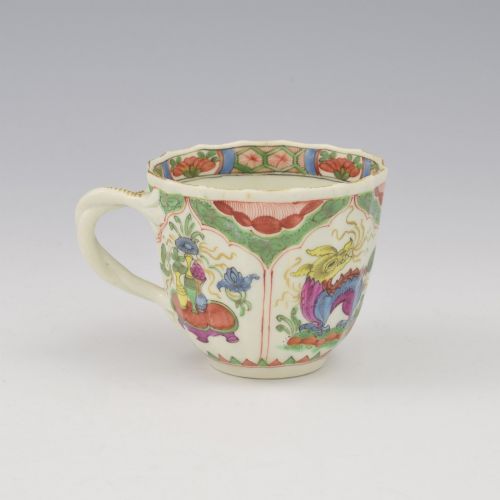
When you search for antique dragon china, you encounter diverse porcelain and ceramic forms spanning the eighteenth, nineteenth, and early twentieth centuries. The selection centres heavily upon English porcelain tea wares and decorative plates featuring the dragon in compartments pattern, alongside Chinese export and later lustre wares.
Most examples originate from English factories such as Worcester and Wedgwood, or nineteenth-century Chinese workshops. Forms range from coffee cups and dessert plates to large bowls and display cabinets housing oriental porcelain.
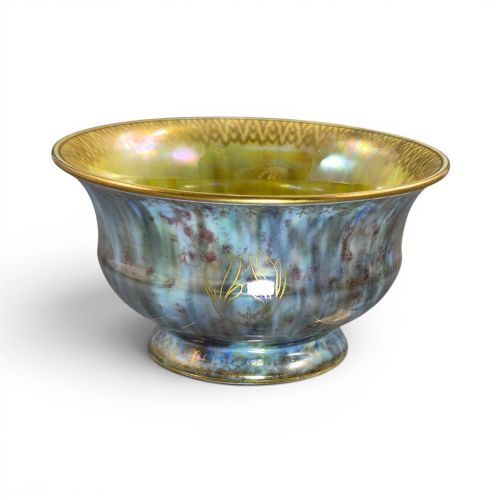
The aesthetic bridges Georgian classical restraint and later Edwardian fantasy, uniting Eastern motifs with European ceramic traditions. Buyers find everything from Dr Wall Worcester cups to Wedgwood Fairyland lustre bowls.
Materials and production methods
Makers utilised fine porcelain, ironstone china, and earthenware bodies as the foundation for intricate hand-painted decoration. Lustre glaze, enamel, and gold leaf were applied over the ceramic surface to create shimmering metallic effects and rich polychrome details.
Cabinet makers also utilised carved hardwood to house and display these fragile ceramic pieces. Firing techniques evolved from eighteenth-century soft-paste porcelain production to robust nineteenth-century ironstone and early twentieth-century lustre methods.
Antique Dragon China Retail Price Guide 2026
Typical asking prices for dragon china among the pieces listed under this phrase on Sellingantiques today, from the lower quarter to the upper quarter. They describe what is for sale here now, not the wider market.
Owning a dragon bowl means feeding mythical beasts without ever needing to clean up ash or provide livestock.
Judging quality in dragon ceramics
Quality rests upon the precision of the hand-painted enamel and the crispness of the porcelain moulding. Pieces bearing named patterns from established factories display superior control over gold leaf application and glaze consistency.
The artistic ambition of the design dictates the upper tier of the market, distinguishing standard factory output from imaginative works by individual designers.
Wedgwood·Barr Flight and Barr·Chamberlain Worcester·Mason s
The Antique Dragon China Glossary
- Dragon in Compartments
- A specific decorative pattern featuring mythical dragons divided within geometric or floral borders. It appears frequently on English porcelain from Worcester factories.
- Lustre Glaze
- A metallic ceramic glaze that produces an iridescent, reflective surface sheen. It is particularly characteristic of early twentieth-century Wedgwood production.
- Chinoiserie
- European stylistic interpretation of Chinese and East Asian artistic motifs. This style heavily influences the decoration found on many eighteenth and nineteenth-century items.
- Ironstone China
- A durable type of heavy earthenware patented in the nineteenth century. It offered a robust alternative to true porcelain while accepting enamels readily.
- Armorial Dessert Plate
- A ceramic plate featuring a family crest or coat of arms alongside pattern work. These bespoke pieces were commissioned by wealthy households for formal dining.
Antique Dragon China: Frequently Asked Questions
What is dragon in compartments china?
This distinct pattern divides the surface into separate panels containing stylized dragons and oriental motifs.
It appears predominantly on English porcelain plates and tea wares from the late eighteenth and early nineteenth centuries.
How do I date Wedgwood lustre dragon bowls?
These colourful pieces generally date from the Edwardian era and the 1910s to 1920s.
They were largely designed by Daisy Makeig-Jones and combine fairy-tale imagery with vibrant metallic glazes.
Where were these dragon plates made?
The selection includes both English factory productions and Chinese export items.
English makers like Worcester and Chamberlain adapted oriental dragon motifs for domestic dining and tea services.
How should I display antique dragon ceramics?
Display them away from direct sunlight to preserve the delicate enamel colours and gold leaf highlights.
Enclosed hardwood display cabinets offer physical protection while complementing the carved wooden aesthetics often associated with these pieces.