



Antique Dormeuse
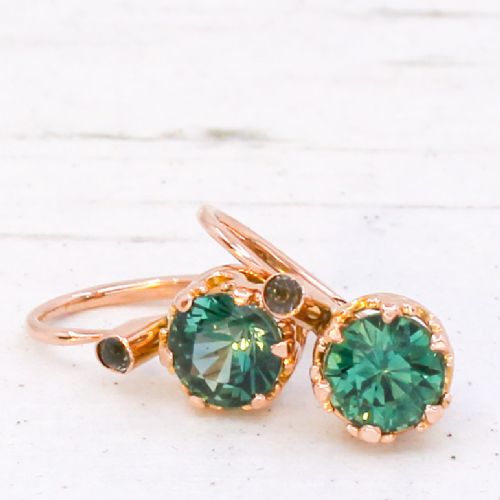
Antique dormeuse pieces bring together fine diamond drop earrings and delicate porcelain figurines designed for display.
Antique Dormeuse
When you search for antique dormeuse items, you encounter a distinct mix of jewellery and porcelain figures spanning the Victorian, Edwardian, and later periods. The term most frequently brings up drop earrings set in yellow gold and platinum, featuring old cut diamonds.
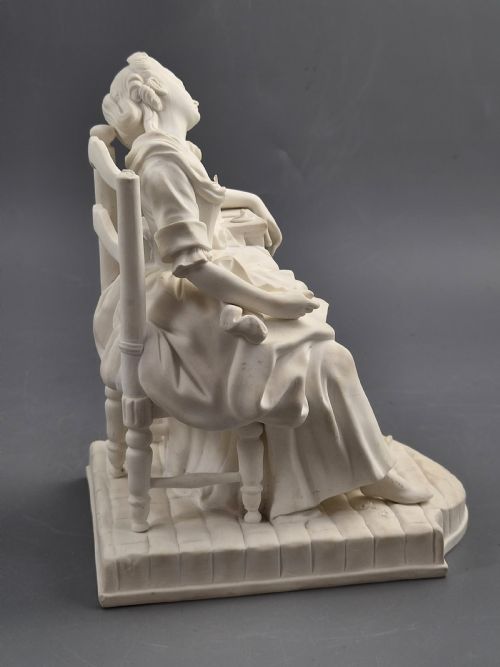
Alongside the diamond drop earrings, the selection includes biscuit porcelain figures, notably pieces like the Old Paris figure of La Dormeuse after Michel Victor Acier. These objects range from the late nineteenth century through to the art deco era.
The earrings generally utilise secure settings suitable for continuous wear, pairing yellow gold with white metals to highlight the stones. The porcelain works represent classical subjects through parian ware and biscuit porcelain manufacture.
How they were made
The jewellery pieces utilise 18ct yellow gold and platinum, combining traditional casting methods with hand-cut diamonds such as old European cuts and rose cuts. Gemstones including unheated sapphires are secured in claw or collet settings designed during the Edwardian and Victorian eras.
Porcelain figures are shaped from parian and biscuit porcelain using detailed moulds, capturing the smooth matte finish characteristic of nineteenth-century French ceramic studios. These figures replicate classical sculptural models through careful kiln firing and finishing.
Antique Dormeuse Retail Price Guide 2026
Typical asking prices for dormeuse among the pieces listed under this phrase on Sellingantiques today, from the lower quarter to the upper quarter. They describe what is for sale here now, not the wider market.
What varies in quality
The distinction between tiers of jewellery rests on the precision of the diamond cutting and the integration of platinum with yellow gold. Settings that preserve the crispness of the original metalwork without excessive wear distinguish finer examples from standard production.
Porcelain quality depends on the clarity of the mould impression and the preservation of the matte surface texture. Pieces that retain sharp facial details and clean unglazed bodies represent superior ceramic execution.
The Antique Dormeuse Glossary
- Dormeuse
- A term used for drop earrings traditionally designed to be comfortable enough for sleeping. They often feature secure fastenings and prominent front-facing stones.
- Old Cut Diamond
- A diamond cut by hand before modern machinery standardise facets. These stones typically display smaller tables and high crowns.
- Parian Porcelain
- A fine biscuit porcelain developed in the nineteenth century to imitate marble. It possesses a smooth, unglazed appearance.
- Rose Cut Diamond
- A diamond shape featuring a flat base and a domed crown covered in triangular facets. This cut dates back centuries and creates a soft lustre.
Antique Dormeuse: Frequently Asked Questions
What is an antique dormeuse?
An antique dormeuse typically refers to a style of drop earring designed for comfortable wear, often incorporating old cut diamonds set in gold and platinum. The term also applies to specific nineteenth-century porcelain figures representing sleeping subjects.
The items found in this category span the Victorian and Edwardian periods, showcasing the craftsmanship and materials characteristic of those decades.
How do I care for antique diamond earrings?
Antique diamond earrings require gentle cleaning with warm soapy water and a soft brush to remove accumulated oils from the settings. Avoid harsh chemical cleaners that might affect the gold or platinum work.
Store them individually in lined boxes to prevent the old cut stones from scratching the surrounding metalwork or other pieces.
What is parian porcelain?
Parian porcelain is an unglazed ceramic material developed in the nineteenth century to resemble carved white marble. It was frequently used for portrait busts and classical figures.
This material is valued for its fine grain and matte finish, which highlights the subtle contours of sculptural pieces.
How can I tell an Edwardian piece?
Edwardian jewellery often employs platinum topped gold, which allowed makers to construct delicate, lace-like settings for diamonds. This period favoured light, airy designs that utilised millegrain edging.
The use of old cut and rose cut diamonds combined with yellow gold and platinum forms a reliable indicator of Edwardian manufacture.