





Antique Doorstop Decor
Antique doorstop decor brings heavy iron and gleaming brass to your floors, holding heavy doors open with utilitarian charm.
Antique Doorstop Decor
Antique doorstop decor comprises functional heavy weights and ornamental figures designed to keep doors propped open. When you search for antique doorstop decor, you encounter robust objects created to manage heavy draughts in grand houses and modest cottages alike.
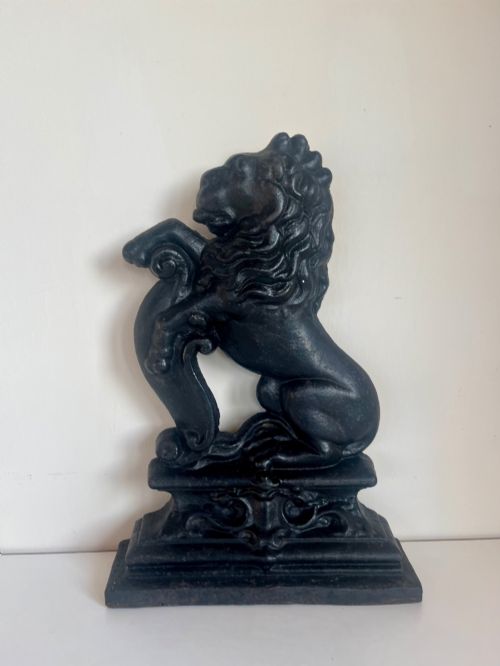
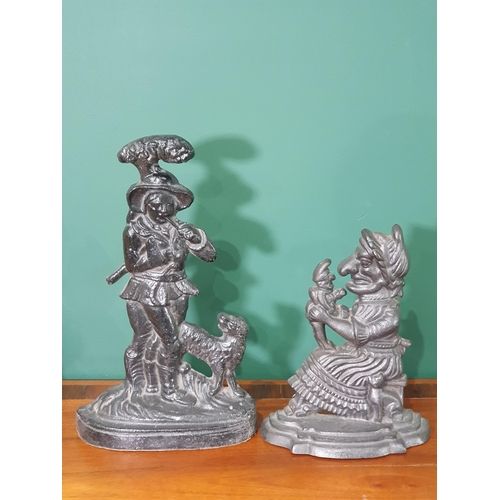
The selections here span the nineteenth century into the twentieth century, featuring Victorian, Edwardian, and Art Deco periods. You find forms ranging from cast iron animal figures to granite curling stones and brass chimney horses.
These items double as fireplace ornaments and fireside companions, reflecting domestic utility of past eras. The most common varieties rely on cast iron and brass, shaped into horses, lions, and human figures.
How these pieces were made
Makers utilised durable metals including cast iron, brass, copper, and bronze, often pouring molten material into sand moulds to achieve solid, heavy forms. Painted finishes were frequently applied to iron figures, bringing colour and detail to horses and human representations.
Stonework also appears, notably in the form of granite curling stones repurposed for household use. Wood and steel supplement these primary materials in specific functional components and allied fireside equipment.
Antique Doorstop Decor Retail Price Guide 2026
Typical asking prices for doorstop decor among the pieces listed under this phrase on Sellingantiques today, from the lower quarter to the upper quarter. They describe what is for sale here now, not the wider market.
Materials represented across the collection include cast iron, brass, copper, bronze, granite, wood, and steel.
What varies in quality
The choice of material elevates certain items, with heavy brass and warm bronze castings sitting at the upper end of the scale compared to simpler utility items. The weight and stability of the object dictate its practical success as a door porter.
The Antique Doorstop Decor Glossary
- Cast iron
- A strong, heavy alloy of iron and carbon poured into moulds to create rigid, durable objects. It forms the foundation of most heavy doorstops.
- Door porter
- An alternative term for a heavy doorstop designed to hold interior doors open against draughts. These pieces often feature a handle for easy movement.
- Fireside companion
- An implement or decorative accessory used near the hearth, sharing materials and domestic context with doorstops.
- Curling stone
- A heavy polished stone, traditionally made of granite, used in the Scottish sport of curling and occasionally repurposed as a doorstop.
- Crinoline lady
- A decorative figure depicted wearing a wide Victorian skirt stiffened with horsehair or whalebone, commonly found on fireside ornaments.
Antique Doorstop Decor: Frequently Asked Questions
How were these heavy pieces used?
They were placed against interior doors to prevent them from slamming shut in draughty hallways and rooms. Many also doubled as fireplace ornaments or fireside companions.
Their substantial weight ensured they remained stable while holding heavy wooden doors in place across grand houses and modest homes.
What materials are most common?
Cast iron and brass dominate the selections, offering the necessary weight and durability for holding doors. Copper, bronze, and granite also appear in various forms.
Painted finishes frequently decorate the iron examples, adding colour and character to animal and human figures.
How do I date these pieces?
Dating relies on stylistic markers from periods such as the Victorian era, Edwardian period, and nineteen-twenties Art Deco. Material choices and manufacturing techniques also provide clues to age.
Victorian pieces often feature robust cast iron animals, whilst later twentieth-century items reflect shifting domestic tastes and manufacturing standards.