









Antique Door Sign
An antique door sign brings crisp utility and period character to an entrance, offering tangible history in brass, enamel, glass, and wood.
Antique Door Sign
When you search for an antique door sign, you are looking for functional markers of identity, direction, and instruction that once ordered homes, railways, and commercial premises. These pieces survive in various physical forms, reflecting the practical communication needs of past centuries.
The selections available here span several distinct eras, drawing from Victorian, Edwardian, and early twentieth-century production. You will encounter utilitarian metal plaques alongside hand-painted wooden indicators and glass fixtures.
Such pieces range from specific railway notices to domestic room markers. Each item carries the distinct typographic and material choices of its period, providing an authentic slice of everyday history.
Materials and construction methods
Makers utilised durable materials designed to withstand daily handling and exposure to the elements. Enamel and cast iron provided robust longevity for outdoor and transit use, while brass offered a polished finish for interior hardware.
Wood and glass surfaces relied on careful hand painting and sign writing to deliver clear lettering. Mahogany and oak provided sturdy backdrops for painted or applied notifications.
Production techniques combined metal casting, vitreous enamelling, and skilled brushwork. These methods ensured that the lettering remained legible and the structure endured heavy usage over decades.
Antique Door Sign Retail Price Guide 2026
Typical asking prices for door sign among the pieces listed under this phrase on Sellingantiques today, from the lower quarter to the upper quarter. They describe what is for sale here now, not the wider market.
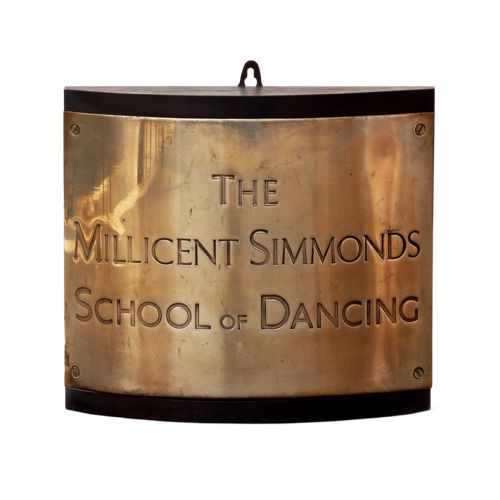
Even the local dancing school needed to mark its territory with curved brass.
Assessing quality and authenticity
Quality in these items rests upon the clarity of the typography and the integrity of the original substrate. Superior examples display crisp, deliberate lettering and well-preserved surfaces that show honest patination rather than modern intervention.
The choice of material elevates certain pieces, with vitreous enamel and heavy cast bronze representing durable manufacturing standards. The skill of the sign writer dictates the artistic merit of painted wooden and glass variants.
Overall condition and completeness determine the standing of a piece within its category. Items retaining their original mounting brackets or uncompromised enamel surfaces possess greater integrity for the collector.
Gerwin & Co Birmingham·Jean Faure
The Antique Door Sign Glossary
- Enamel
- A vitreous substance fused to a metal substrate through high-temperature firing. This creates a hard, glossy surface resistant to fading and weathering.
- Cast Iron
- An iron-carbon alloy poured into a mould to form solid, heavy objects. It provides exceptional rigidity and durability for industrial and street signage.
- Sign Writing
- The traditional craft of painting lettering by hand using specialised brushes and enamels. It requires steady brush control and precise typographic knowledge.
- Brass
- A copper and zinc alloy prized for its bright golden appearance and corrosion resistance. It frequently appears on interior doors and polished hardware.
- Victorian
- The period spanning the reign of Queen Victoria, characterised by diverse revival styles and robust manufacturing. Pieces from this era often employ heavy metals and ornate lettering.
Antique Door Sign: Frequently Asked Questions
What are antique door signs made from?
These items are constructed from traditional materials such as cast iron, brass, enamel, glass, and wood. Each material was chosen for its specific durability and aesthetic suitability.
Metal variants often feature fired enamel for weather resistance, while wooden and glass versions rely on hand-painted lettering for clarity.
How do I date an antique door sign?
Dating relies on the typographic style, manufacturing technique, and the materials used in the construction. Victorian and Edwardian pieces often display specific serif fonts and heavy metal casting.
Later pieces from the 1920s and 1930s frequently adopt Art Deco or streamlined commercial lettering styles typical of those decades.
How were these signs originally mounted?
Original mounting methods typically involved pre-drilled screw holes in the corners or edges of metal plaques. Wooden and glass versions were often set into dedicated frames or secured directly to doors with brass fixings.
Surviving hardware sometimes includes matching backplates and handles designed for unified installation.
How do I clean an antique sign?
Cleaning requires a gentle approach to preserve the original surface patina and hand-painted details. Soft cloths and mild soapy water are generally suitable for removing dust and accumulated grime.
Harsh chemical abrasives and metal polishes should be avoided, as they can permanently strip away historic paint and enamel finishes.