

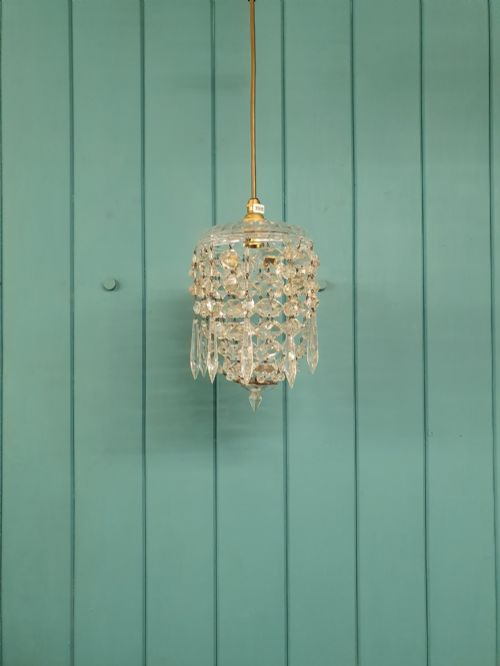
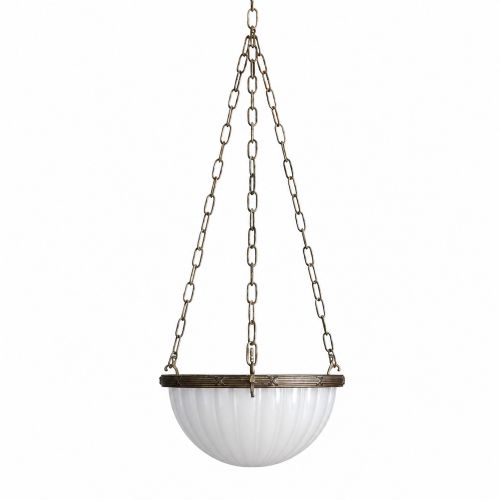
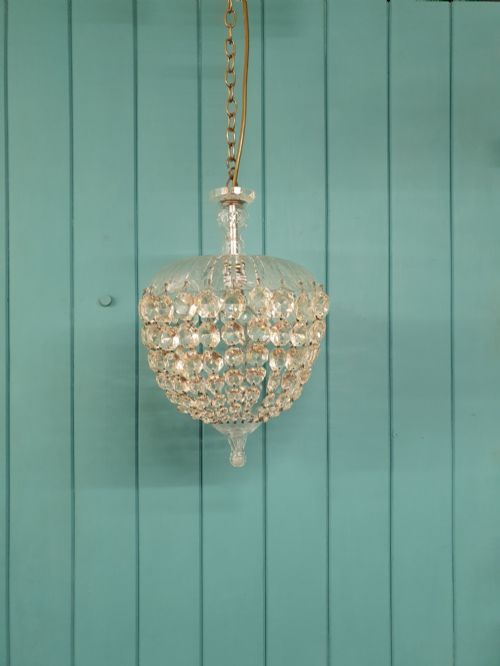


Antique Dome Pendant
These antique dome pendant lights and shades bring genuine period character to a room, offering warm light and distinct craftsmanship from past decades.
Antique Dome Pendant
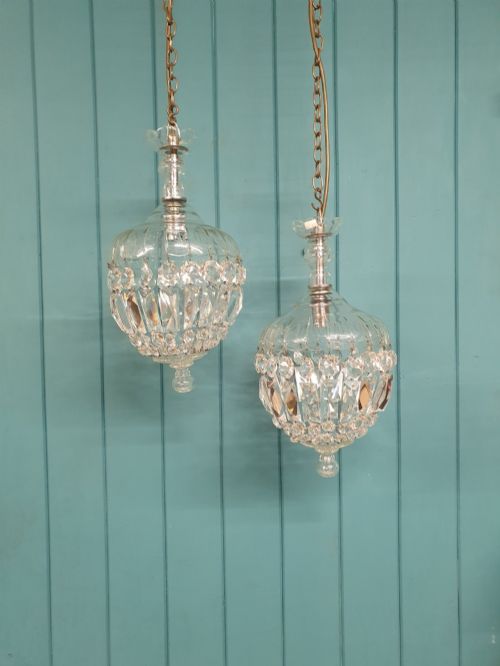
When you search for an antique dome pendant, you are looking at overhead ceiling fixtures and hanging shades shaped with rounded, hemispherical profiles. The selection on this page draws primarily from Edwardian, Art Deco, and Victorian periods, alongside industrial and mid-century examples.
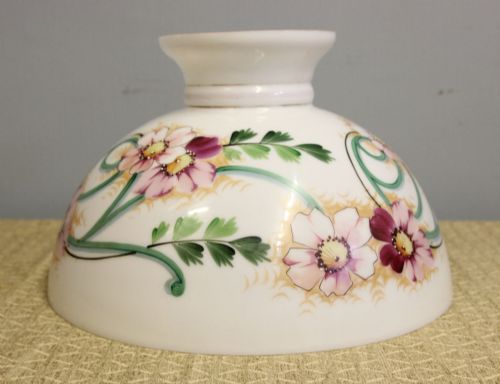
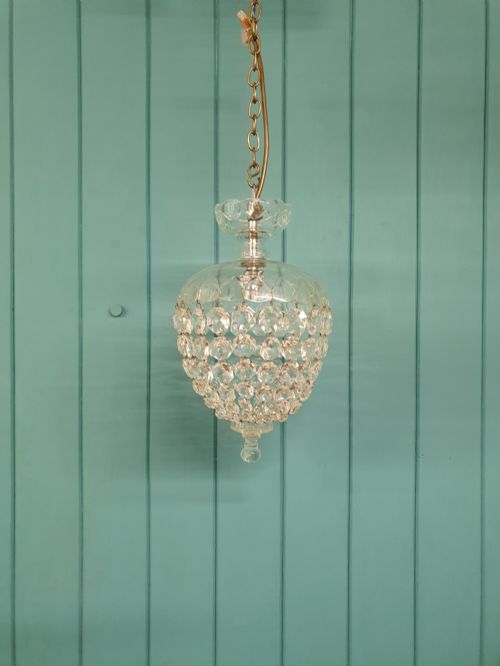
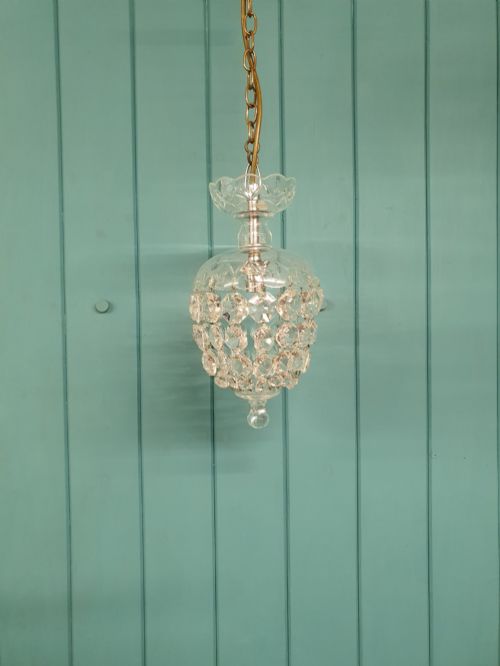
Most pieces you meet here take the form of ceiling lights, pendant lights, or replacement lamp shades made to house a single bulb or multiple lights. These range from cut glass crystal chandeliers and frosted opaline shades to robust copper, brass, and green enamel factory fittings.
While the majority of items are ceiling fixtures intended to illuminate a space from above, the grouping also includes small hanging oil lamp shades and even domed agate earrings matching the characteristic curved silhouette.
How they were made
Glassmakers shaped domed shades using blown techniques, often creating frosted, opaline, or heavily cut crystal finishes that diffused light gently. Etched patterns and painted details were frequently added by hand to enhance the visual depth of the glass.
Metal components relied on durable brass and copper construction, sometimes paired with industrial iron or steel for factory pendants and lanterns. These metals were spun, cast, or riveted together to form robust galleries and frames capable of supporting heavy glass domes.
Antique Dome Pendant Retail Price Guide 2026
Typical asking prices for dome pendant among the pieces listed under this phrase on Sellingantiques today, from the lower quarter to the upper quarter. They describe what is for sale here now, not the wider market.
Current listings feature items spanning the Victorian era through the 1940s, utilising brass, copper, crystal, frosted glass, and opaline glass.
What varies in quality
Quality rests in the weight and clarity of the glass, where deeply cut crystal or evenly blown opaline surfaces command greater attention than thinner, simpler panes. The crispness of the etchings and the purity of colour in tinted or painted shades further separate standard utilitarian items from finer examples.
Metalwork construction sets the structural tier, with solid brass castings and heavy copper frames demonstrating superior longevity compared to lighter plated alternatives. Finer fixtures retain well-finished galleries, intact original chains, and precise mechanical joints.
The Antique Dome Pendant Glossary
- Opaline glass
- A semi-opaque glass with a milky, porcelain-like appearance that diffuses light evenly without harsh glares. It became popular during the Victorian and Edwardian eras for lighting shades.
- Gallery
- The metal ring or collar at the top of a glass shade that holds the screws and connects the shade to the pendant fitter and hanging chain.
- Cut glass
- Glass decorated by grinding and polishing facets into the surface to catch and refract light. This technique defines many Edwardian and Art Deco crystal domes.
- Enamel
- A fused glassy coating applied to metal surfaces, such as steel or iron factory shades, providing a hard, wipe-clean coloured finish. Green and white industrial enamels are common in early twentieth-century lighting.
- Downlighter
- A pendant fixture designed to direct the majority of its illumination straight down towards a surface or workspace below, rather than casting light diffusely across the entire room.
Antique Dome Pendant: Frequently Asked Questions
How do I hang a heavy glass dome pendant?
Heavy glass and metal pendants require a secure ceiling joist or a heavy-duty ceiling hook capable of supporting the full weight of the fixture. It is wise to have a qualified electrician install a proper weight-bearing junction box.
The hanging height should be adjusted so the bottom of the dome sits comfortably above head height in open rooms, or lower over a dining table or kitchen island.
What bulb should I use in an antique pendant?
Most antique pendants take standard modern screw or bayonet bulb holders, depending on whether they originate from British or continental makers. Low-heat LED bulbs styled to look like old-fashioned filaments work best because they preserve the warm vintage glow without risking heat damage to original glass.
Clear bulbs suit cut crystal and etched shades by casting sharp shadows, while frosted or opaline shades benefit from pearl bulbs that prevent glaring hot spots.
How do I clean an antique glass dome?
Remove the shade from its metal gallery if possible, and wash it gently in warm, soapy water using a soft cloth. Avoid harsh chemical cleaners or abrasive scouring pads that can strip painted details or scratch delicate antique glass.
Dry the shade thoroughly with a lint-free cloth before reattaching it to the metal fitting and turning the power back on.
How can I tell an Edwardian dome from an Art Deco one?
Edwardian dome lights tend to feature softer, more ornate details such as cut crystal patterns, frilled rims, and polished brass fittings inspired by earlier Victorian tastes. They often lean towards romantic, domestic elegance.
Art Deco domes embrace geometric shapes, clean lines, stark metal contrasts like brass and copper, and simplified forms that reflect modern industrial design of the 1920s and 1930s.