

Antique Dog Jewellery
Antique dog jewellery encompasses watch chains, charm pendants, and brooches featuring the swivel clips and canine motifs characteristic of the Victorian and Edwardian eras.
Antique Dog Jewellery
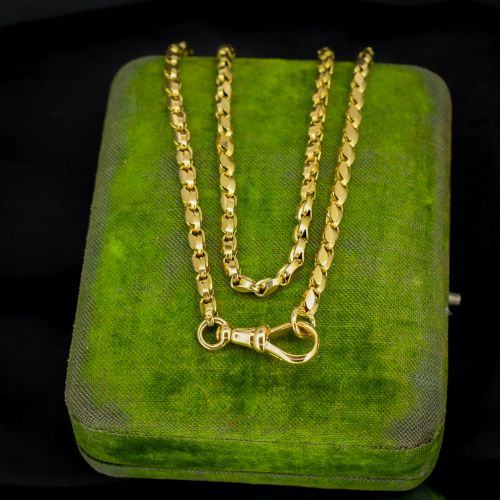
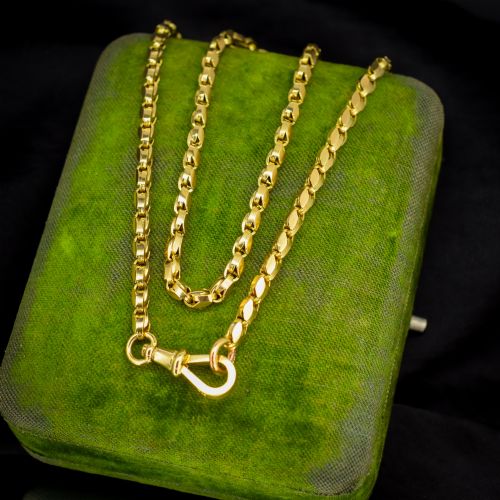
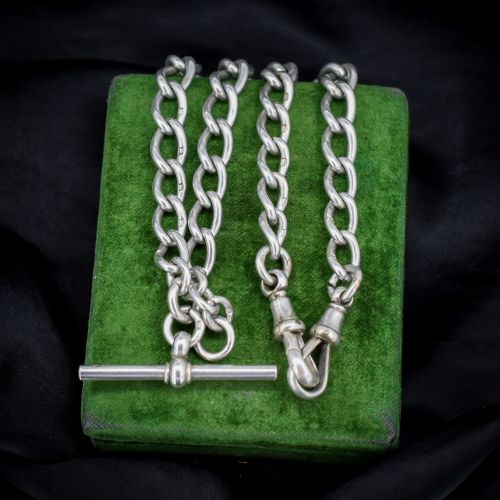
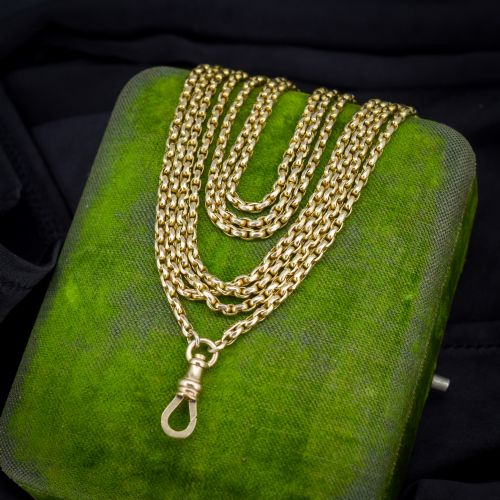
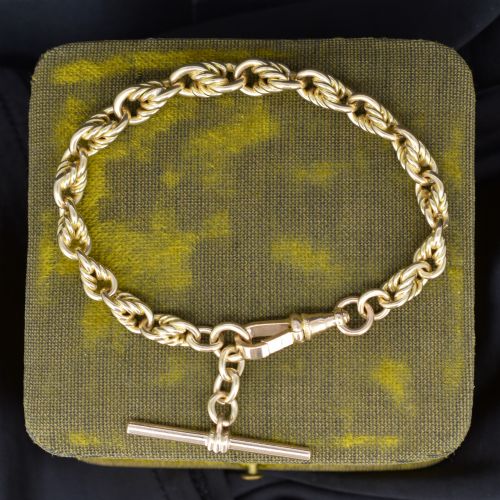
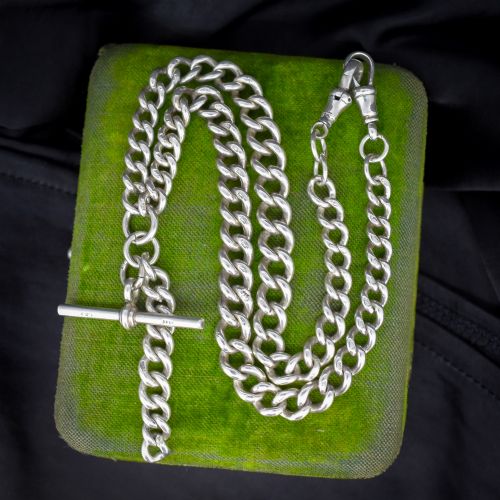
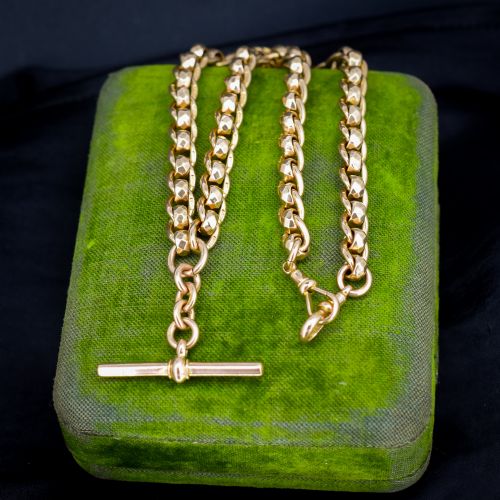
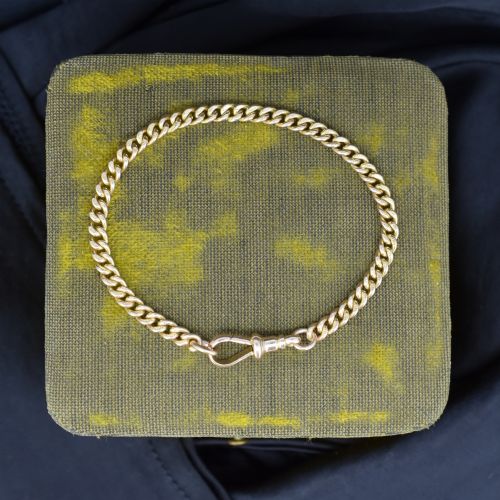
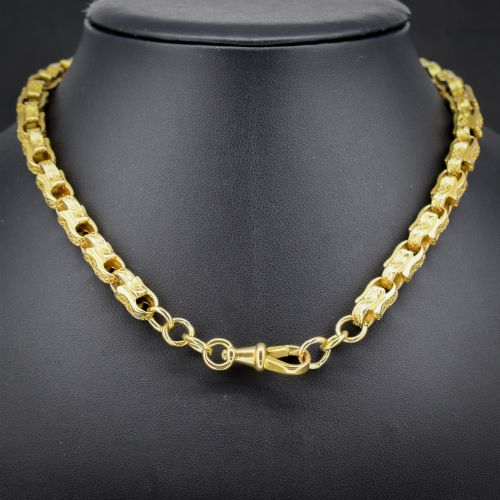
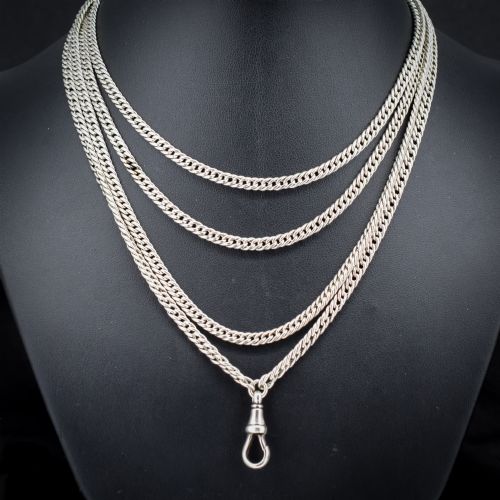
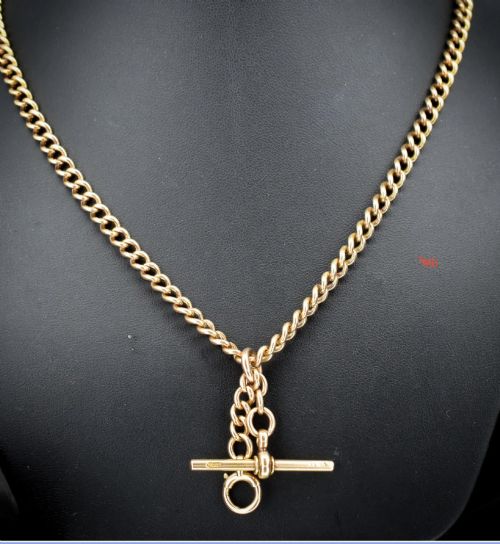
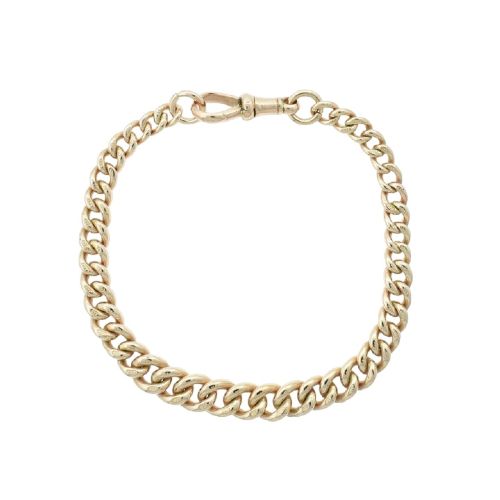
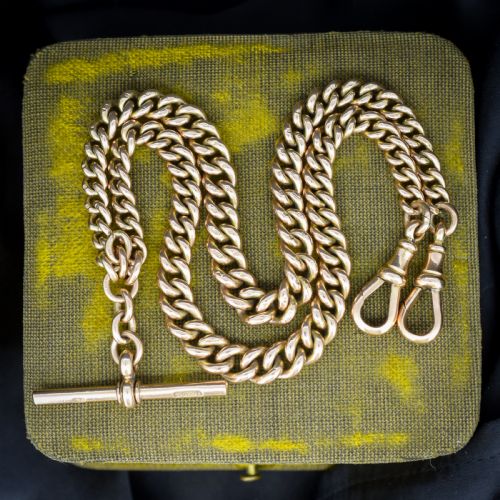
Antique dog jewellery primarily manifests as long guard chains, albert watch chains, and charm bracelets secured by functional swivel clasps known as dog clips. These pieces originate predominantly from the Victorian and Edwardian periods, extending into the 1920s.
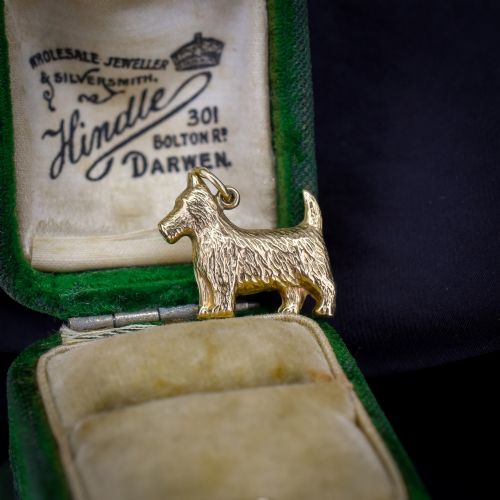
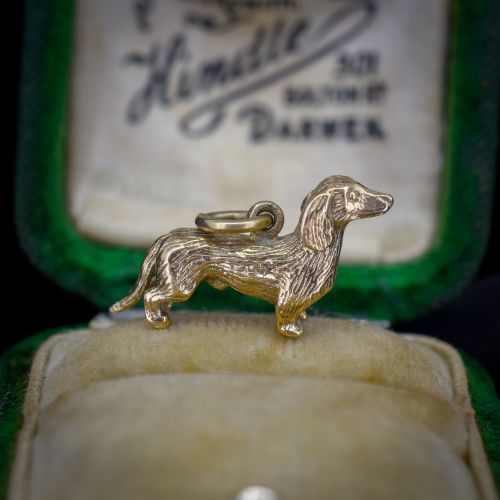
Buyers will most frequently encounter heavy gold and sterling silver curb or trombone link chains designed to hold pocket watches or lockets, alongside specific animal motifs like a silver spaniel brooch or a gold dog house charm.
Materials and Construction
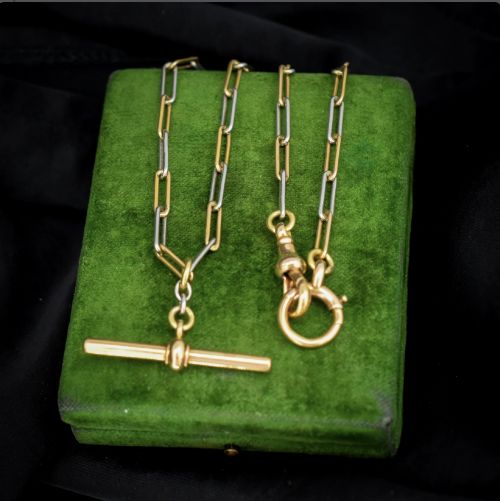
Goldsmiths utilised sterling silver and various carats of gold, including 9ct rose and yellow gold, 15ct gold, and 18ct gold combined with platinum. Links were individually formed, soldered, and assembled by hand into robust patterns such as belcher, fancy, and paper links.
Functional components like spring-loaded dog clips and T-bars were engineered for daily utility, securely attaching to pocket watches or waistcoats while maintaining decorative appeal through engraved surfaces.
Antique Dog Jewellery Retail Price Guide 2026
Typical asking prices for dog jewellery among the pieces listed under this phrase on Sellingantiques today, from the lower quarter to the upper quarter. They describe what is for sale here now, not the wider market.
Several pieces feature miniature canine guards ready to hold a pocket watch or lapel.
Craftsmanship and Weight
The standard of antique dog jewellery is dictated by metal weight, structural integrity, and the complexity of the link design. Solid gold and heavy silver examples with crisp hallmarks show superior original manufacture.
The internal spring mechanism of the dog clip and the tightness of link connections distinguish higher grade survivals from pieces worn thin by decades of friction.
The Antique Dog Jewellery Glossary
- Dog Clip
- A spring-loaded swivel clasp resembling a hound's leash clip, commonly found securing watch chains and bracelets.
- Albert Chain
- A pocket watch chain designed to pass across a waistcoat, named after Prince Albert and frequently fitted with dog clips.
- T-Bar
- A short horizontal bar attached to the centre of a watch chain, used to secure the chain through a buttonhole.
- Trombone Link
- An elongated hollow or solid metal link alternating with smaller circular links, popular in watch chains.
- Long Guard Chain
- An extra-long necklace, often measuring over fifty inches, designed to be worn doubled or tripled around the neck.
Antique Dog Jewellery: Frequently Asked Questions
What is an antique dog clip used for?
A dog clip acts as a secure swivel clasp designed originally to fasten pocket watches to albert chains or secure charms to bracelets. The spring-loaded tongue opens inwards to attach firmly to rings and loops.
Today, these clips allow owners to hang pendants or shorten long guard chains by clipping the fastener back onto the main link.
How do I wear an albert chain today?
Albert chains were traditionally worn across the front of a waistcoat with the T-bar slotted through a buttonhole and the watch secured in a pocket. Modern styling adapts these versatile pieces as wrap-around bracelets or statement necklaces.
The substantial weight of gold and silver curb links makes them striking when worn alone around the neck or wrist.
How can I tell a Victorian chain from a later period?
Victorian chains often display distinct hallmarking practices, specific link geometries like heavy hand-finished curb and paper links, and warm rose or yellow gold colourations. Comparing the construction style to dated pieces provides a reliable indicator of age.
Edwardian and later 1920s pieces frequently introduce platinum combinations, lighter fancy links, and alternative geometric patterns.
Are these chains solid gold?
The listings comprise solid precious metals including sterling silver, 9ct gold, 15ct gold, and 18ct gold rather than plated alternatives. Hallmarks stamped onto the metal indicate the exact purity standard used by the maker.
Heavier items list specific gram weights to reflect the substantial amount of solid precious metal utilised in their construction.