





Antique Display Sign
An antique display sign brings the character of past commerce into a room, offering tangible evidence of trades from centuries past.
Antique Display Sign
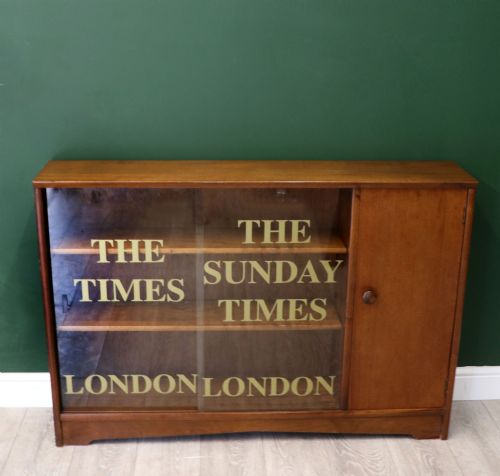
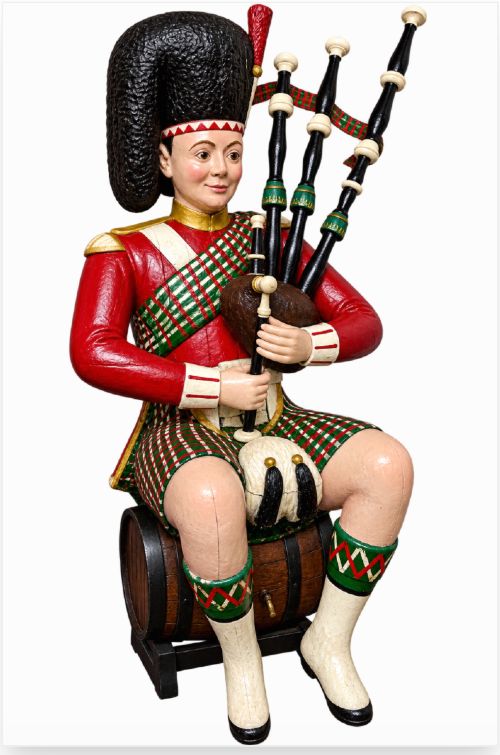
When you search for an antique display sign, you encounter objects created to promote goods, services, and establishments in earlier commercial spaces. These items encompass painted wooden trade signs, advertising figures, and specialised shop display models.
The pieces on this page span the Victorian and Edwardian eras through to the mid-twentieth century, showing influences from industrial workshops and folk art traditions. You are likely to meet painted wooden boards, metal notices, and composition figures that once stood in butchers, tobacconists, and hardware stores.
Materials and construction
Makers utilised durable materials suited to commercial environments, combining wood, wrought iron, glass, and enamel. Painted surfaces on timber boards or metal panels required skilled hand lettering and sign writing.
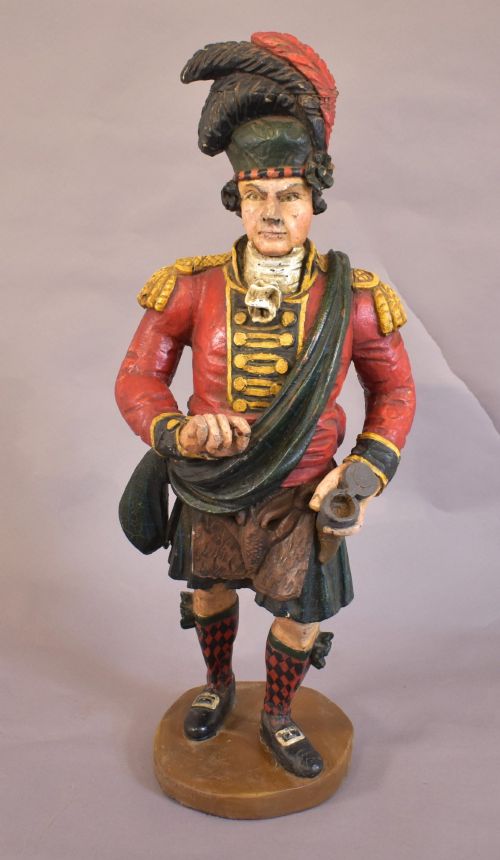
Figurative pieces often employed moulded composition, carved wood, or cast brass, finished with hand-applied paint and occasionally gold leaf details to catch the eye of the passing public.
Antique Display Sign Retail Price Guide 2026
Typical asking prices for display sign among the pieces listed under this phrase on Sellingantiques today, from the lower quarter to the upper quarter. They describe what is for sale here now, not the wider market.
Assessing quality and execution
Quality rests upon the crispness of the original sign writing and the skill evident in the carving or moulding of figures and display pieces. Superior items display deliberate proportions and confident brushwork rather than mechanical uniformity.
The integrity of the surface finish also defines the standard of the piece, where patinated original paint or genuine enamel retention holds greater visual and historical authority than unsympathetic overpainting.
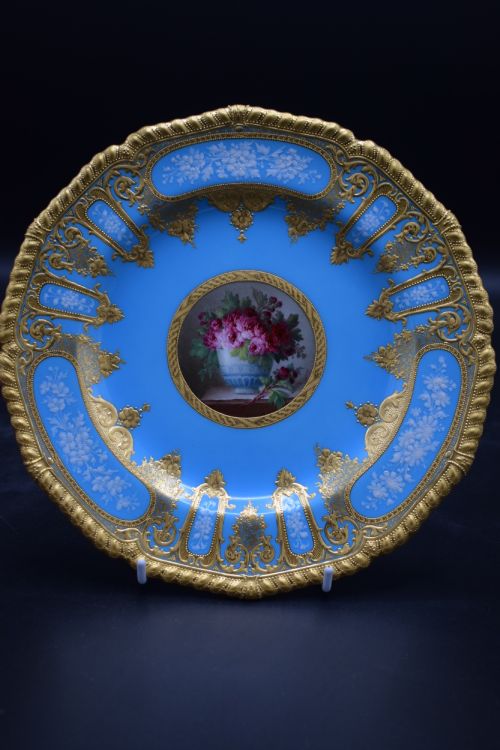
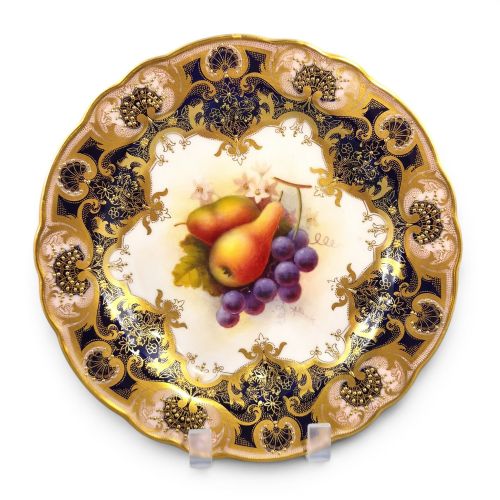
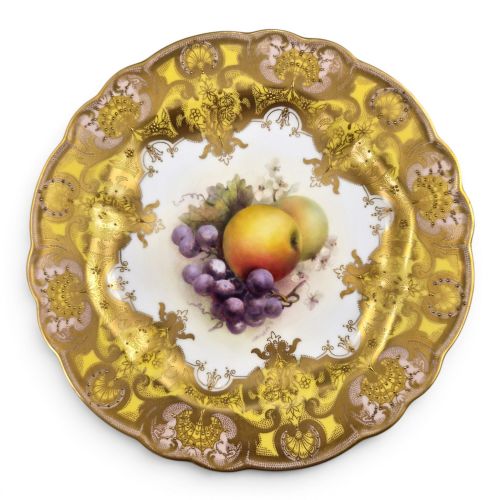
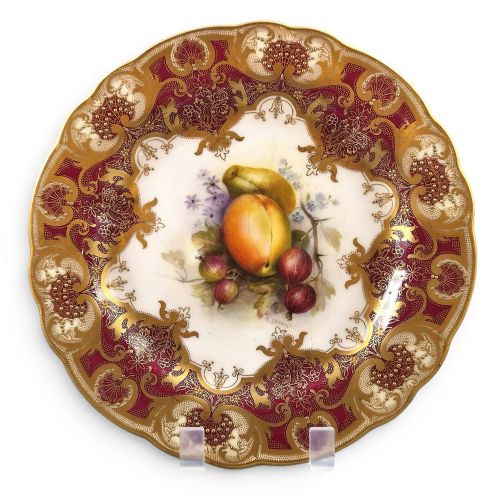
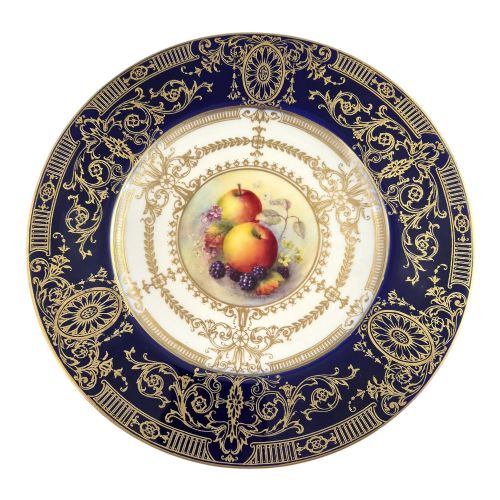
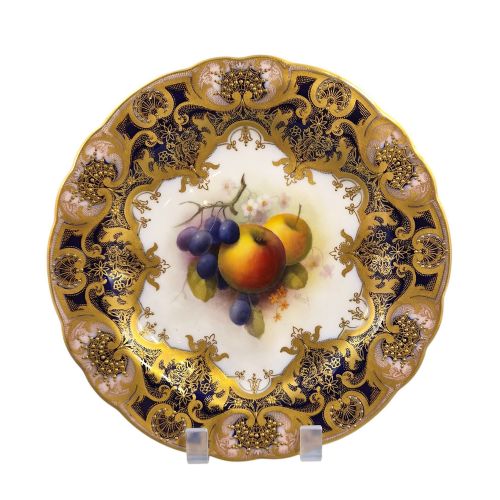
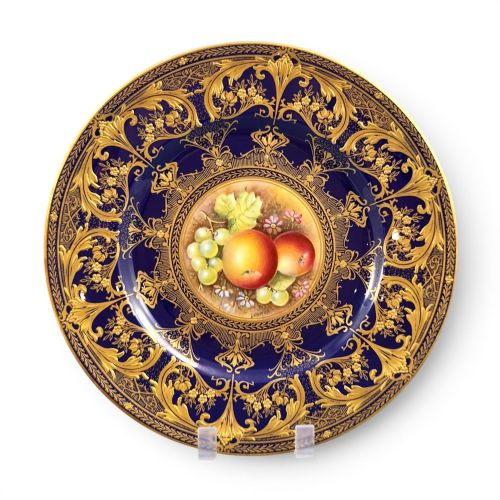
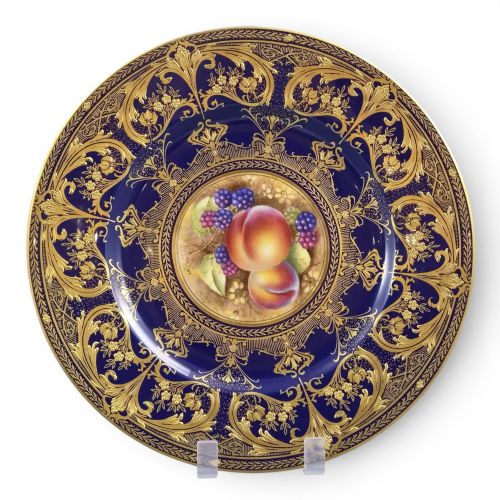
Gerwin & Co Birmingham·Royal Worcester·Josef Herzog
The Antique Display Sign Glossary
- Trade sign
- A board, figure, or object hung or placed outside a shop to advertise the trade carried on within. These items formed the visual language of the nineteenth and early twentieth century high street.
- Sign writing
- The craft of painting letters and designs by hand onto surfaces for commercial or decorative purposes. Master sign writers used specialist brushes to achieve clean edges and balanced layouts.
- Enamel
- A glassy substance fused to a metal substrate through firing, creating a durable and glossy surface. Enamel signs resisted weathering and retained vibrant colours over decades of outdoor exposure.
- Composition
- A moulded material made from mixtures of whiting, resin, glue, and other ingredients, pressed into shapes to form decorative figures or ornaments. It offered a cost-effective alternative to hand-carved wood.
Antique Display Sign: Frequently Asked Questions
What is an antique display sign?
An antique display sign is a piece produced for commercial advertising in shops, markets, and streets during past centuries. These objects include painted wooden boards, metal notices, and sculptural figures.
They served to identify tradesmen and draw customers into establishments before modern plastic signage became common.
Where were trade signs displayed?
Trade signs were mounted on exterior brickwork, hung above shop entrances, or positioned inside windows and counters. Figures and models often stood directly on the pavement or near the threshold.
Interior examples utilised walls, display cabinets, and counters to highlight specific wares.
How do I date a painted sign?
Dating relies on typography styles, material composition, and the specific trade or business named on the piece. Victorian and Edwardian lettering often shows distinct hand-painted serifs and shading.
Physical indicators such as the type of wood, fixings, and layering of old paint help establish the period of manufacture.
How should I care for old painted surfaces?
Old painted surfaces require gentle cleaning with a dry or barely damp cloth to remove dust without disturbing the pigment. Avoid harsh chemical cleaners or abrasive scouring pads.
Keeping the piece away from direct sunlight and excessive moisture preserves the original paint and prevents the underlying wood or metal from degrading.