



Antique Display Sculpture
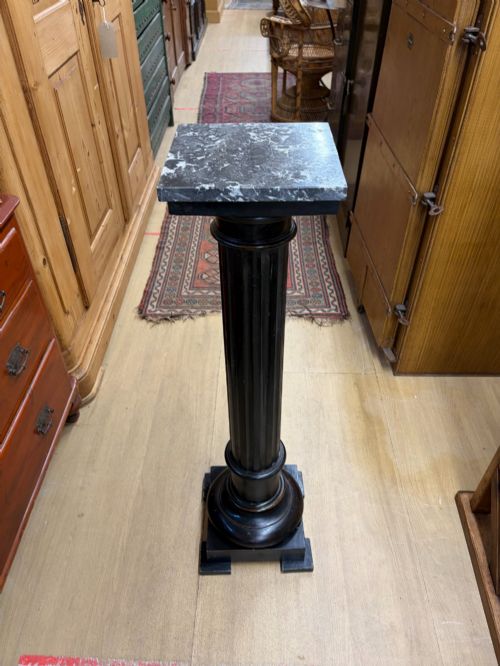
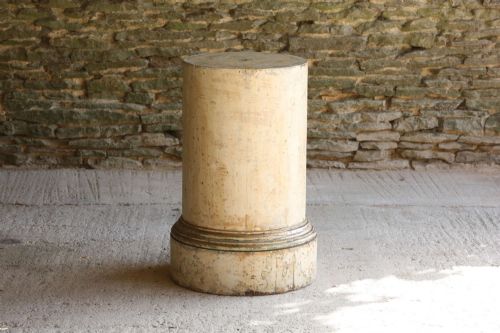
These antique display sculpture pieces encompass carved pedestals, marble columns and figural works designed to elevate and present objects with presence in a room.
Antique Display Sculpture
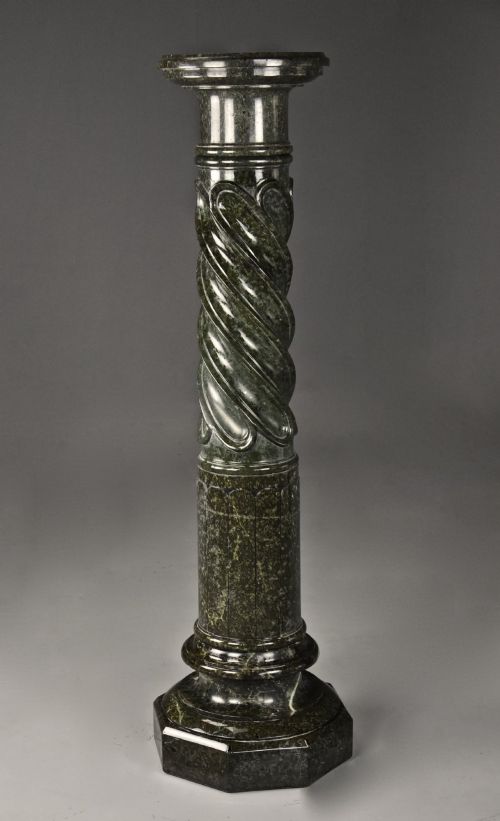
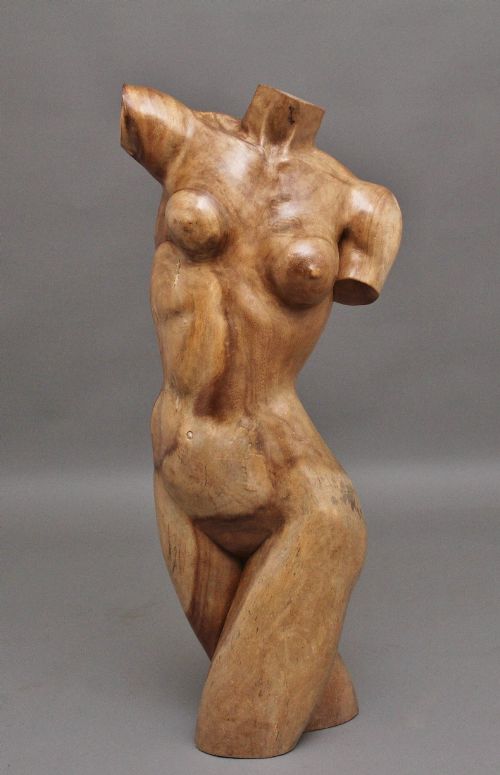
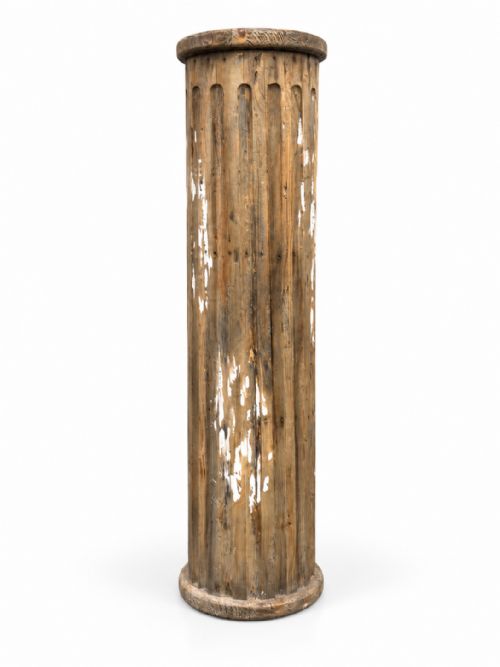
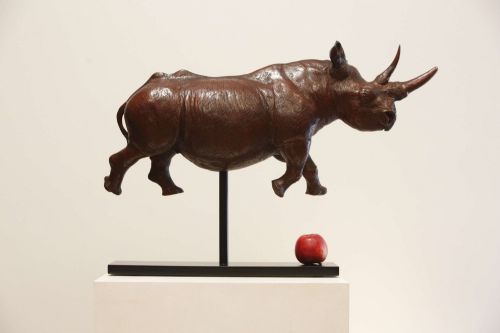
When you search for antique display sculpture, you encounter a diverse group of objects centred primarily on pedestals, columns, plinths and decorative figures rather than standalone statues alone. The items span the eighteenth, nineteenth and early twentieth centuries, reflecting tastes from Victorian and Edwardian periods through to Neoclassical and Classical revivals. You will frequently find architectural supports like wooden and marble columns sitting alongside figural sculptures, trade signs and busts.
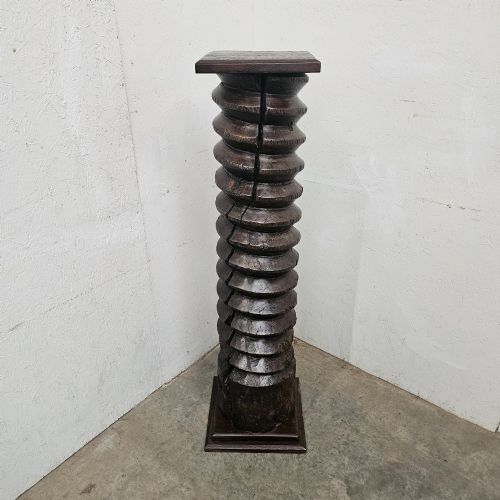
The selection ranges from Italian walnut and oak pedestals to French inlaid columns and solid mahogany plinths intended for holding urns, vases and busts. Alongside architectural columns, the category embraces items with practical origins repurposed for display, including sculptors' stands, wine press screws and painted trade signs. These pieces originate from workshops across Britain, France, Italy, Sweden and America, bringing varied regional aesthetics into a single collection of display furniture and sculpture.
Materials and construction methods
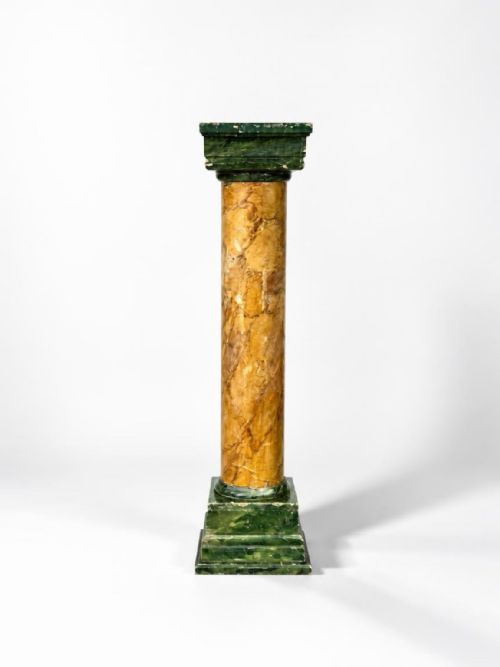
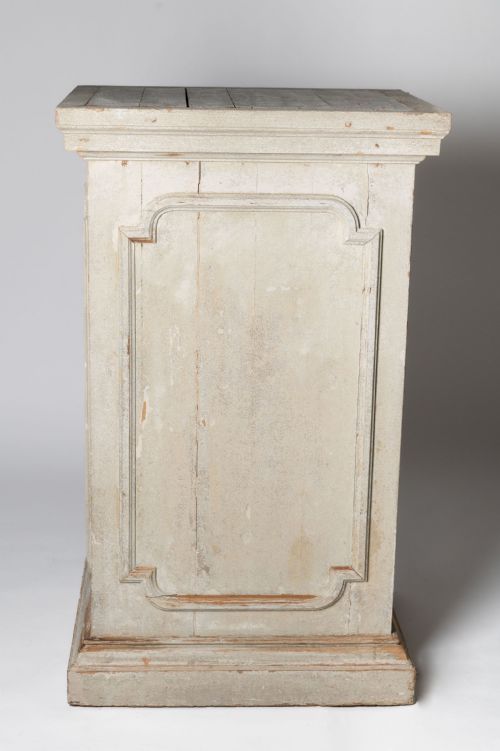
Wood serves as a primary medium, utilising timbers such as mahogany, walnut, oak, birch, pine and ebonised wood shaped through turning, carving and joining. Cabinet makers and carvers employed traditional techniques to construct robust columns, triform pedestals and tripod bases capable of supporting heavy items. Surfaces often received paint finishes, faux marble effects, inlay or gilded details to enhance their visual weight.
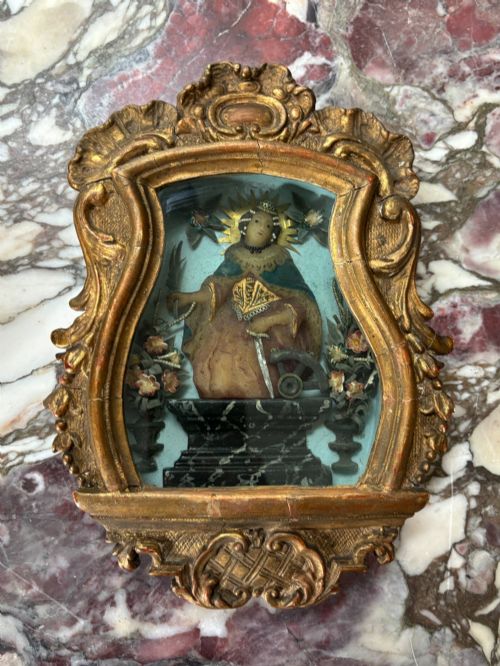
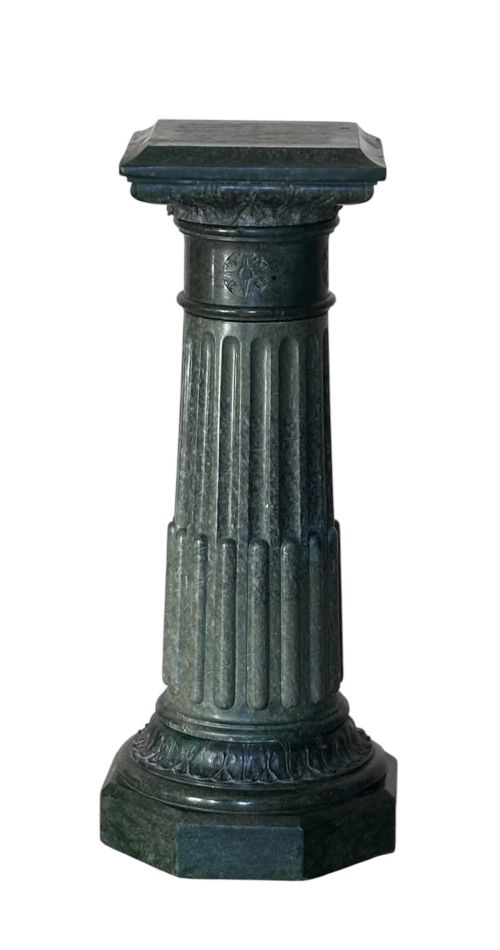
Stone and marble form the other dominant material group, featuring varieties like Portasanta, Rosso Antico, Bardiglio, Carrara and onyx combined with ormolu collars. Masons and sculptors carved these stones into monolithic obelisks, classical columns and statuary pedestals requiring precise handling due to the weight of the material. Additional elements incorporate wax, bronze, painted metal and silk, depending on whether the piece functions as a structural column or a figural sculpture.
Antique Display Sculpture Retail Price Guide 2026
Typical asking prices for display sculpture among the pieces listed under this phrase on Sellingantiques today, from the lower quarter to the upper quarter. They describe what is for sale here now, not the wider market.
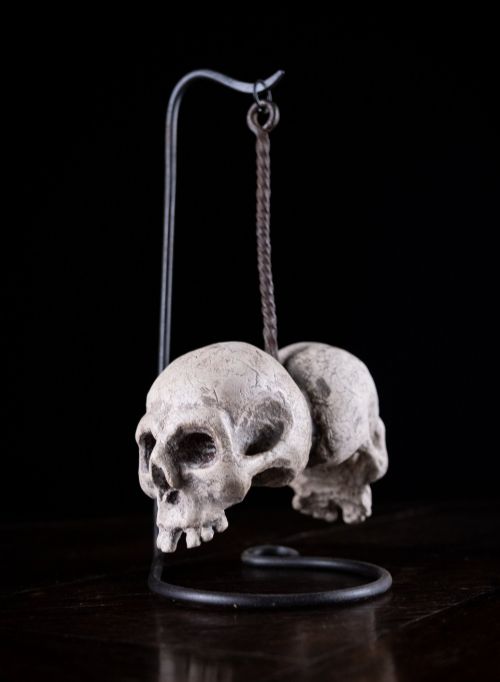
A Scottish walnut bust of a boy keeps company with carved skulls of the damned, a butcher's shop cow trolley and an Indian spinning wheel.
Distinctions in craftsmanship and materials
Quality rests heavily on the selection of raw materials and the precision of the carving or turning work. Solid hardwoods and fine marbles with rich natural veining distinguish superior architectural columns from simpler pine or faux-painted alternatives. The sharpness of carved details, such as acanthus leaves on a capital or the symmetry of a turned Solomonic twist, reveals the hand of a skilled maker.
Proportion and structural integrity define the upper tier of display pieces. A well-balanced pedestal distributes weight evenly across its base, whether tripod or triform, ensuring stability without appearing cumbersome. Finer examples display meticulous joinery, coherent stylistic revivals and harmonious combinations of contrasting materials like marble and ormolu.
George Henry Paulin RBS·Victor Peter
The Antique Display Sculpture Glossary
- Pedestal
- An architectural support or stand used to elevate a sculpture, vase or bust. These structures often feature columns, plinths or stepped bases.
- Solomonic
- A column characterised by a helical twist or spiral shaft, originating in classical architecture and revived in later furniture and display pieces.
- Ormolu
- Gilded bronze used for decorative mounts, collars and highlights on marble columns and pedestals.
- Plinth
- A heavy flat-topped base serving as the bottom support for a statue, column or urn stand.
- Trade sign
- A large carved or painted object, such as a figure or animal, originally utilised outside a shop to advertise a specific trade.
Antique Display Sculpture: Frequently Asked Questions
What is an antique pedestal used for?
These pieces function primarily as architectural supports to elevate sculptures, decorative urns, vases and busts within an interior space. They lift objects to eye level, allowing detailed carvings and materials to be appreciated from a distance.
Historically, they formed part of formal room layouts in grand houses and studios, acting as stages for prized possessions. Today, they serve a similar purpose in domestic settings, providing both structural elevation and a strong decorative focal point.
How do I distinguish marble columns from faux marble?
Genuine marble columns feature natural stone weight, cold surfaces and authentic mineral veining that runs deep into the material. Examining the base or underside often reveals the solid stone composition rather than a prepared surface.
Faux marble pieces utilise wood or plaster bases coated with specialised paint techniques to mimic stone graining. These surfaces feel lighter and warmer to the touch, often showing brushwork or craquelure upon close inspection.
What distinguishes Victorian pedestals from earlier styles?
Victorian pedestals often embrace eclectic revivals such as Renaissance Revival, Neoclassical and Folk Art, incorporating ebonised wood, elaborate turning and painted finishes. These nineteenth-century pieces reflect a period of diverse stylistic experimentation.
Earlier eighteenth-century examples tend toward more restrained classical proportions, featuring hand-carved oak or walnut with simpler geometric or spiral forms like the Solomonic twist.