





Antique Display Head
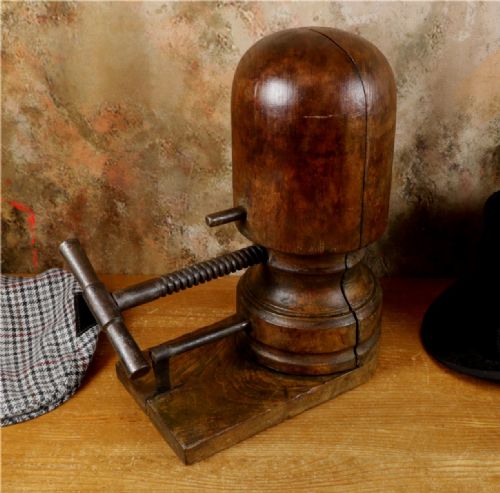
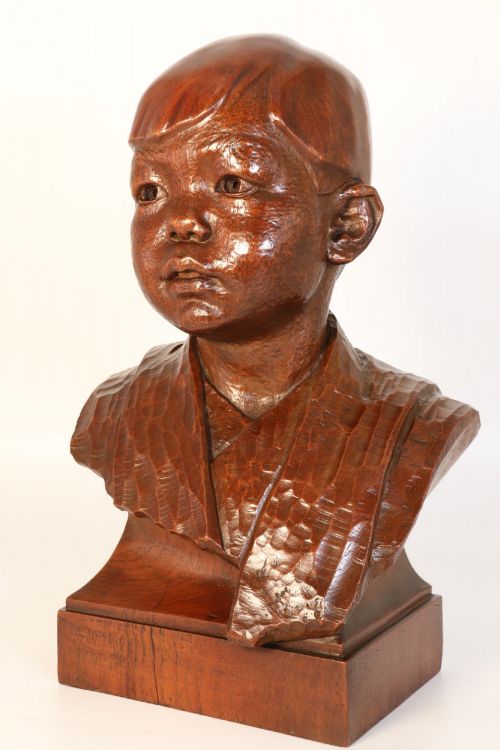
An antique display head brings striking presence to a room, serving as a sculptural millinery form or carved wooden character bust.
Antique Display Head
When you search for an antique display head, you encounter functional workshop equipment and sculptural counter-top figures from the nineteenth and early twentieth centuries.
The versions you meet most often on this page include turned wooden millinery forms, hat stretchers, and carved wooden character heads originating from English, French, and German workshops.
These items span periods from the mid-nineteenth century through the Edwardian era and the Art Deco years of the 1930s, reflecting the practical needs of hatters, wigmakers, and shopkeepers.
How they were made
Makers shaped these pieces primarily from solid hardwoods such as beech, fruitwood, and walnut, frequently utilising lathe-turning for hat blocks and sizers.
Later twentieth-century examples incorporate composite materials and early plastics suited to shop counter displays, while maintaining traditional forms.
Antique Display Head Retail Price Guide 2026
Typical asking prices for display head among the pieces listed under this phrase on Sellingantiques today, from the lower quarter to the upper quarter. They describe what is for sale here now, not the wider market.
What varies in quality
Quality rests in the fidelity of the carving and the integrity of the original surface, distinguishing utilitarian workshop tools from fine sculptural busts.
An unmarked folk art piece relies entirely on expressive proportion and toolwork, whereas signed or attributed sculptural busts demonstrate academic mastery in the handling of grain and form.
The survival of original paint, polish, or surface wear dictates the visual impact of each piece, marking the distinction between a sterile reproduction and a genuine survivor.
The Antique Display Head Glossary
- Milliner's hat sizer
- A wooden device used by hat makers to measure and stretch caps and crowns to precise sizes. These often double as sculptural display heads.
- Hat block
- A solid wooden form turned on a lathe over which wet felt or straw was shaped into millinery. They show utilitarian construction marks.
- Character head
- A carved sculptural representation exhibiting distinct facial expressions and individual personality rather than a generic profile. They originate from folk art and religious contexts.
- Polychrome
- Painted in several colours, often found on wooden carvings of saints or figures to simulate life-like skin tones and garments.
- Beech
- A dense, pale hardwood commonly utilised for turned hat blocks and utilitarian shop fixtures due to its resistance to splitting.
Antique Display Head: Frequently Asked Questions
What is an antique display head?
An antique display head is a vintage object originally utilised in millinery workshops, wig shops, or retail counters for shaping and exhibiting hats and headwear. These pieces range from functional turned wooden hat blocks to expressive carved wooden character busts.
Today, collectors value them as sculptural objects of art that bring character and history to interior spaces. They sit easily on bookshelves, desks, or mantelpieces as focal points.
How were display heads used originally?
Milliners and hatters used wooden forms and hat sizers to stretch, store, and display finished hats in retail shops and workshops. Counter-top mannequins similarly served to showcase fashion accessories to prospective buyers.
In domestic settings of the past, similar forms occasionally held wigs or caps overnight to maintain their shape. Their primary function was entirely practical before becoming decorative collectables.
How do I date an antique display head?
Dating relies on identifying the timber species, tool marks, construction methods, and stylistic cues associated with periods like the Victorian era or Art Deco. Turned beech blocks often bear the simple utility marks of nineteenth-century workshops, whilst 1930s shop mannequins utilise distinct modern materials.
Comparing the base, fixings, and any remnants of paint or maker stamps helps narrow the decade of production. Wear patterns from actual workshop use also provide reliable indicators of age.
How do I style a display head at home?
Display heads work best placed singly or in pairs on flat surfaces where their sculptural profile can be appreciated from multiple angles. You can leave them bare to highlight the carved grain or wooden patina, or use them to display vintage hats, scarves, and spectacles.
Keep them away from direct heat sources and strong sunlight to protect the aged wood, paint, or polish from drying out or fading. Simple dusting with a dry cloth is sufficient for ongoing care.